Designing a Dream Bedroom for Your Child: From Chaos to Comfort
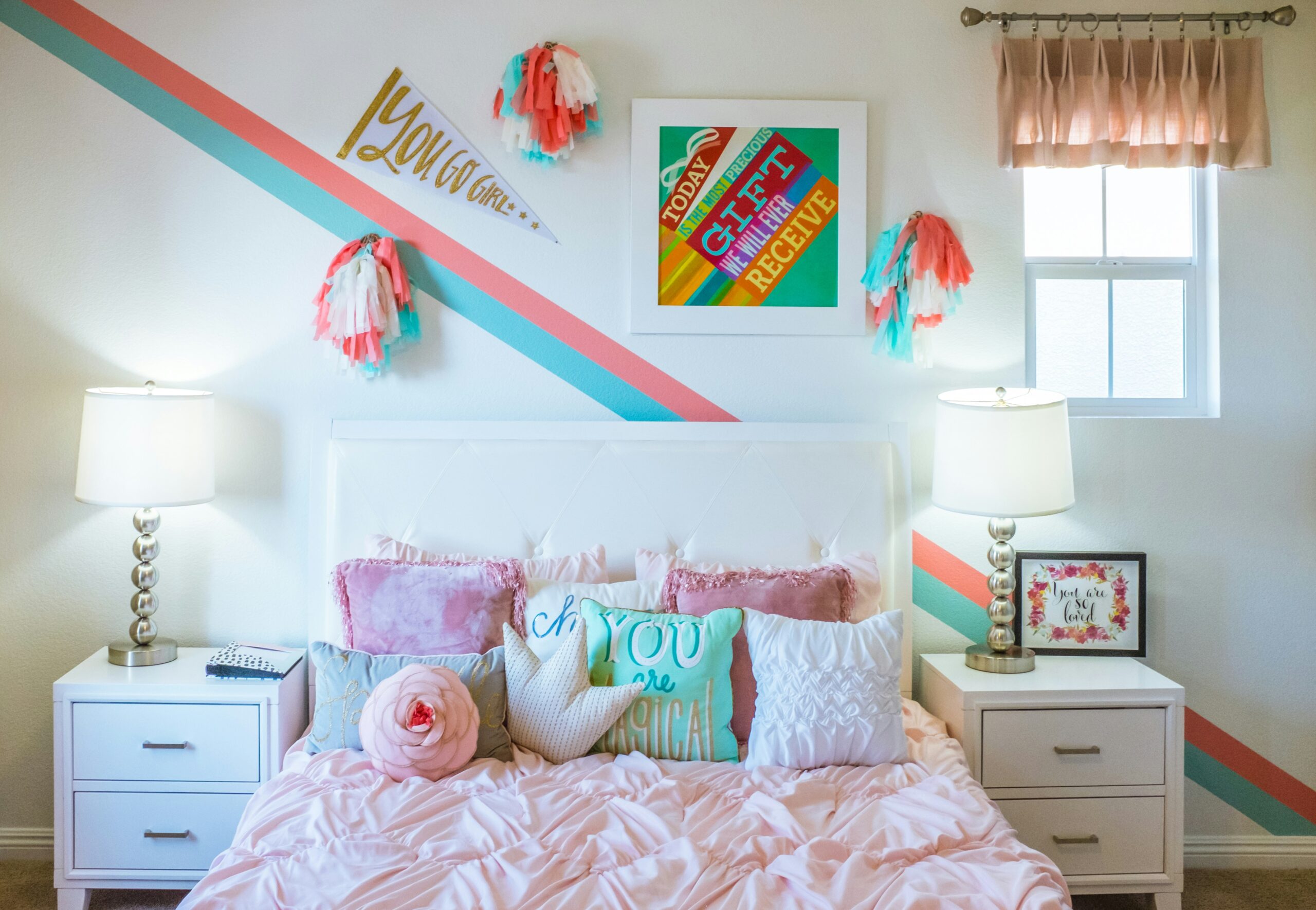 Designing a child’s bedroom so that it is both fun and calming can be a real challenge at times. With British homes notoriously lacking space and modern family life increasingly shaped by things such as hybrid working and busy schedules, your kids’ bedroom often needs to work harder than ever and have multiple purposes.
Their rooms should be a safe space where they can sleep, play, learn, and relax in. The key is to create a multifunctional space that supports your child’s development, whilst also reducing clutter and bedtime battles.
A Sleep-Friendly Environment
Quality sleep plays a vital role in children’s health and mood. The NHS recommends that children’s bedrooms should be quiet, dark, and free from distractions, particularly screens. Simple design choices can make a real difference. Things, including blackout blinds,help block out streetlights and early-morning sunlight, which in turn can help support better sleep patterns year-round. Soft, calming colours such as muted blues or warm neutrals can also help create a restful atmosphere.
Reducing visual clutter around the bed is just as important. Keeping toys and electronics away from the sleeping area helps signal that the bed is for rest, not play. A tidy, peaceful sleep zone can improve sleep quality and bedtime routines.
Clever Storage Solutions for Growing Kids
Clutter is one of the biggest contributors to chaos in a child’s bedroom. Overflowing toys and school supplies can quickly overwhelm both children and parents. Smart storage solutions help keep everything organised and out of sight, making the room more straightforward to manage and more relaxing.
Options such as under-bed drawers, toy chests, and wall shelving are practical for everyday use. For a long-term solution, fitted wardrobe storage can be particularly effective, offering tailored compartments for clothes, games, PE kits, and hobbies while maximisingevery inch of available space. Well-designed storage makes tidying up easier for children, too, encouraging independence and responsibility.
Design That Adapts as They Grow
Children’s tastes change quickly – so future-proofing their bedroom is a smart move. Rather than committing to one single theme, opt for neutral wall colours and timeless furniture that can evolve. Decorative elements such as cushions, bedding, artwork, and lamps are easy to swap out as interests shift from dinosaurs to sports, or from princesses to pop stars.
Taking an adaptable approach saves money and reduces waste, while ensuring the room remains personal and age-appropriate as your child grows.
Create Zones for Sleep, Play & Study
In many UK homes, a child’s bedroom must serve multiple purposes. Creating defined zones can add structure and helps each activity feel more manageable. A cosy sleep area should remain calm and uncluttered, while a designated play space can accommodate creativity and movement. As children get older, a separate study zone with a desk that features good lighting and storage for schoolwork supports focus and good habits.
Rugs and thoughtful furniture placement can subtly divide the room without walls. Clear zones help children switch between activities more easily, turning a once chaotic space into a comfortable, organised retreat.