Exploring Famous Ocean Paintings: Art’s Depths Unveiled
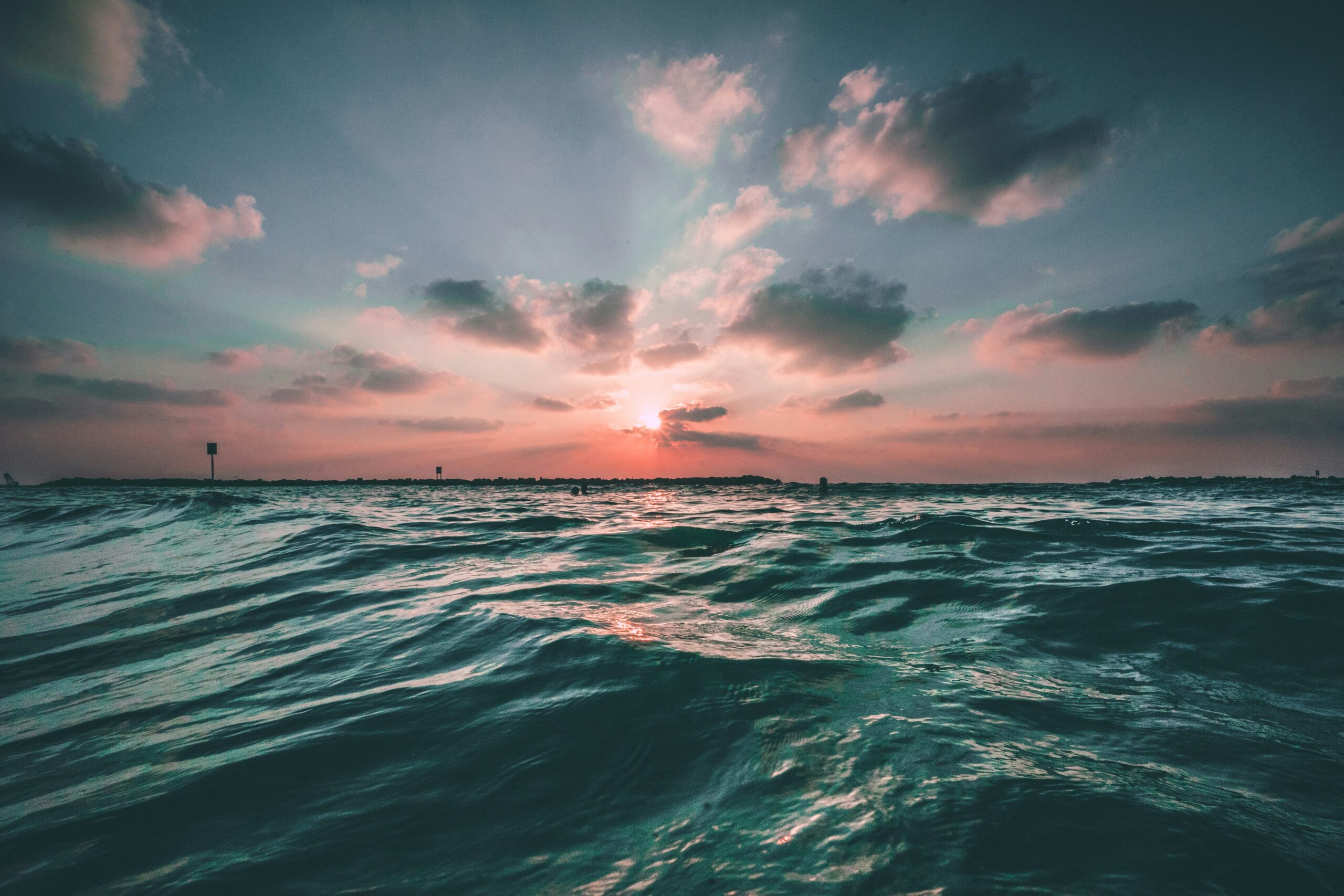 The ocean has been a source of inspiration for artists throughout history, captivating the imagination with its vastness, mystery, and ever-changing moods. From the serene to the tumultuous, ocean paintings have allowed artists to explore a range of themes, emotions, and narratives. In this article, we embark on a journey through some of the most famous ocean paintings, each offering a unique window into the relationship between humanity and the sea.
- “The Great Wave off Kanagawa” by Katsushika Hokusai
Perhaps one of the most recognizable images of the ocean, Hokusai’s “The Great Wave off Kanagawa” is a stunning representation of the power and unpredictability of the sea. Part of his “Thirty-six Views of Mount Fuji” series, this woodblock print captures a monstrous wave about to crash over boats with Mount Fuji serenely in the background, symbolizing the smallness of humans against nature’s might.
- “The Fighting Temeraire” by J.M.W. Turner
J.M.W. Turner’s “The Fighting Temeraire” tugs at the strings of nostalgia and change, depicting the last journey of a once-glorious warship being towed to its final resting place. Turner’s use of light and color dramatizes the sunset of an era, with the industrial tugboat signifying the new age, contrasting with the romantic grandeur of the ocean and the fading glory of the Temeraire.
- “Impression, Sunrise” by Claude Monet
While not solely focused on the ocean, Monet’s “Impression, Sunrise” merits inclusion for its revolutionary portrayal of the harbor at Le Havre. The painting, from which Impressionism takes its name, captures the ethereal quality of the morning light over the water, blending the sea and sky into a mist of color that suggests the fluidity and impermanence of nature.
- “The Gulf Stream” by Winslow Homer
Winslow Homer’s “The Gulf Stream” is a stark portrayal of human vulnerability amidst the forces of nature. It shows a lone African-American man adrift in a damaged boat, surrounded by sharks and an impending storm. Yet, there’s a glint of hope with a distant ship on the horizon, making the painting a complex narrative of despair and survival.
- “Wave” by Ivan Aivazovsky
Ivan Aivazovsky’s mastery in depicting the sea is unparalleled, and “Wave” is a testament to his skill. The painting captures the sheer power and beauty of a wave in motion, with the play of light through the water creating a mesmerizing effect that almost invites the viewer to feel the spray and hear the roar of the sea.
- “Moonlit Shipwreck at Sea” by Joseph Mallord William Turner
Another masterpiece by Turner, “Moonlit Shipwreck at Sea,” illustrates his fascination with the sublime and the tempestuous nature of the ocean. The moonlight breaking through the clouds to illuminate the wreckage creates a haunting atmosphere, evoking the sublime power of nature and the fragility of human endeavors.
- “Water Lilies and Japanese Bridge” by Claude Monet
Monet’s “Water Lilies and Japanese Bridge” represents a tranquil and meditative view of water, contrasting sharply with the more tumultuous depictions of the sea. Through his garden at Giverny, Monet explored the reflective and serene qualities of water, inviting viewers into a peaceful world where nature and artifice harmoniously blend.
- “The Shipwreck” by Théodore Géricault
Focusing on the drama of human survival against the odds, Théodore Géricault’s “The Shipwreck” depicts a moment of despair and hope as shipwreck survivors spot a distant ship. The tumultuous sea and stormy skies serve as a powerful backdrop to the human drama, emphasizing the themes of despair, endurance, and the will to survive.
- “Seascape near Les Saintes-Maries-de-la-Mer” by Vincent van Gogh
Vincent van Gogh’s foray into the depiction of the sea resulted in “Seascape near Les Saintes-Maries-de-la-Mer,” a vibrant and dynamic painting that captures the movement and color of the Mediterranean. Van Gogh’s distinctive brushstrokes imbue the scene with energy and emotion, reflecting his profound connection to nature.
- “Among the Waves” by Ivan Aivazovsky
Returning to Aivazovsky, “Among the Waves” plunges the viewer into the heart of the ocean’s power. The painting is a vivid portrayal of light and movement, with the sun’s rays penetrating the depths to reveal the majesty and mystery of the underwater world.
- “The Birth of Venus” by Sandro Botticelli
Though not an ocean scene in the traditional sense, Botticelli’s “The Birth of Venus” deserves mention for its iconic depiction of the goddess Venus emerging from the sea. The painting symbolizes beauty and love born from the foam of the ocean, highlighting the sea’s role in myth and creation.
- “View of the Sea at Scheveningen” by Vincent van Gogh
This early work by Van Gogh captures a raw, stormy day at the beach in Scheveningen. The thick impasto and dynamic brushwork convey the wind’s force and the sea’s churn, transporting the viewer to the cold, blustery shore.
- “The Ninth Wave” by Ivan Aivazovsky
In “The Ninth Wave,” Aivazovsky reaches the pinnacle of his exploration of the sea’s beauty and terror. The painting shows survivors clinging to wreckage after a storm, with the first light of dawn suggesting hope and renewal. The sea, both adversary and savior, is rendered with a luminosity that underscores its central role in human fate.
- “The Sea at Les Saintes-Maries-de-la-Mer” by Vincent van Gogh
Another of Van Gogh’s sea studies, this painting captures the Mediterranean’s blue tones and the vitality of the seaside village. His use of line and color creates a sense of movement and light that reflects the sun-drenched landscape.
- “The Slave Ship” by J.M.W. Turner
Turner’s “The Slave Ship” is a powerful and controversial depiction of the sea’s cruelty, showing a ship leaving behind enslaved people to drown in a storm. The painting’s dramatic use of color and light serves as a metaphor for human suffering and the moral storm surrounding the slave trade.
- “Oceans of Time” by Frederic Edwin Church
Though not as well-known as some of the other artists mentioned, Church’s “Oceans of Time” captures the eternal and timeless aspect of the sea. The painting invites reflection on the vastness of the ocean and its significance across ages, serving as a bridge between the temporal and the eternal.
- “Storm on the Sea of Galilee” by Rembrandt
Rembrandt’s only seascape, “Storm on the Sea of Galilee,” depicts a dramatic moment from the New Testament, where Jesus calms a storm. The play of light and shadow captures the tempest’s chaos and the disciples’ fear, highlighting Rembrandt’s skill in portraying human emotion and divine intervention.
- “Pacific Ocean” by Hiroshi Yoshida
Yoshida’s “Pacific Ocean” brings a different perspective, focusing on the vast, peaceful expanse of the sea. His work, part of the shin-hanga movement, blends traditional Japanese woodblock techniques with Western realism, offering a meditative view of the ocean’s calm and grandeur.
- “Cliffs of Green River” by Thomas Moran
While not strictly an ocean painting, Moran’s depiction of the Green River’s cliffs highlights the water’s sculptural power over the landscape. The painting reflects the awe-inspiring beauty of the natural world, where water plays a central role in shaping the earth.
- “The Mediterranean Sea” by André Derain
André Derain’s “Mediterranean Sea” captures the luminous colors and light of the French Riviera. His Fauvist approach, with bold colors and simplified forms, conveys the vibrancy and warmth of the coastal landscape, celebrating the joy and beauty of the sea.
Through these masterpieces, we see the ocean’s many faces: as a source of inspiration, a force of nature, a site of human drama, and a symbol of the sublime. Each painting invites us to reflect on our own relationship with the sea, reminding us of its beauty, power, and mystery. As we conclude our journey through these famous ocean paintings, we are left with a deeper appreciation for the sea’s role in art and human consciousness, a reminder of the endless fascination that the ocean holds for artists and viewers alike.