5 Ways to Help Children Build Confidence Outside of the Classroom
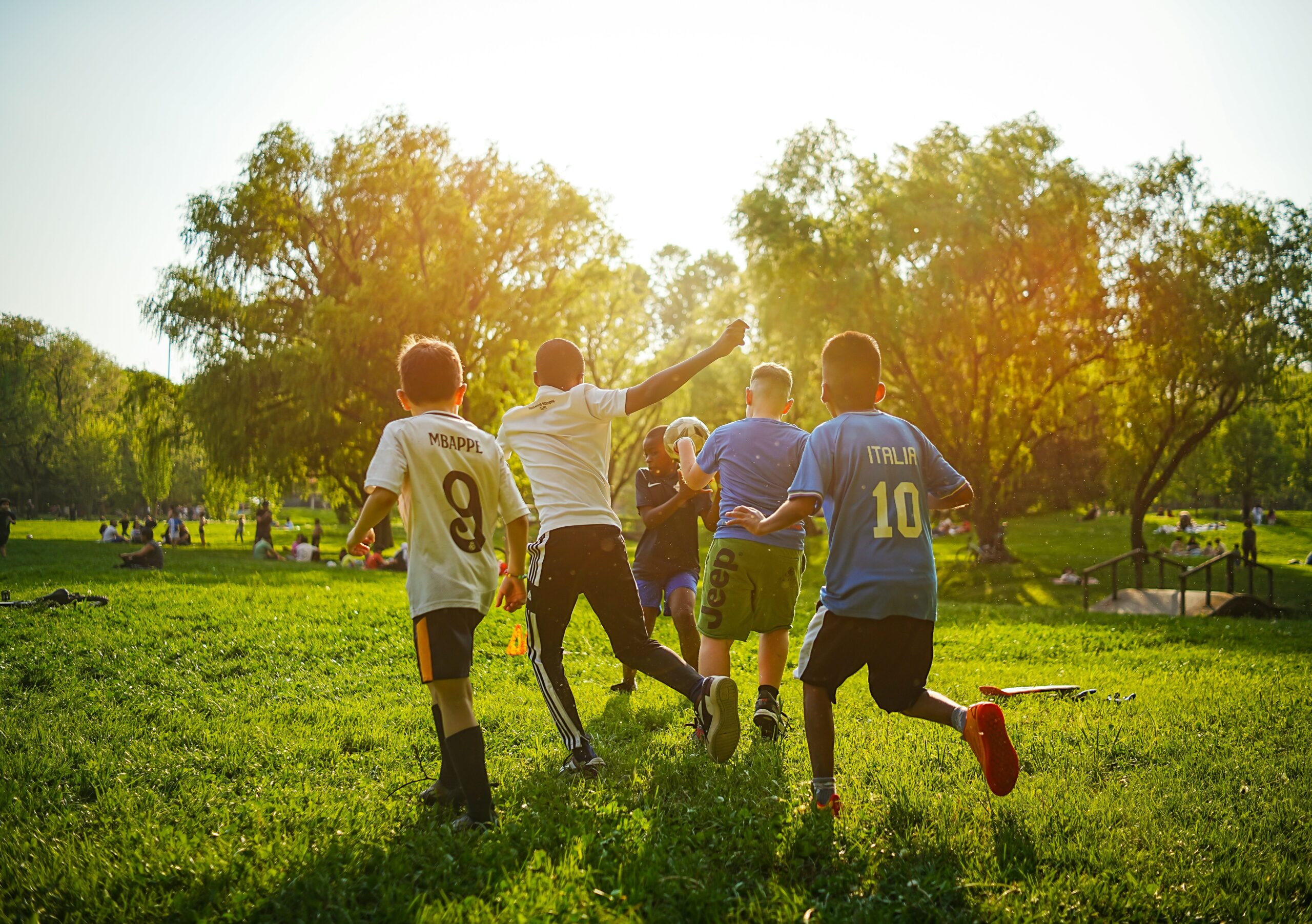
Confidence is an important part of childhood development, influencing how children approach new experiences, build friendships, and respond to challenges. While schools provide valuable opportunities to learn and develop social skills, some of the most meaningful lessons happen outside the classroom. Trying an unfamiliar activity, working with others, or discovering an unexpected talent can help children develop a stronger belief in their own abilities. Parents, carers, and educators can encourage this growth by creating opportunities for children to explore their interests in supportive environments.
From outdoor adventures to creative hobbies, there are plenty of ways to help young people become more independent. Read on to discover five practical approaches to building confidence beyond school.
Encourage Children to Try Outdoor Adventures
Spending time outdoors gives children the chance to explore unfamiliar surroundings, test their abilities, and learn through practical experience. Activities such as climbing, orienteering, and team challenges can introduce manageable levels of difficulty, helping children discover that they are capable of more than they initially expect. Completing a course or reaching the end of a trail can provide a genuine sense of achievement, particularly for children who may not always feel confident in traditional academic settings.
Visiting an outdoor activity centre can provide a structured way for children to experience these opportunities; depending on the activities available, they may have the chance to develop physical skills, solve problems, and work alongside other young people. Supportive instructors can encourage children to attempt new challenges at their own pace, helping them build confidence without feeling pressured to compete. The aim is not to make every child the fastest or strongest participant, but to let them recognise their own progress. Even a small achievement, such as trying something they initially found intimidating, can become a positive memory that encourages them to approach future experiences with greater self-belief.
Give Children Opportunities to Make Their Own Decisions
Confidence often grows when children are trusted to make choices and experience the results. Everyday decisions provide useful starting points, from selecting a weekend activity to deciding how to organise their belongings for a family outing. As children get older, they can gradually take responsibility for more involved tasks, such as planning a simple meal, managing a small budget, or preparing what they need for a day away from home.
The important part is to offer choices that suit their age and abilities, while allowing enough freedom for them to think independently. Adults can guide children by discussing possible options rather than immediately supplying the answer. If a plan does not work, encourage them to consider what they might change next time. This approach helps children understand that mistakes are a normal part of learning rather than a reason to lose confidence. Giving a child responsibility for a personal planning project, such as organising a family picnic, can bring these lessons together. They can choose the food, prepare a checklist, and help decide where to go. Completing the task shows them that their ideas matter and that other people can rely on them.
Help Children Develop Friendships Through Team Activities
Building friendships can be exciting, but social situations sometimes feel difficult for children who are shy, anxious, or unsure how to join a group. Activities outside school can provide a different environment in which to practise communication and get to know people through shared interests. When children are focused on a game, performance, or common goal, conversations can develop more naturally than they might during an unfamiliar social situation.
Joining a local sports club is one way to give children regular opportunities to interact with others. Team sports encourage participants to communicate, cooperate, and recognise the contributions of different people. However, competitive sport is not the only option. Drama groups, art clubs, music sessions, and community activities can offer similar benefits for children with different personalities and interests. Adults can support these experiences by helping children find a group where they feel welcome, rather than expecting them to enjoy every activity they try. Over time, repeated contact with familiar faces can make social situations feel less daunting. Children may become more comfortable sharing ideas, asking for help, and contributing to group decisions, all of which can strengthen their confidence in relationships.
Encourage Creative Interests and Personal Expression
Not every child feels most confident when taking part in physical challenges or group activities. For some, confidence develops through creative pursuits that give them space to express their ideas and develop skills at their own pace. Drawing, photography, cooking, writing, music, and crafts all provide opportunities to experiment, make decisions, and create something personal. These activities can be especially rewarding because there is often no single correct outcome.
A creative workshop can introduce children to materials, techniques, and ideas they might not encounter at home or school. They may discover an interest in pottery, learn how to use a camera, or find enjoyment in making something from recycled materials. Adults can encourage progress by showing genuine interest in the process rather than focusing exclusively on the finished result. Praising persistence, curiosity, and original thinking helps children understand that their effort has value even when the outcome is imperfect. It is also important to give them room to develop their own tastes. A child who chooses an unusual colour combination or invents a new way to complete a project is practising independent thought. Over time, these experiences can help them feel more comfortable expressing opinions and sharing their work with others.
Teach Children to Recognise Their Own Progress
Confidence is not built through achievements alone. Children also benefit from learning how to handle disappointment, recover from setbacks, and recognise improvements that may not be immediately obvious. A missed goal, a difficult lesson, or an unsuccessful attempt at a new skill can feel discouraging, but these experiences offer opportunities to develop resilience. Adults can help by acknowledging the disappointment without treating it as a failure that defines the child.
One practical approach is to encourage children to reflect on a personal achievement journal. They could record something they tried, a challenge they faced, or a moment when they helped someone else. Younger children might prefer drawings or short conversations, while older children may enjoy writing about their experiences in more detail. Revisiting these entries can help them see how their abilities and attitudes have developed over time. It also broadens their understanding of success beyond winning competitions or receiving praise. Showing kindness, asking for help, and trying again after a setback are all meaningful achievements. When children learn to notice these moments for themselves, they become less dependent on external approval and better equipped to approach unfamiliar situations with a positive, realistic sense of what they can do.