Room-by-Room Cleaning Checklist for Busy Families
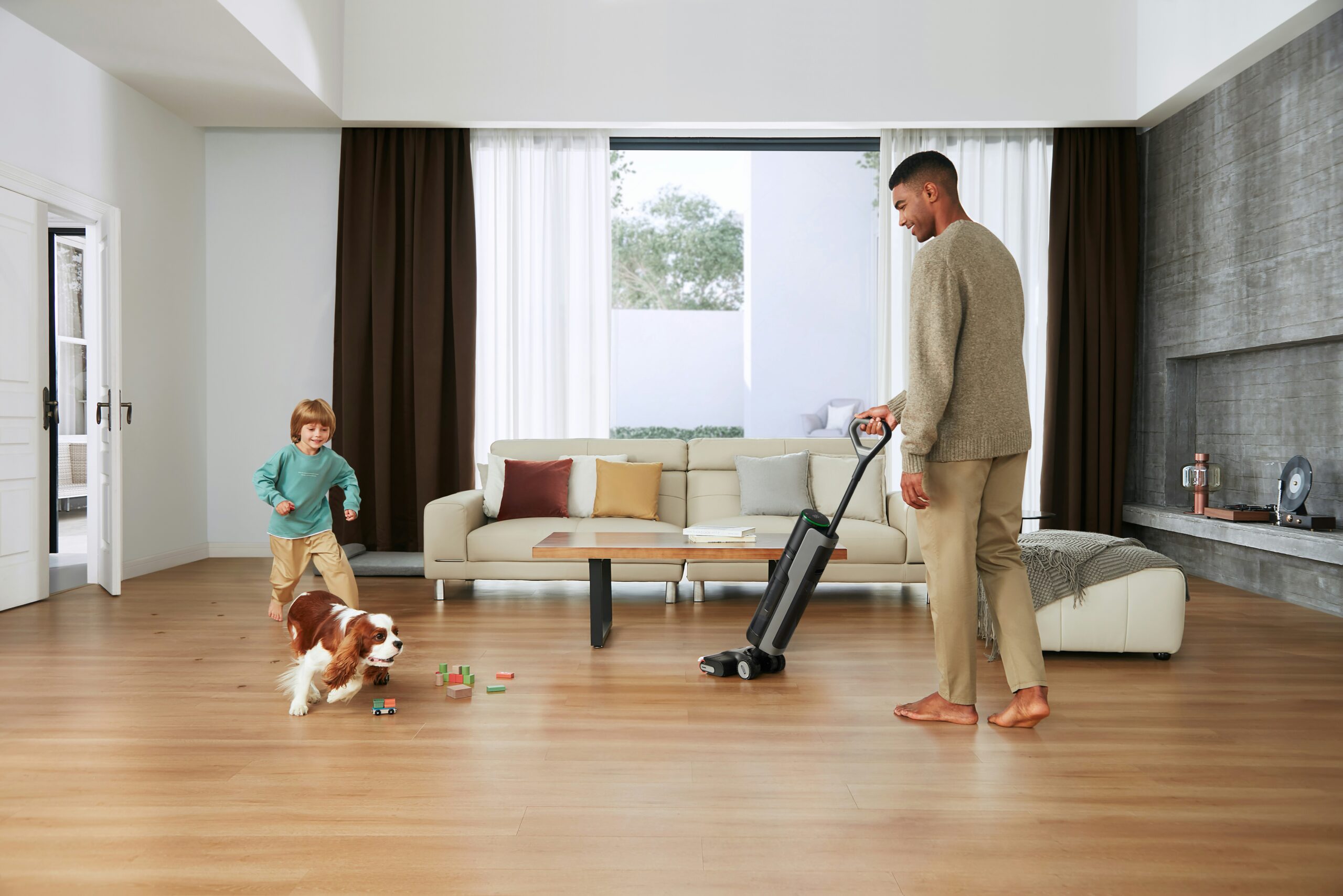
When you have kids, pets, work deadlines, and a house to maintain, cleaning often feels like a battle you’re losing. The whole-house deep clean sounds important, but it’s also the perfect excuse to procrastinate forever. The secret isn’t buying better products or waking up earlier; it’s breaking the job into smaller, room-specific tasks that feel achievable even on a Thursday night.
A room-by-room approach keeps you focused, prevents the mental fatigue that comes from staring at a 15-item master list, and actually gets results. Instead of vague promises to “clean the house,” you tackle the kitchen on Monday, bathrooms on Wednesday, and bedrooms on Friday. By Friday night, the whole home is actually clean, not just the visible parts.
Key Takeaways
- A room-by-room cleaning plan turns an overwhelming all-day task into manageable daily or weekly routines.
- Prioritizing high-traffic areas and frequently used spaces keeps your home functional even when you’re busy.
- Knowing exactly which tasks belong to each room prevents duplicate effort and saves time.
- Smart scheduling lets you spread cleaning across the week instead of losing an entire Saturday.
Why This Matters for Your Household
Most busy families don’t lack cleaning motivation; they lack a clear system. You end up doing surface cleaning in the living room, then jumping to scrubbing the shower, then sweeping the kitchen, and by the time you step back, only three hours of work have happened but you’ve cleaned nothing completely. That scattered approach exhausts you without delivering the satisfaction of a genuinely clean room.
When you organize by room, you build momentum. Finishing the kitchen feels like a win. Completing the bathrooms is another one. Each completed room reinforces the habit and shows real progress. For families juggling school runs, work, and extracurriculars, this psychological boost is just as valuable as the actual cleanliness.
If you’re considering support for bigger cleaning projects, recurring house cleaning services can handle the deep tasks while you manage the daily upkeep. But whether you’re going solo or pairing professional help with your own routine, a structured room-by-room plan keeps everything organized and prevents tasks from slipping through the cracks.
Kitchen Cleaning Routine
The kitchen is your home’s central hub, and it shows dirt faster than any other room. Start here first, because a clean kitchen immediately improves how you feel about the whole house.
Daily Tasks (10 to 15 minutes)
- Wipe down countertops and stovetop after meals.
- Load or hand-wash dishes and dry them.
- Sweep high-traffic areas and under the table.
- Wipe the sink and leave it dry.
These five minutes after dinner prevent the buildup that makes Wednesday feel impossible.
Weekly Deep Tasks (30 minutes)
- Clean the inside of the microwave with a damp cloth and steam (microwave a bowl of water for three minutes, then wipe).
- Scrub the stovetop and backsplash.
- Wipe cabinet fronts and handles.
- Clean the refrigerator exterior and organize the interior.
- Sweep and mop the floor, including under the table and appliances.
Doing these on a specific day (say, Thursday evening) means you’re not scrambling to remember what you skipped.
Bathroom Cleaning Routine
Bathrooms are high-moisture environments where mold, mildew, and soap scum build up fast. Two separate sessions (one mid-week, one weekend) keep things fresh without constant scrubbing.
Quick Weekday Refresh (15 minutes)
- Wipe down the sink and faucet.
- Scrub the toilet bowl with a brush.
- Spray the shower walls and let cleaner sit for a minute, then rinse.
- Sweep the floor.
This quick hit prevents buildup and keeps the bathroom sanitary without eating your entire evening.
Weekend Deep Clean (25 minutes)
- Scrub and disinfect the toilet (inside and out).
- Clean the shower or tub thoroughly, including grout and corners.
- Wipe mirrors and clean glass surfaces.
- Wash the bathroom floor, including behind and under fixtures.
- Replace towels and organize toiletries.
Two kids and a dog means multiple bathrooms in heavy use. Splitting tasks across the week is the only way to stay ahead.
Bedroom Cleaning and Organization
Bedrooms should feel like a refuge, which means basic tidiness matters more than perfection. Kids’ rooms will have toys; that’s normal. But knowing where things live makes cleanup quick.
Weekly Bedroom Tasks (20 minutes per room)
- Strip and wash bedding (do this on the same day each week, like Sunday).
- Dust all surfaces, including nightstands, dressers, and windowsills.
- Vacuum or sweep the floor thoroughly.
- Put away clothes and toys so the floor is clear.
- Wipe light switches and doorknobs.
If your kids’ rooms are chaos zones, assign each child one zone they’re responsible for tidying before the weekly vacuum. Even a six-year-old can understand “toys go in the bin, books go on the shelf.”
Living Room and Entryways
These are the spaces guests see first, and they’re also where clutter accumulates fastest because everyone passes through multiple times a day.
Twice-Weekly Tidy (15 minutes)
- Fluff cushions and fold blankets.
- Collect and put away toys, shoes, and mail that migrated here.
- Dust surfaces and electronics.
- Vacuum or sweep, especially near the entrance where dirt gets tracked in.
- Wipe down the front door and windows if needed.
Doing this on Wednesday and Saturday keeps the space guest-ready without constant effort.
Laundry Room and Utility Spaces
These spaces don’t get as much attention, but they’re essential for making the whole system work.
Monthly Utility Space Reset (20 minutes)
- Wipe down the washer and dryer exteriors and the countertop.
- Clean the lint trap thoroughly and check the dryer vent.
- Sweep and mop the floor.
- Organize cleaning supplies and put away forgotten items that drifted in.
You don’t need to do this weekly, but monthly prevents mold and keeps the space functional.
A Realistic Example: The Cohen Family Schedule
Sarah works full-time and has two kids in school. Her partner travels for work two weeks a month. Instead of waiting for a mythical “free weekend,” she split cleaning across five days:
- Monday evening: Kitchen deep clean (30 minutes after the kids are in bed).
- Wednesday lunch break: Bathroom refresh (15 minutes during her lunch hour works better than an evening).
- Thursday evening: One child’s bedroom and the entryway (25 minutes, her older kid helps).
- Saturday morning: Master bedroom, second bathroom deep clean, living room refresh, and laundry room (90 minutes while her partner watches the kids).
- Sunday before bed: Strip and wash all bedding, a final surface sweep.
This schedule meant nothing happened on Tuesday, Friday, or part of Saturday, but everything was actually clean by Sunday. She wasn’t exhausted, and she wasn’t running behind. When her partner was traveling, she swapped the Saturday task to Friday evening and recruited her kids to help, turning cleaning into a family project.
For bigger seasonal tasks like steam-cleaning carpets or deep-cleaning baseboards, she knows she can book professional cleaning services to handle those without disrupting her routine.
Actionable Takeaways
- Start with one room. Don’t overhaul your entire system this week. Pick the kitchen or the bathroom, complete it fully on your chosen day, and notice how good it feels.
- Choose your recurring days. Consistency matters more than perfection. If Tuesday is bathroom day, you’ll start expecting it and it becomes automatic.
- Involve your family. Even young kids can help sweep, put toys away, or fold blankets. Cleaning stops feeling like your solo job.
- Use a timer. Working against a 20-minute timer is psychologically easier than an open-ended session. You often finish in 18 minutes because you’re focused.
- Handle spills and messes immediately. Daily upkeep is so much faster than weekly damage control. Wipe the juice spill when it happens, not on Thursday.
- Adjust based on reality. If your family hates Thursdays, move tasks to Wednesday or Friday. The best system is the one you’ll actually follow.
Conclusion
A clean home isn’t a destination you reach one Saturday and maintain forever; it’s a rhythm you build. Breaking the work into rooms and days makes it feel manageable, shows progress, and actually gets done. Most busy families find that 20 to 30 minutes a day, split strategically, creates a cleaner home than spending a full Saturday on an all-or-nothing deep clean.
Start this week. Pick your first room. Commit to one day. Then add the next room next week. By month two, you’ll have a routine that works, and “the house is clean” stops being a fantasy.
FAQ
How often should I clean each room of my home?
Kitchens and bathrooms need weekly deep attention (once a week), with daily tidying in between. Bedrooms should get a full clean once a week, ideally when you change bedding. Living areas and entryways benefit from twice-weekly tidying and a weekly vacuum or sweep. Laundry rooms and utility spaces can go monthly unless you spot visible dirt.
What’s the difference between daily tidying and deep cleaning?
Daily tidying removes clutter and dirt on visible surfaces: wiping counters, sweeping, putting away toys, and clearing dishes. Deep cleaning targets areas that accumulate grime over time: scrubbing grout, cleaning inside appliances, washing baseboards, and disinfecting corners. Most families do daily tidying in five to ten minutes and reserve deep tasks for one longer session per week.
Should I follow this schedule even if I live alone?
Yes, but you can adjust the frequency. Someone living alone might deep clean the kitchen and one bathroom on one day and the bedroom and living room on another, stretching tasks across ten days instead of seven. The principle stays the same: breaking the job into rooms makes it feel manageable and tracks progress more clearly than a vague “clean the house” goal.
Can I use the same cleaning products for every room?
A multipurpose cleaner works for most surfaces, but some tasks have specific needs. Bathrooms often need a mold and mildew spray; kitchens benefit from a degreaser for stovetops; and windows clean better with glass cleaner. You don’t need 20 products, but having three or four tools for different jobs makes work faster and results better.
What should I do about cleaning between these scheduled sessions?
Handle spills and messes immediately. Wipe juice off the counter right away, put toys in the bin before bed, and toss dirty dishes in the sink or washer. These quick actions prevent buildup so your scheduled cleaning sessions actually stay on track. Spending two minutes on a mess when it happens beats spending 20 minutes scrubbing it later.
Is it okay to hire professional cleaning help alongside this routine?
Absolutely. Many families use professional cleaning for quarterly deep tasks or monthly bathroom deep cleans while handling daily upkeep themselves. This approach combines the cost savings of doing regular maintenance yourself with the benefit of professional expertise for the harder jobs, giving you a cleaner home without burnout.