The Truth Behind Hair Transplant Cost

Starting the road of hair restoration may frequently lead to confusion and curiosity, especially when it comes to determining the genuine cost and benefits of a hair transplant. With the goal of demystifying the issue, this article explores the technical aspects of hair transplant operations, concentrating on hair transplant cost UK market prices and the variables that contribute to these costs.
-
Understanding Hair Transplant Procedures
Have you ever considered the intricate process of precisely placing each strand of hair to achieve a natural-looking hairline?
Hair transplant technique is divided into two main techniques: follicular unit transplantation (FUT) and follicular unit extraction (FUE). FUT, often known as the “strip procedure”, involves taking a strip of scalp from the donor location and dividing it into individual grafts.
In contrast, FUE, a more recent technique, involves harvesting individual hair follicles straight from the scalp. While FUE offers faster recovery periods and less apparent scarring, it often takes longer and is more expensive.
Understanding these strategies is critical for creating realistic expectations and matching them with your individual hair restoration objectives.
-
What Influences Hair Transplant Cost UK?
Choosing a hair transplant facility or surgeon is just one aspect to think about when contemplating the procedure; another is being aware of the many variables that go up to the final cost.
- Number of Grafts: More baldness typically means more grafts, and consequently, a higher cost.
- Technique Used: As mentioned, FUE generally costs more than FUT due to its labour-intensive nature.
- Surgeon’s Expertise: Surgeons with a stellar reputation and years of experience often command higher fees.
- Clinic’s Location: Prime locations, like those housing the esteemed Harley Street hair clinic, can have higher operational costs, influencing the overall price.
- Additional Services: Comprehensive aftercare or additional sessions for denser coverage can add to the base cost.
-
The Real Cost Spectrum in the UK
On average, the cost of a hair transplant in the UK gravitates around £4,820, but this is by no means a standard figure. The spectrum of costs can span from as low as £1,995 to as high as £15,000, underscoring the personalised nature of each hair restoration journey.
The number of grafts required, a critical component in determining the overall cost, averages at 1,610 grafts for a procedure. However, this number can vary greatly, influenced by individual hair loss patterns and the desired density of the transplant.
The consultation process, often offered for free by the majority of clinics, plays an integral role in tailoring the procedure to the patient’s specific needs, ensuring that the proposed treatment aligns with their expectations and budget.
It’s noteworthy that clinics located in prestigious areas, such as Harley Street, may command a premium, reflecting the high standards of care and expertise available. Yet, the price does not always correlate directly with the surgeon’s experience or the clinic’s location, emphasising the importance of thorough research and consultation in choosing the right clinic and team for your hair transplant journey.
-
Hidden Costs and Considerations
When considering a hair transplant, it’s not just the visible costs that need to be factored in. There are often hidden costs and considerations that, if not accounted for, can take you by surprise. These can range from the seemingly minor to the more substantial and should be considered as part of your overall budget and planning:
- Post-operative Care: The journey doesn’t end when you leave the clinic. Aftercare, including medications, special shampoos, or follow-up visits, can add to your expenses.
- Travel and Accommodation: If your chosen clinic isn’t local, travel costs and accommodation need to be factored in.
- Time Off Work: Recovery might require you to take time off work, which could mean lost income, especially for those not entitled to paid leave.
- Potential Additional Procedures: Sometimes, the desired density or coverage might require additional sessions, adding to the total cost.
Each of these elements contributes to the total investment in your hair restoration journey. Being aware of these hidden aspects can help in preparing a more accurate and comprehensive budget.

-
Making an Informed Decision: Final Considerations and Steps
Deciding to undergo a hair transplant is a significant and personal decision. It’s not merely a financial commitment but also an emotional and physical one. As you approach this decision, consider these final thoughts:
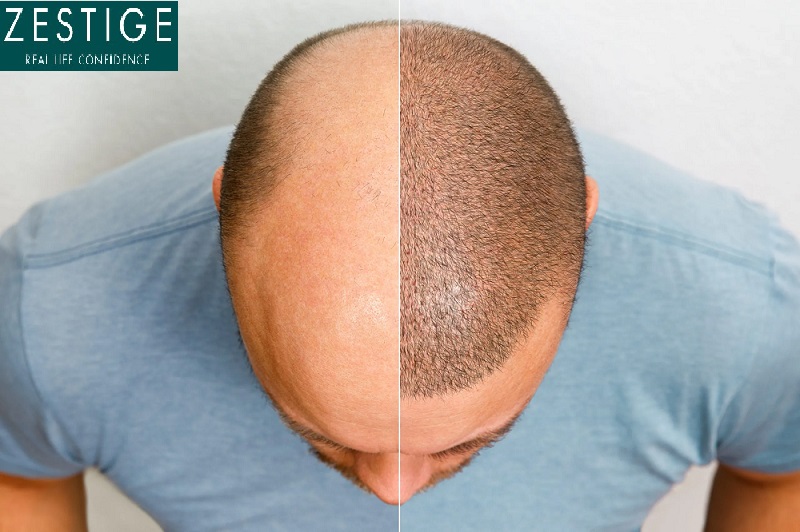
- Research is Key: Invest time in researching clinics and surgeons. Look for reviews, before-and-after photos, and patient testimonials.
- Consultations are Crucial: Utilise consultations to ask questions, understand the procedure, and get a feel for the clinic and the surgeon.
- Understand the Risks and Recovery: Every medical procedure comes with potential risks. Ensure you understand these and the expected recovery process and timeline.
- Consider the Long-term: A hair transplant is a long-term investment in your appearance and self-confidence. The cost, while not insignificant, should be weighed against the long-term benefits you anticipate.
Conclusion
The quest for restoring one’s hair can lead to a transformative journey, not just physically but also in terms of self-confidence and quality of life. Understanding the nuances behind the hair transplant in the UK can empower individuals to make informed decisions. By considering the factors that influence the cost, recognising the potential for hidden expenses, and choosing a reputable clinic, individuals can embark on this journey with clarity and confidence.
Author bio:
Brindon Bagirathan
As the owner of Zestige, Brindon Bagirathan is an influential personality in the field of hair transplantation. A regular contributor to industry conversations, Brindon frequently articulates his expert insights and thought leadership through blogs. These writings allow him to reach a wider audience, providing them with fresh and informed perspectives on the latest trends and advances in the field of hair transplantation.