
What to Look for in Quality Mining Camp Accommodation
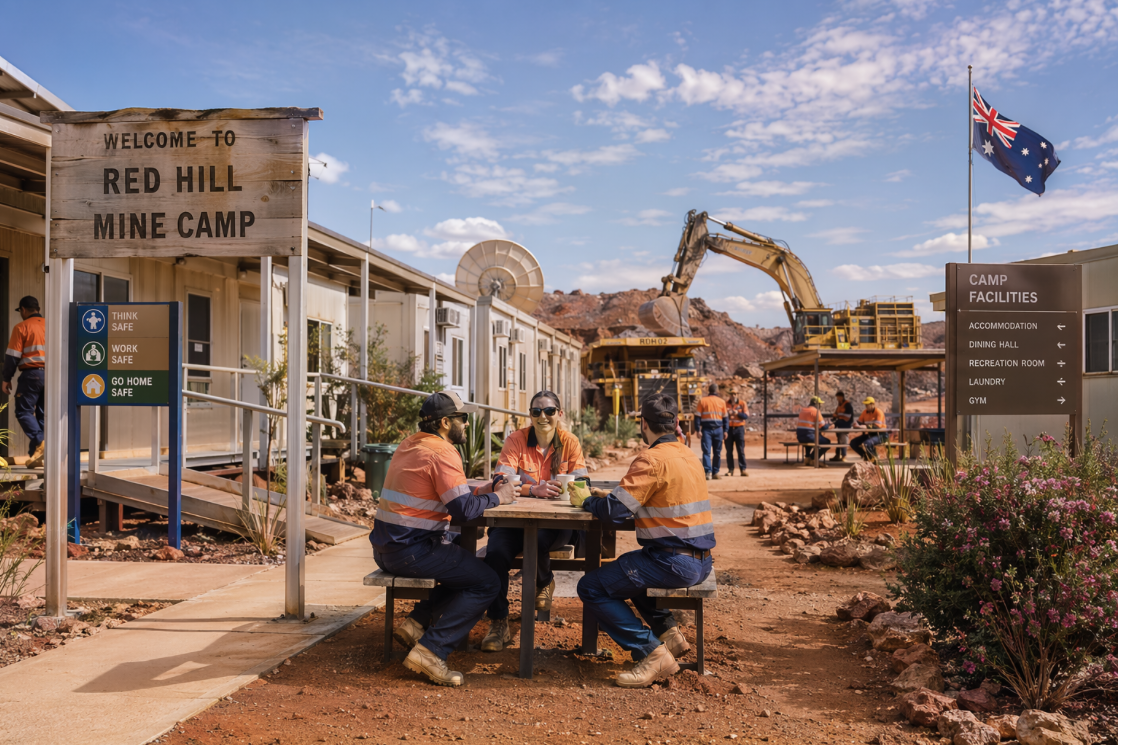 Key Highlights
- Quality mining camp accommodation should match your workforce size, roster pattern, and specific site requirements.
- In Australia, options range from motel-style stays in town to village-based remote accommodation near mining operations.
- Good amenities matter: air conditioning, insulation, catering, Wi-Fi, and clean communal areas support workforce wellbeing.
- Recreation and wellness features help FIFO workers rest properly between shifts in harsh conditions.
- Location, logistics, and mobilisation planning can reduce travel strain and improve day-to-day operations.
- Mining companies should also review standards, regulations, sustainability, and supply chain practicality before choosing a site.
Introduction
Choosing mining camp accommodation is not just about putting people near a worksite. In the mining industry, your workforce needs safe, practical, and comfortable remote accommodation that fits real roster demands. Mining companies in Australia often manage projects in isolated areas, so the right setup must support rest, meals, connectivity, and daily routine. If you are comparing options, it helps to know what quality looks like and how to match accommodation to your team’s specific needs.
Understanding Mining Camp Accommodation in Australia
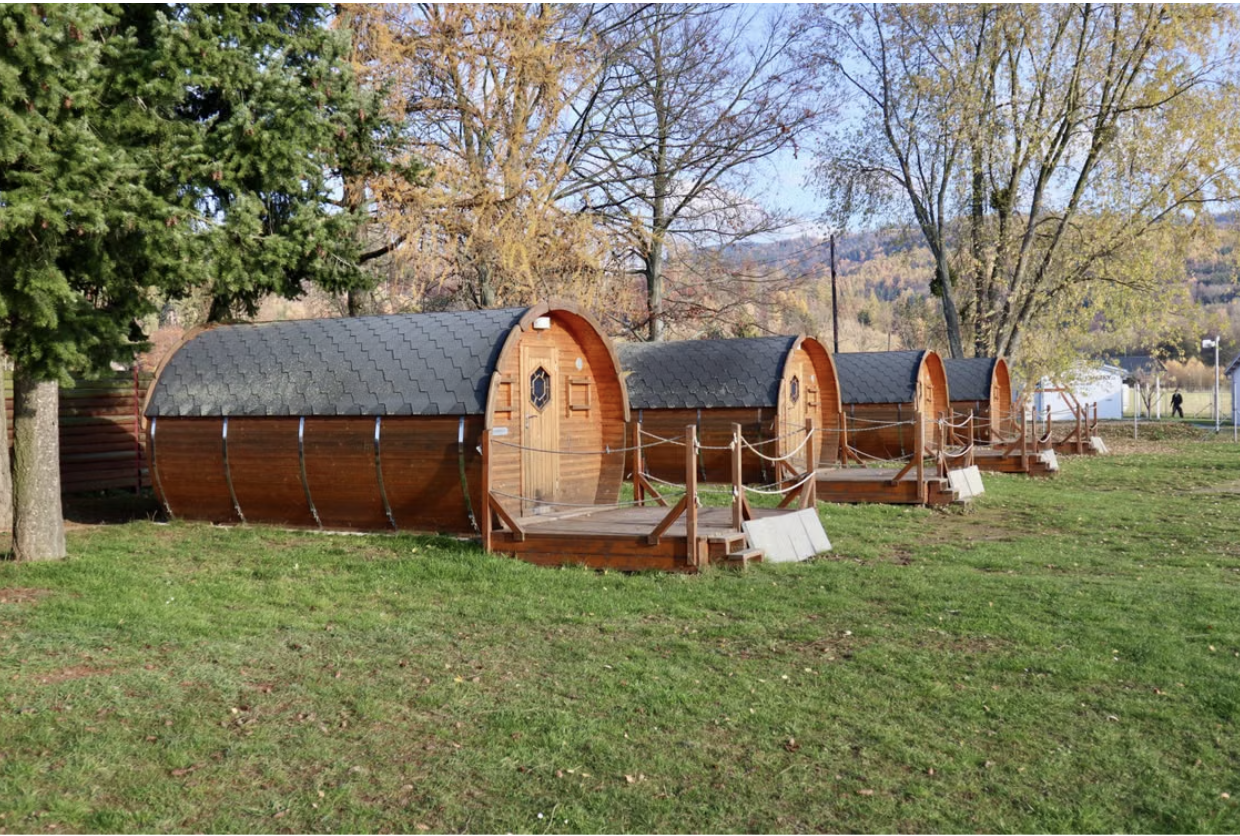
Mining camp accommodation in Australia varies by project, workforce size, and location. Common options include village-style stays, motel rooms, and remote lodgings for FIFO and DIDO teams. In Western Australia and regional Queensland, providers offer centrally located rooms in towns like Newman, Norseman, South Hedland, and Moranbah, giving workers access to rest and local amenities.
For mining companies and project managers, choosing the right accommodation is key. Town-based stays suit teams needing quick access to shops, restaurants, and airports, while others may prefer sites closer to work. The best choice balances travel time, comfort, and the practical demands of remote locations—features workers notice every day.
Essential Amenities in Modern Mining Camp Accommodation
Modern mining camp accommodation solutions should cover more than a bed and a shower. Workers usually expect core amenities such as air conditioning, solid insulation, reliable catering, high-speed Wi-Fi, and clean, well-maintained shared spaces. These basics support recovery after long shifts in demanding mining operations.
That is where workforce wellbeing becomes practical, not theoretical. In the mining industry, better amenities can mean better sleep, fewer complaints, and a more settled team. Beyond the essentials, recreation and daily comfort features often shape whether a stay feels manageable or draining.
Examples of On-Site Recreation and Wellness Offerings
A quality camp quickly answers one question: how does it help workers recover between shifts? The answer is through practical amenities, good food, and stress-reducing spaces—crucial for wellbeing when away from home.
Effective camps focus on useful features, not flashy extras. For example, sites may offer on-site dining after late shifts and shared spaces for relaxing without leaving the property:
- Daily breakfast and dinner service
- Fresh meals to order or takeaway
- Leisure options like pool tables or arcade games
- Clean, quiet communal areas
These comforts add up. When workers can eat well, unwind, and sleep peacefully, the camp truly supports them.
Internet, Connectivity, and Workspace Features
For many teams, the internet is now essential in remote accommodation—just like a comfortable room. Mining companies recognise that reliable connectivity helps workers stay connected with family, check schedules, and manage daily life during long absences.
Workspace is also important, especially for supervisors or project leads handling planning after shifts. A well-equipped room with dependable internet greatly improves how accommodation supports the mining industry.
Key requirements include:
- High-speed Wi-Fi in rooms and communal areas
- Quiet in-room space for admin tasks or calls
- Easy access to support staff for connectivity issues
Unstable internet quickly causes frustration. Reliable connectivity makes camps more functional and less isolating.
Standards and Regulations for Mining Camp Accommodation
In Australia, mining companies should expect mining camp accommodation to be planned with standards and regulations in mind. That includes the way facilities are set up for mining operations, how they are maintained, and how practical issues such as insulation, safety, and sustainability are handled over time.
While each project is different, quality providers should show a clear approach to manufacturing, operations, and site suitability. For decision-makers, the useful next step is to look at how safety and environmental considerations appear in day-to-day camp design.
Australian Codes and Safety Requirements
Mining camp accommodation in Australia must meet safety standards appropriate for its use and location. Mining companies routinely assess whether accommodation supports safe occupancy, stable operations, and reliable supply chains. They also ensure alignment with internal policies, regulations, and relevant ISO systems.
Safety goes beyond compliance—it impacts comfort, transport schedules, maintenance response times, and worker confidence.
| Area | What to Check |
| Room safety | Secure, well-maintained rooms with working essentials and support access |
| Building performance | Proper insulation, air conditioning, and design suited to local needs |
| Operations support | Facilities that match mining rosters and site access requirements |
| Supply chain | Reliable delivery of food, cleaning, and maintenance services |
| Management | Adherence to standards, regulations, and ISO-based processes |
Environmental Sustainability Considerations
Sustainability is often overlooked when the focus is on quickly setting up beds. However, mining companies establishing remote camps should consider long-term site performance. Choices in waste management, insulation, and manufacturing impact cost, comfort, and workers’ daily experience.
Long-term planning pays off—a camp that manages heat well and stays clean is easier to live in and maintain, especially where support arrives slowly.
Key sustainability checks:
- Does insulation keep rooms comfortable in harsh conditions?
- Is waste managed effectively throughout daily camp use?
- Do manufacturing and layout choices support long-term operations?
Choosing the Right Mining Camp Accommodation for Your Workforce
Choosing the right mining camp accommodation starts with your workforce, not the room count. Project managers should map roster style, transport needs, meal service, and rest expectations against the site. In Australia, some teams may prefer accommodation in town, while others may need options closer to more isolated work areas.
It also helps to compare permanent-style stays with modular buildings where relevant. Providers with decades of experience usually understand how specific site requirements shape what works in the mining industry. Once that baseline is clear, location and daily logistics become the deciding factors.
Assessing Location, Logistics, and Worker Wellbeing
Location can prevent problems before they arise. Staying near airports, shopping centres, or food outlets eases pressure on your workforce and streamlines logistics. For mining operations, this means less time wasted on travel and smoother mobilisation.
Worker wellbeing improves when staff have easy access to basic services. Centrally located accommodation lets teams reach dining, shops, and support without long commutes after shifts—a much better alternative to isolated, purely functional camps.
When evaluating options, consider:
- Travel time between lodging and site
- Proximity to meals, shops, and services
- Reliability of food and cleaning supplies
- Suitability for the workforce size during mobilisation
The best choice supports operations and feels livable.
Conclusion
To ensure quality mining camp accommodation, prioritise amenities, safety, and worker wellbeing. The right facility should offer essential comforts, a positive environment, connectivity, recreational options, and comply with Australian regulations. Focusing on these aspects boosts productivity and satisfaction. Ready to choose the best accommodation? Contact us for expert guidance tailored to your needs.
Frequently Asked Questions
What are the typical living conditions in a mining camp?
Typical living conditions in mining camp accommodation depend on the setup, but FIFO workers usually expect clean rooms, meals, Wi-Fi, and basic amenities that help them recover from harsh conditions. In the mining industry, better camps also provide quiet spaces and practical access to food, laundry, and shared areas.
How do mining camps support miner comfort and health?
Mining camp accommodation solutions support workforce wellbeing by providing useful amenities that improve recovery between shifts. In mining operations, that often includes air conditioning, quality meals, clean communal spaces, and recreation features that help workers rest, eat properly, and settle into a sustainable routine.
Do mining camp accommodations need to meet specific standards in Australia?
Yes, mining camp accommodations in Australia should be reviewed against relevant standards and regulations for their use. In the mining industry, companies often expect a clear approach to safety, maintenance, and operations, with attention to ISO-aligned processes where appropriate for accommodation planning and management.


