How to Make a Long-Distance Move Feel Less Chaotic
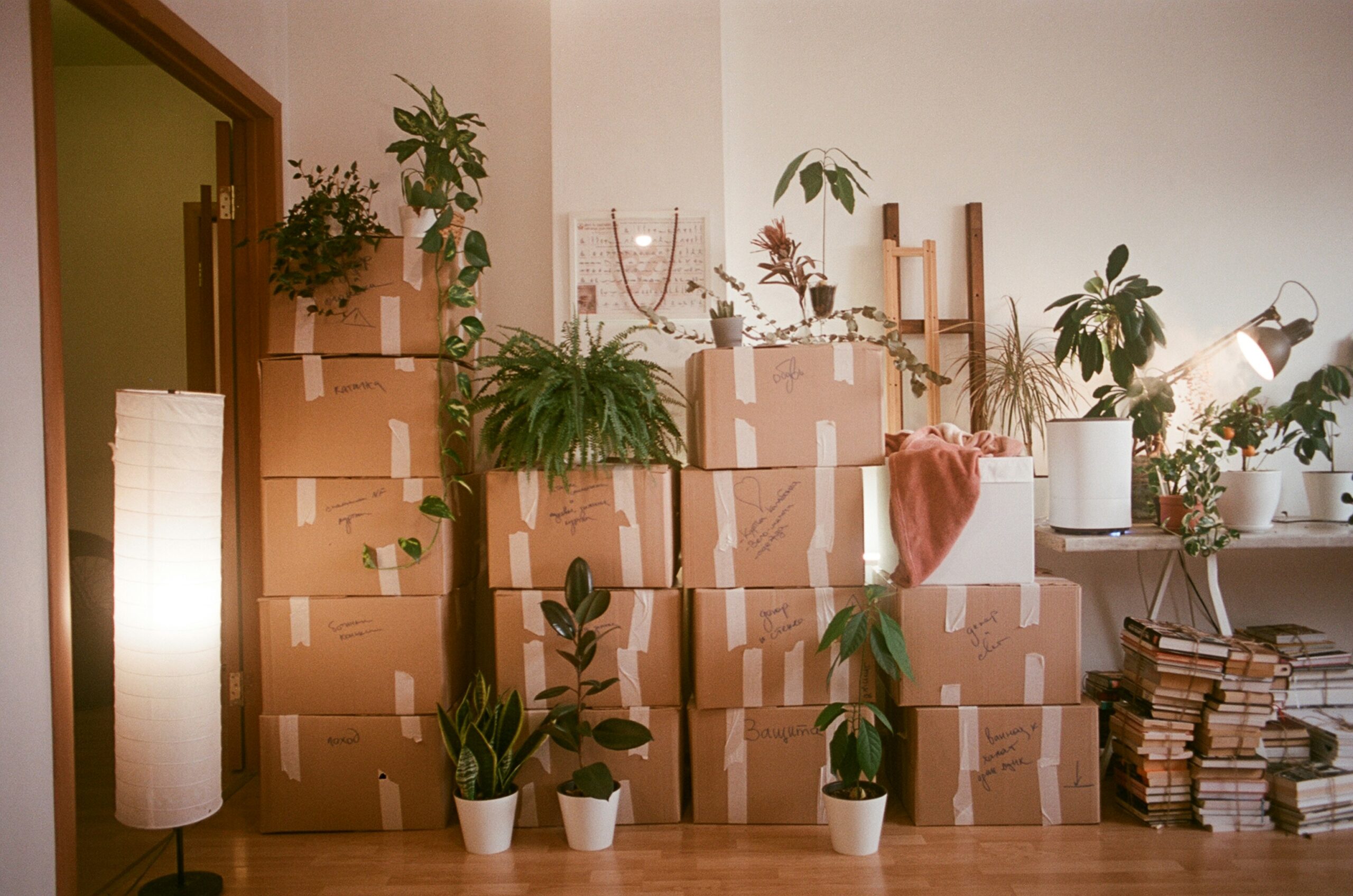
Moving to a new place can feel exciting one minute and wildly messy the next. Whether you’re relocating to Jacksonville for a fresh start or heading somewhere else entirely, you’re not just packing boxes. You’re packing your routine, your comfort zone, and probably that random kitchen drawer full of mystery rubber bands. The good news is that a smoother move usually comes down to simple choices made early. When you break the process into smaller steps, it feels much more doable and a lot less like your whole life exploded into cardboard.
Start with a plan
A long-distance move goes better when you start early and think in stages. You don’t need a color-coded binder worthy of a spy movie, but you do need a simple plan. Pick your moving date, make a basic budget, and list the jobs that need to happen each week.
One of the biggest early decisions is choosing help that fits your route and timeline. If you’re relocating from or around Jacksonville, working with Jacksonville long distance movers can make the process more manageable because long moves come with extra logistics, not just extra miles.
Try keeping your plan in one notes app or notebook. Include deposit dates, packing goals, travel details, and who is handling what. When everything lives in one place, you spend less time digging through old emails and more time actually getting things done.
Declutter before boxing
The easiest way to make moving simpler is to move less stuff. That sounds obvious, but it’s amazing how many people pack things they haven’t used in years. If it’s broken, expired, or collecting dust like it pays rent, let it go.
Go room by room and use four simple categories: keep, donate, sell, and toss. Don’t try to do the whole house in one weekend unless you enjoy dramatic meltdowns near laundry baskets. A slower approach is usually better.
Ask yourself a few honest questions. Have you used it in the past year? Would you buy it again today? Does it fit your next home and your current life? Those questions cut through a lot of maybe piles.
Decluttering can also save money if your moving cost depends on weight or volume. Fewer boxes mean less packing, less lifting, and less unpacking later. Future you will be deeply grateful.
Pack for real life
Packing is where good intentions often meet total chaos. The trick is to pack for the first week in your new home, not just for the truck. That means setting aside the things you’ll need right away instead of burying them under holiday decorations and waffle makers.
Create one essentials bag or box for each person. Include clothes, chargers, medicine, toiletries, snacks, and anything needed for sleeping. Think of it like packing for a short trip, except your hotel is full of unopened boxes.
Label every box with the room and a quick note about what’s inside. “Kitchen” is helpful. “Kitchen – coffee gear” is better. If you want bonus points, mark boxes you need first. That little detail can save you from opening twelve boxes just to find a can opener.
Wrap fragile items carefully, but don’t overdo it with fancy supplies. Towels, socks, and blankets can protect breakables just fine. It’s a nice reminder that your stuff can multitask even when you’re tired.
Settle kids and pets
Moving can be confusing for kids and stressful for pets, especially when routines change fast. A little preparation helps everyone feel steadier. You don’t need to make it perfect. You just need to make it feel safe and predictable.
For kids, talk about the move in simple terms and give them small jobs. Let them decorate a moving box, pack a backpack, or choose what goes in the car. Having a role makes the whole thing feel less scary and more like a team effort.
Keep favorite comfort items close during travel. That could be a stuffed animal, a blanket, or the same bedtime book you’ve read a hundred times. Familiar things help when everything else feels new.
Pets need similar reassurance. Keep food, water, medication, and a leash or carrier easy to reach. If possible, keep them in a quiet area during the busiest packing moments. A house full of open doors and strange noises is basically pet confusion on expert mode.
Handle moving week
The final week before a move has a sneaky way of turning normal people into forgetful goblins. This is when a short checklist becomes your best friend. Keep it simple and practical so you can actually use it.
Confirm moving times, travel details, and key handoff plans. Double-check utilities at both homes. You want power and water ready when you arrive, not a surprise camping experience with worse lighting.
Update your address for mail, banking, subscriptions, school records, and any regular deliveries. It helps to make one quick master list so nothing falls through the cracks. You may not miss junk mail, but you probably do want your actual bills and medications.
Leave out basic cleaning supplies, paper towels, phone chargers, and easy food. Moving day is not the time for a complicated dinner plan. Think sandwiches, fruit, and plenty of water. A little preparation keeps everyone calmer and much less likely to argue over scissors.
Make the new place home
When you first arrive, don’t pressure yourself to unpack everything at once. Your goal is comfort, not instant perfection. Start with the rooms that make daily life easier, usually the bedroom, bathroom, and kitchen.
Make the beds first. It sounds small, but it changes the whole mood of the house. After a long day, having a place to collapse is pure luxury. Then set up toiletries, towels, and enough kitchen basics for breakfast the next morning.
Next, unpack the things that create familiarity. Family photos, a favorite mug, your child’s bedtime lamp, the dog’s bed. Those little details make a strange space feel more like yours. Home often shows up in layers, not all at once.
Give yourself a few days to notice what works before rushing into big organizing decisions. You may find that a different layout makes more sense once you’ve lived there a bit. A good move isn’t about getting everything perfect on day one. It’s about making the transition easier, calmer, and a little kinder to yourself.