What Qualities Make Moissanite Jewelry a Popular Alternative to Diamonds: Affordability and Brilliance
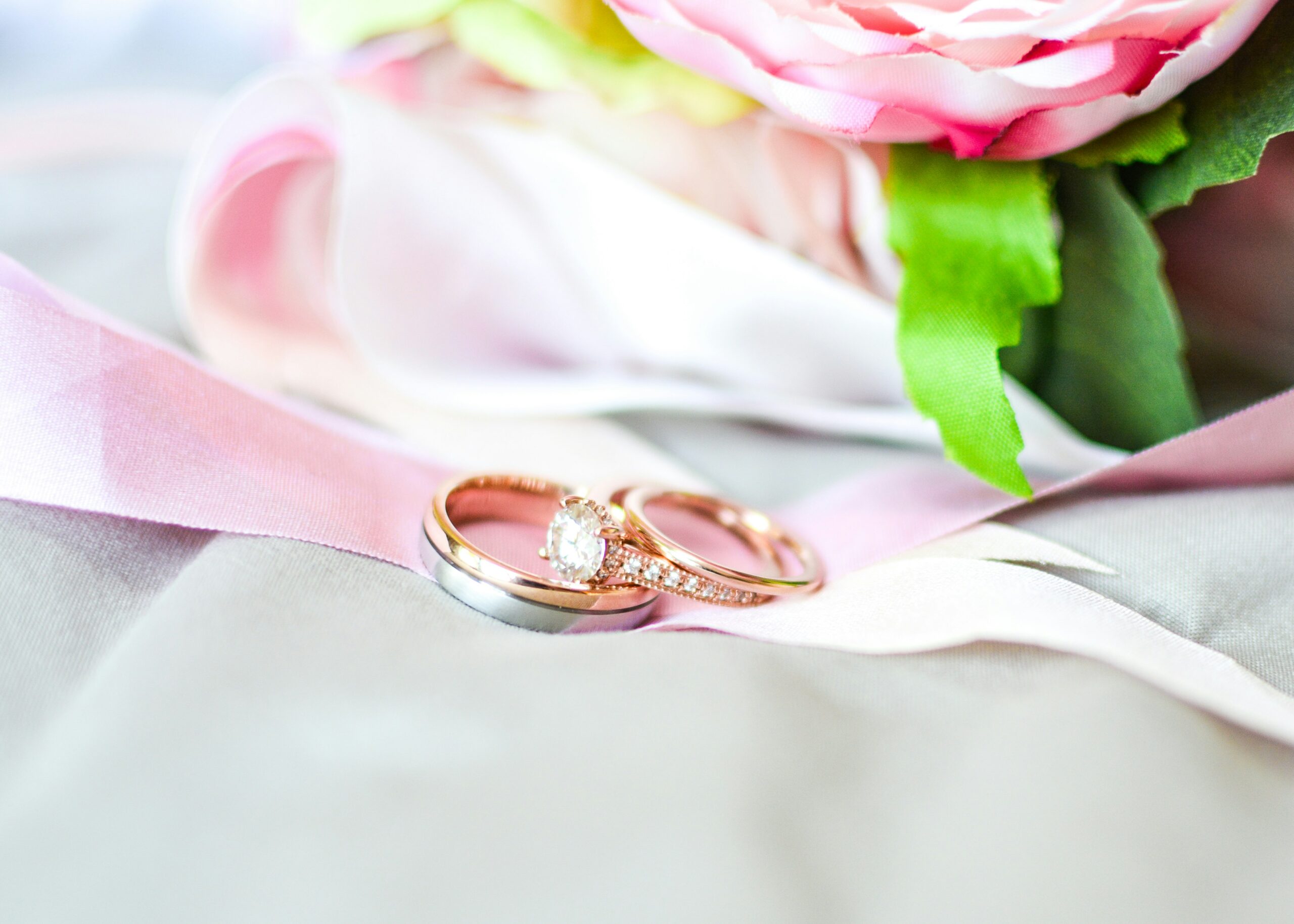 Moissanite has emerged as a sparkling contender in the world of gemstones, particularly as a sought-after diamond alternative. With its impressive durability and eye-catching brilliance, moissanite is an attractive option for consumers looking for both beauty and value in their jewelry. This gemstone boasts a hardness rating close to that of diamonds, giving it the resilience needed for everyday wear while providing an ethical and lower-cost alternative to traditional diamonds.
The steady growth in the demand for moissanite in the jewelry market, is capturing the attention of both jewelers and consumers. Its near-diamond appearance often goes undetected to the unaided eye, and it is increasingly popular among those looking for sustainable and ethically sourced jewelry options. The industry has seen an increase in the variety, availability, and profile of moissanite jewelry, making it highly accessible for those seeking elegant designs, from engagement rings to other fine jewelry.
Key Takeaways
- Moissanite offers near-diamond hardness, making it a durable choice for jewelry.
- Its popularity is fueled by its diamond-like appearance and ethical considerations.
- The jewelry market has seen a growing variety and availability of moissanite.
Comparing Moissanite and Diamonds
In the realm of gemstones, moissanite emerges as a compelling diamond alternative, drawing attention with its hardness, brilliance, and affordability. As consumers weigh their options for fine jewelry, understanding the distinctions between moissanite and diamonds becomes crucial.
Physical Properties
Moissanite is renowned for its exceptional hardness, ranking at 9.25 on the Mohs scale, just below diamonds, which hold the highest rank of 10. This makes moissanite a highly durable choice for jewelry. Additionally, it possesses a higher refractive index, which can cause moissanite to exhibit more fire and a different type of sparkle compared to diamonds. While diamonds exhibit brilliance through the refraction of white light, the way moissanite facets are cut can lead to slightly less precision in this regard.
Economic and Ethical Considerations
From an economic perspective, moissanites, such as the ones like at Moissanite online store, are significantly more affordable than diamonds. This cost-effective nature, paired with increasing awareness of the diamond industry’s ethical challenges, positions moissanite as a desirable alternative to diamonds. Moissanite’s lab-grown origin ensures that it is a conflict-free and sustainable option, satisfying consumer demand for ethical choice in jewelry.
Aesthetics and Design Variety
In terms of aesthetics, moissanite is available in various styles and cuts, paralleling those found in diamond jewelry. However, it offers a unique aesthetic due to its inherent properties. Moissanite’s color and clarity ratings are comparable to high-quality diamonds, making it an appealing option for engagement rings and other pieces where appearance matters. Furthermore, the capacity for customization allows jewelers to create pieces that emphasize the unique properties of moissanite, making each engagement ring or piece of jewelry a distinct expression of personal style.
Cultural and Market Impact of Moissanite
Moissanite is making its mark as a sought-after gemstone in the jewelry industry, prompting shifts in traditional views and practices around fine jewelry. Its attributes of sustainability, affordability, and durability are reshaping consumer preferences and the fine jewelry market landscape.
Historical Context and Discovery
Discovered in 1893 by French chemist Henri Moissan at a meteor crater in Arizona, moissanite was initially mistaken for diamonds due to its striking resemblance. Moissanite is composed of silicon carbide, a naturally occurring yet incredibly rare mineral. This discovery not only added a new gemstone to the market but also introduced a compelling narrative of an extraterrestrial origin, which has intrigued buyers and enthusiasts, embedding a unique history and tradition into its appeal.
Current Trends and Future Outlook
The market valuation of moissanite has grown significantly due to its status as a high-quality diamond substitute. Consumers are increasingly drawn to moissanite for its sustainable and ethical production as a lab-created gemstone, reflecting a shift in consumer behavior towards environmentally conscious purchasing decisions. This increasing demand has encouraged more innovative designs and expanded the moissanite jewelry market, with the gemstones now being incorporated into a wide range of jewelry pieces, from engagement rings to everyday wear. As affordability continues to be a critical factor, moissanite’s competitive price point makes it an attractive alternative for those seeking luxury without the associated cost of traditional diamonds.
Care and Maintenance
The durability and longevity of moissanite make it a practical choice for consumers, as it rates at 9.25 on the Mohs scale of hardness. Moissanite’s strength ensures it is resistant to chipping and scratching, but like all gemstones, proper care is essential to maintain its brilliance. Regular cleaning with mild soap and water, as well as avoiding harsh chemicals and abrasives, can help keep moissanite jewelry looking its best. Owners are encouraged to treat these pieces as they would other precious gemstone jewelry – with the proper care to preserve their sparkle and structure over time.
Conclusion
Moissanite jewelry provides a sustainable and ethical alternative to traditional diamonds, appealing to eco-conscious consumers. It stands out for its durability and brilliance, with proper care, it can last for generations. The affordability of moissanite also makes it accessible to a wider audience, without compromising on the aesthetic appeal that diamonds offer. With advancements in jewelry design, moissanite is increasingly becoming popular, thanks to its combination of ethical sourcing and unique charm.