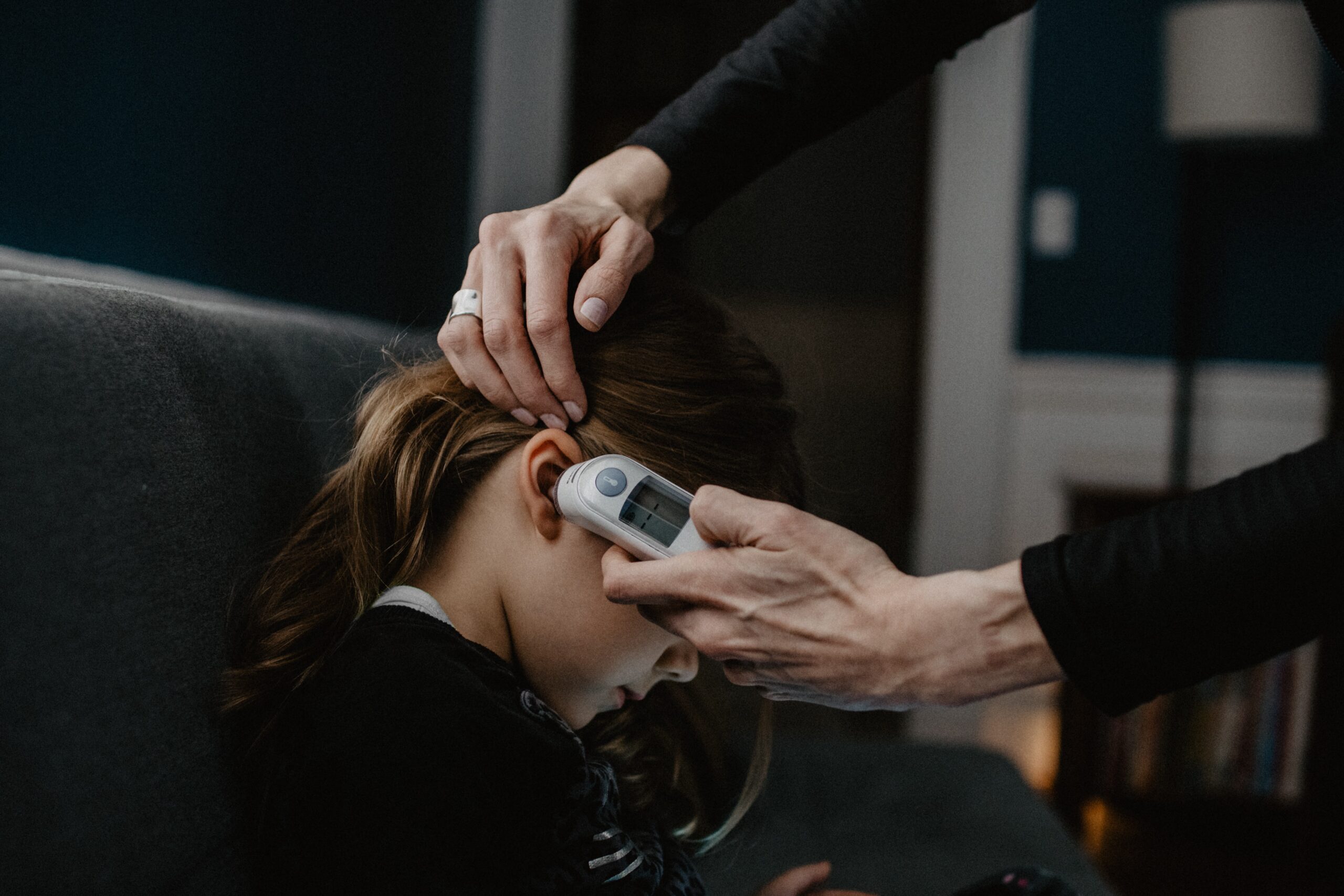
Navigating the Emotional and Practical Steps After a Childhood Head Injury

Every parent knows the heart-stopping panic that follows the sound of a heavy fall. Whether it happens on a soccer field or during an afternoon trip to the local park, seeing your child get hurt is terrifying. When that fall results in a head injury, the fear multiplies exponentially. It can feel incredibly isolating in those first few chaotic hours, but you are far from alone. According to health interview data from the Centers for Disease Control and Prevention, nearly 6.8 percent of children have experienced symptoms of a concussion or brain injury in their lifetime. Surviving those initial moments is just the beginning of a journey that requires both practical advocacy and immense emotional resilience.
Handling the Immediate Medical and Practical Realities
The physical recovery of your child is naturally your first priority. Statistics show that contact sports like football and basketball are responsible for a massive portion of sports-related emergency department visits for youth head trauma. Public playgrounds also pose significant risks, with monkey bars and swings contributing to over half of playground-related brain injuries treated in emergency rooms. Because the stakes are so high, adhering to strict medical guidelines before letting a child return to play is vital. This caution helps prevent Second Impact Syndrome, a rare but catastrophic condition caused by a second impact before the brain fully heals from the first. Parents must carefully monitor their children for ongoing symptoms like persistent headaches, dizziness, severe nausea, or sudden changes in mood and sleep patterns.
Sometimes, these accidents are just unpredictable bumps in the road of childhood. Other times, they highlight severe safety failures. If an injury occurs because a school district failed to supervise students or a sports league ignored safety protocols, the financial burden of long-term neuropsychological therapy can be overwhelming. In these high-stakes situations, speaking with a child brain injury lawyer is an empowering step to hold negligent parties accountable and secure the resources necessary for your child’s recovery. The legal clock for minors is often paused until they turn 18. This gives families time to understand the full scope of the injury before taking action, though claims against government entities like public schools often require much faster notice.
Advocating for Your Child in the Classroom
Once the immediate medical crisis stabilizes, the next hurdle is often the transition back to school. Cognitive recovery requires immense patience and specific accommodations. A brain injury is not like a broken bone. The healing process is invisible to the outside world, which means teachers and peers might not understand why a child is struggling to concentrate or acting out of character. Under federal laws like the Individuals with Disabilities Education Act, traumatic brain injury is a qualifying classification that guarantees a child’s right to a free and appropriate public education.
Parents should take the following steps to protect their child’s educational rights during recovery:
- Request an Individualized Education Program (IEP) to secure specialized instruction tailored to their healing brain.
- Ask for a 504 Plan to mandate environmental modifications, such as extra time on tests, reduced screen time, or quiet spaces to rest.
- Utilize resources like the CDC HEADS UP program, which helps parents, teachers, and coaches spot early signs of lingering brain trauma.
- Connect with the Brain Injury Association of America and their family advocacy programs to ease the stressful transition back into full-time learning.
- Maintain open, daily communication with teachers to track any sudden changes in cognitive endurance or emotional regulation.
Giving Yourself Grace During the Emotional Toll
While you are fiercely advocating for your child, it is crucial not to neglect your own mental health. Medical crises bring a heavy, lingering trauma to the entire household. It is incredibly common for parents to feel entirely depleted, running on adrenaline and fear for weeks or months at a time. You must remind yourself to process your own emotions and accept help when it is offered by friends or family members. Cooking, cleaning, and daily errands can wait while you focus on navigating this difficult chapter.
As parents, we often feel guilty for struggling, but it is completely valid to admit that the mental drain of a family crisis is overwhelming. Just as we must sometimes admit that the daily exhaustion and stress of motherhood can push us to the edge, we must also acknowledge when we need a moment to breathe during a medical emergency. Prioritizing your own emotional well-being is not selfish. It is the only way you can remain a strong anchor for your family. If you are constantly pouring from an empty cup, you will eventually burn out when your child needs you the most.
Navigating the aftermath of a childhood head injury is a daunting path filled with doctor appointments, school meetings, and sleepless nights. By leaning on medical experts, securing the right educational plans, and giving yourself grace during the hardest moments, you can guide your family through the storm. Recovery is rarely a straight line, but with the right support system, both you and your child can move forward safely.