When Workwear Stops Looking Like Workwear
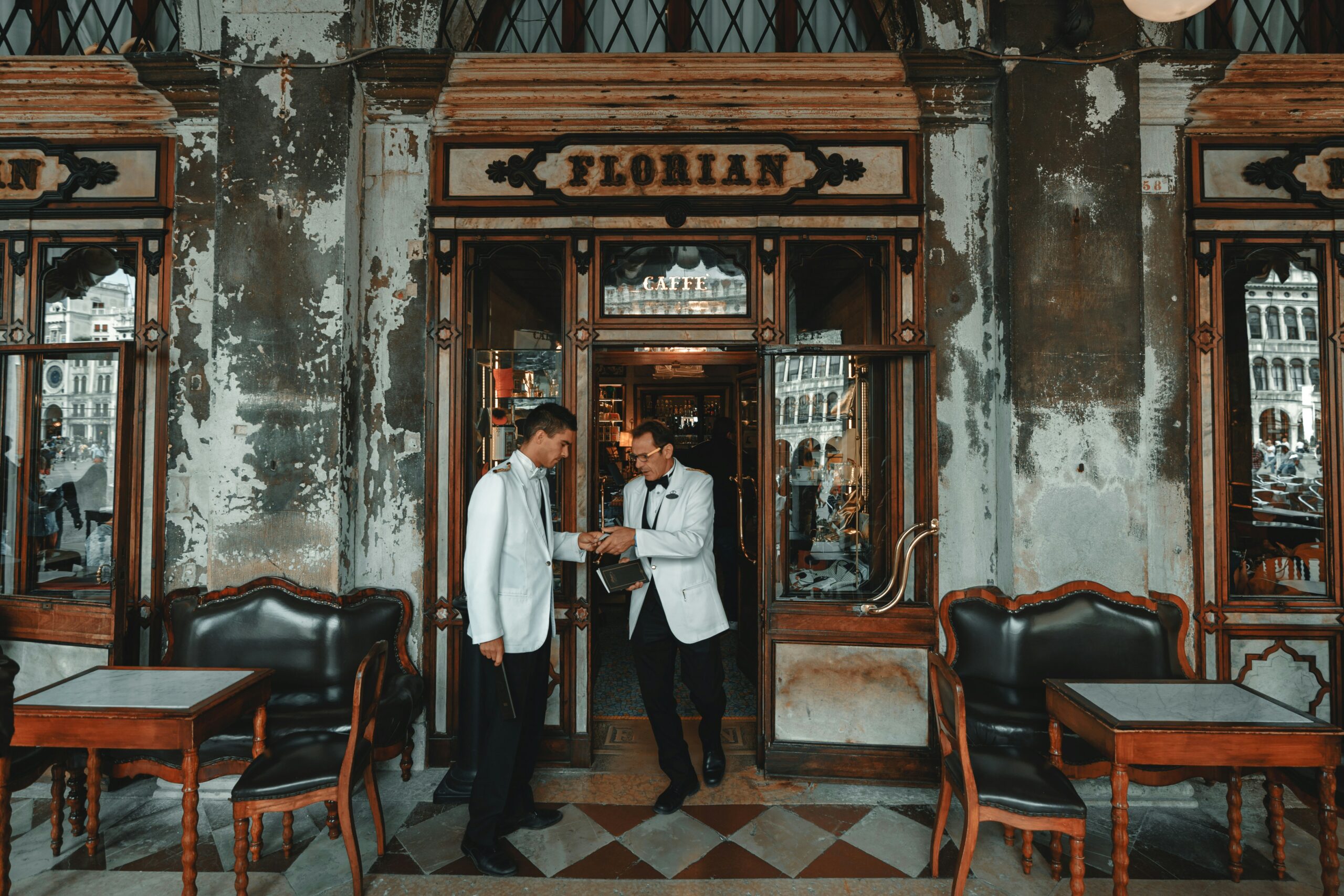 For most of history, clothing clearly separated roles. There were garments for labor and garments for leisure, uniforms for work and outfits for everything else. The distinction made sense because work was physical, environments were specific, and practicality outweighed appearance.
Today, that boundary is fading. Walk through a café, studio, or shared workspace, and you will see clothing once confined to professional settings appearing in everyday life. Aprons worn in home kitchens, structured jackets paired with casual outfits, and utility fabrics styled intentionally. Workwear no longer signals only occupation. It signals mindset.
The shift did not happen suddenly. It grew from a change in how people value effort, skill, and authenticity.
From Protection to Expression
Workwear was designed for a purpose. Durable stitching, reinforced seams, and easy movement existed to support tasks, not aesthetics. Yet the function created a visual language of competence; lean lines suggest readiness, and practical materials suggest reliability.
Over time, those qualities gained meaning beyond the workplace. People began associating the look of workwear with capability rather than labor alone. Wearing it communicates involvement in making rather than observing.
The garment stopped saying “I have a job” and started saying “I do things.”
The Rise of Visible Craft
Modern culture increasingly values process. Cooking, woodworking, tailoring, and other hands-on activities have moved into public view. Social platforms and open kitchens have made the act of making part of the experience itself.
As the process became visible, its clothing followed. Items designed for repeated use, such as chef aprons tailored for restaurant professionals, began appearing in everyday settings because they supported participation. People wanted clothing that allowed activity rather than restricted it.
This is less about fashion adopting workwear and more about lifestyle adopting function.
Comfort and Confidence
Traditional formal clothing often prioritized appearance over movement. Modern life blends tasks throughout the day, making adaptability more valuable than strict presentation.
Workwear naturally suits this environment. It allows bending, carrying, and adjusting without constant awareness. The wearer feels ready rather than careful. That readiness creates a different form of confidence, one based on capability instead of display.
As daily routines became more flexible, clothing followed.
Authenticity Over Ornament
Another reason workwear blends into everyday wardrobes is trust. Practical garments suggest honesty. They appear chosen for usefulness rather than attention.
In an environment saturated with fast-changing trends, items designed for repeated use feel grounded. They communicate stability. People recognize that the wearer values activity over performance, and that perception has cultural appeal.
The aesthetic is a by-product of purpose.
Spaces Changed First
Open kitchens, collaborative offices and creative studios reduced separation between working and social spaces. Once environments merged, wardrobes did too.
Clothing needed to function across roles: preparing food, meeting people, travelling, and relaxing. Workwear adapted easily because it was already built for movement and durability.
The more life became multi-purpose, the more single-purpose clothing felt unnecessary.
The New Meaning of Professional
Professional appearance used to imply distance from labor. Now it often implies competence within it. Customers trust visible preparedness, and guests appreciate seeing effort. Makers take pride in a visible process.
Workwear fits this new definition naturally. It reflects involvement rather than hierarchy. The wearer looks prepared to contribute, not just supervise.
A Style That Lasts
Unlike trend-driven fashion, workwear changes slowly because its design responds to function. That stability makes it appealing in an era of constant updates. Items remain relevant because their purpose remains relevant.
The result is a wardrobe category that moves easily between environments, and a garment can belong in a kitchen, a studio, or a social setting without contradiction.
Workwear stops looking like workwear when society stops separating doing from living, as people value participation more openly, clothing that supports activity becomes normal attire.
It no longer signals a job alone.
It signals readiness.
Readiness, more than decoration, has become a modern form of style.