
How Video Games Can Provide Relaxation, Connection, and Emotional Recovery
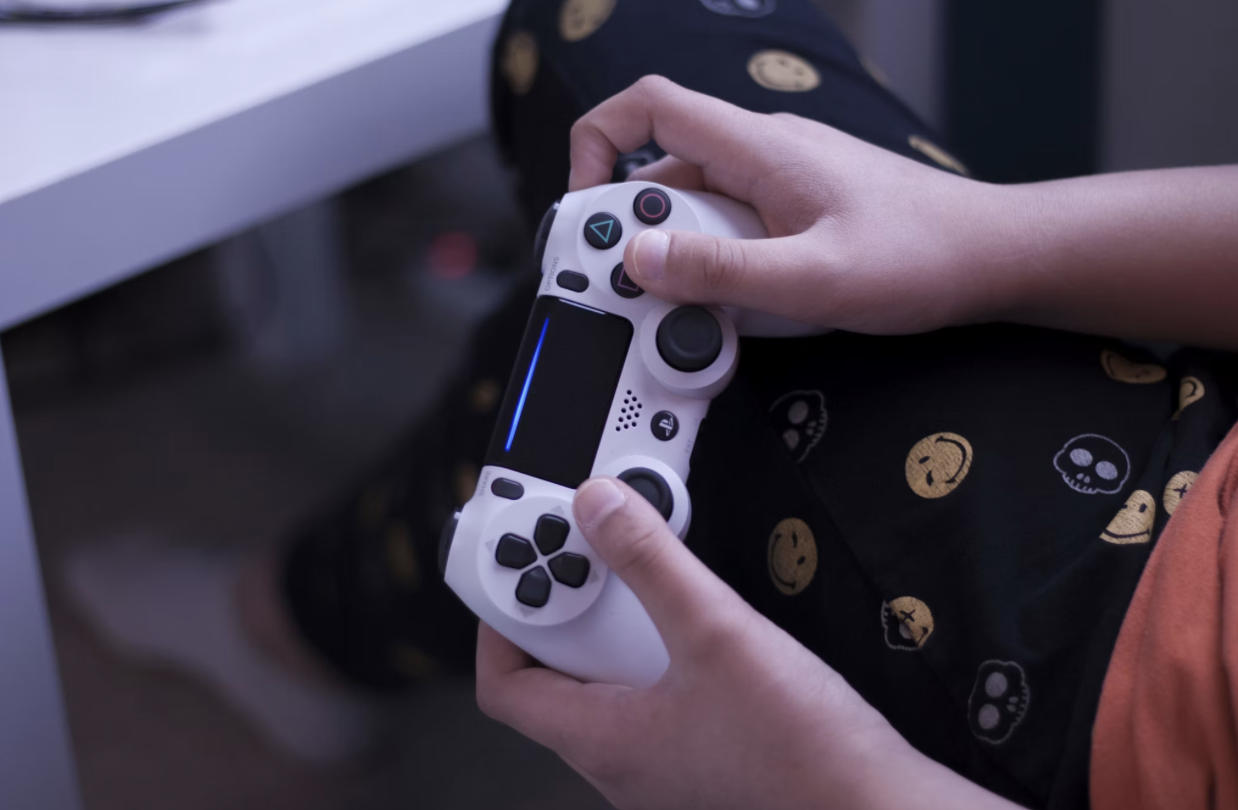
For decades, society has pushed an outdated myth that playing video games is nothing more than a mindless distraction or a complete waste of precious time. Many people still believe that true self-care only looks like reading a book, going for a nature walk, or meditating in silence. However, modern psychology paints a very different picture.
Today’s video games offer beautifully crafted virtual worlds, soothing daily routines, and welcoming spaces that feel like a breath of fresh air for a tired mind. When approached with intention and purpose, video games offer profound psychological benefits. They give your overworked brain a healthy, much-needed break from daily anxieties and mounting stress. They help you build genuine, lasting friendships with people you might never meet otherwise.
Ultimately, modern gaming serves as a valid, powerful tool that actively supports your emotional recovery after tough days, proving that play is an essential part of a wonderfully healthy adult life today.
Unwinding Your Mind: Gaming for Stress Relief
When you feel completely exhausted after a long day, your first instinct might be to scroll endlessly through social media or binge-watch television. While these activities feel easy, they are entirely passive and often leave you feeling more drained than before.
Gaming, on the other hand, provides active brain rest. By requiring just enough focus and attention to solve a puzzle or navigate a map, a game actively prevents your mind from wandering back to real-world worries. This deep immersion naturally leads to a “flow state,” a psychological zone where you lose track of time and your overthinking mind finally quiets down. If you read a Liven app review, you will quickly notice how many people actively seek out gentle, engaging daily routines to manage their anxiety and track their moods.
Cozy, low-stress games focused on building, farming, or exploring offer this exact type of soothing, predictable routine. They lower your heart rate, reduce stress hormones, and bring instant calm to your nervous system.
Finding Friends and Community Online
Beyond personal relaxation, gaming is one of the most effective modern ways to build and maintain social connections. In a world where people frequently feel isolated and disconnected, multiplayer games bring individuals together, helping friends stay close no matter the physical distance between them. Whether you are catching up over a casual digital farming session or completing a shared mission, these interactions combat feelings of deep loneliness in a highly engaging, cooperative way.
Furthermore, gaming groups provide a vital place to belong. Online communities make it incredibly easy to find people who share your exact interests, offering a welcoming space where you can express yourself openly without fear of judgment. There is a unique bonding power in shared triumph. When you communicate effectively to solve a complicated puzzle or defeat a difficult level with a team, you build strong emotional bonds, shared joy, and a deep sense of camaraderie that translates into real-world friendship.
Healing Through Stories and Games
Video games are also a deeply emotional medium, perfectly capable of helping players process complicated feelings. Unlike movies or books where you simply watch a character’s journey unfold, games make you an active participant. This interactivity creates a secure way to experience and process heavy emotions like grief, hope, fear, and courage.
Through interactive storytelling, you can explore complex human themes in a safe environment where your choices actually matter and influence the outcome. Moreover, games are fantastic for helping you get your confidence back. When real life feels chaotic, uncontrollable, or overwhelming, accomplishing small, clear goals in a virtual world restores your fundamental sense of agency.
Checking off tasks, leveling up a character, or organizing a digital home gives you a tangible feeling of success. This makes gaming an incredibly healthy break to recharge. It acts as a gentle reset button, allowing you to rest your mind fully before facing tough situations again.
How to Play Games Mindfully
To get the absolute most mental health benefits from gaming, it is important to practice mindful play. This journey starts with picking the right game for your current mood. If you already feel highly stressed and overwhelmed from a long workday, diving into a fiercely competitive, fast-paced action game might only spike your adrenaline further. Instead, match your gameplay to your emotional needs by choosing a peaceful, slow-paced game to help you properly decompress.
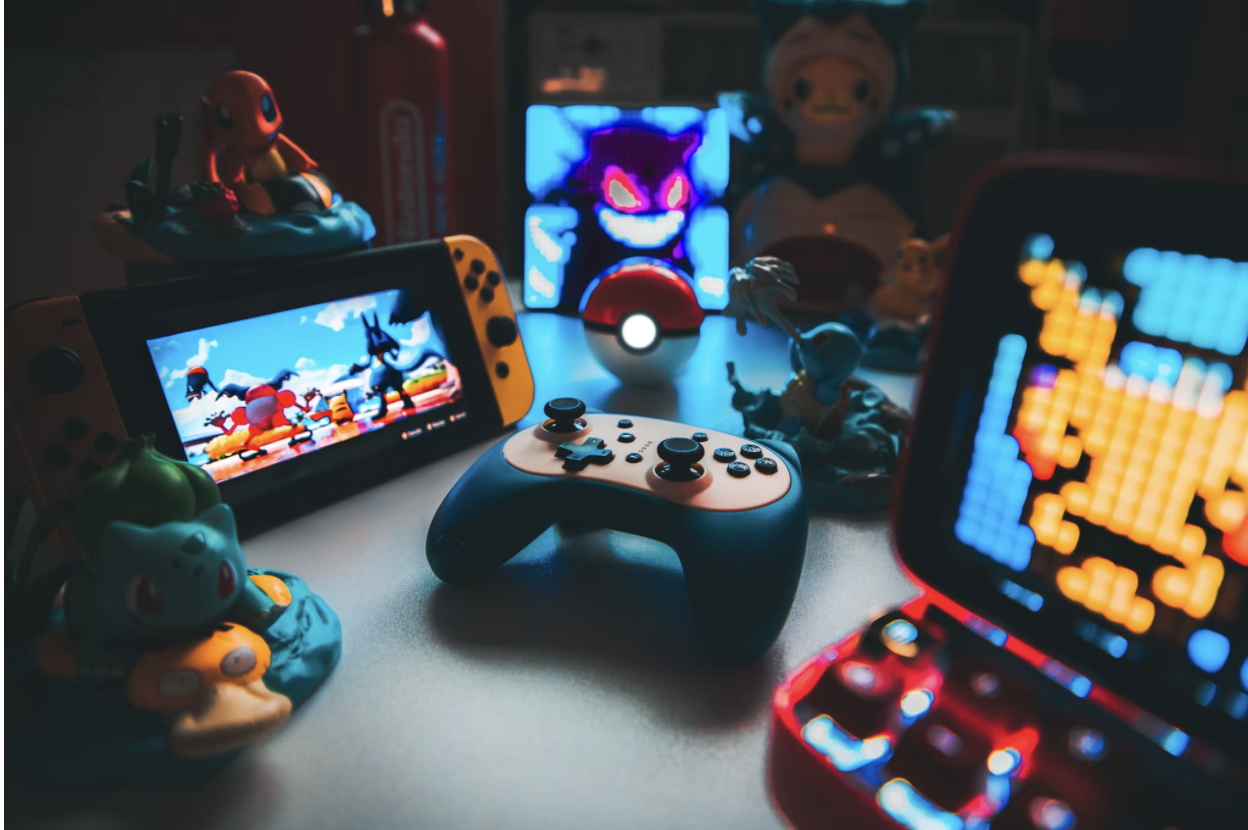
Additionally, you must set good boundaries. Enjoying gaming as a healthy hobby means playing with clear intention, rather than using it as a permanent way to avoid your real-world responsibilities. Pay close attention to how different games actually make you feel while you play them. If a game leaves you feeling frustrated, tense, or angry, it might be time to switch to something softer. By noticing your emotional reactions, you can make intentional choices that leave you feeling genuinely refreshed.
Pressing Pause to Feel Better
It is finally time to permanently let go of the unnecessary guilt associated with playing video games. Gaming is not a childish habit; it can be a wonderful, highly valid tool for adult self-care, deep mental rest, and meaningful human connection. Everyone needs dedicated time to play, and modern video games offer a creative, engaging way to fulfill that basic human need while simultaneously recharging your emotional battery.
The next time you feel overwhelmed by the heavy demands of daily life, do not hesitate to step into a virtual world for a little while. Pick up a relaxing simulation game or invite a friend to play a cooperative adventure this weekend. Give yourself full, unapologetic permission to press pause on your daily real-world stress, dive headfirst into a colorful digital space, unwind your tired mind, and beautifully reconnect with your innate sense of joy.


