What to Know When Exploring Modern Cannabis Genetics and Varieties
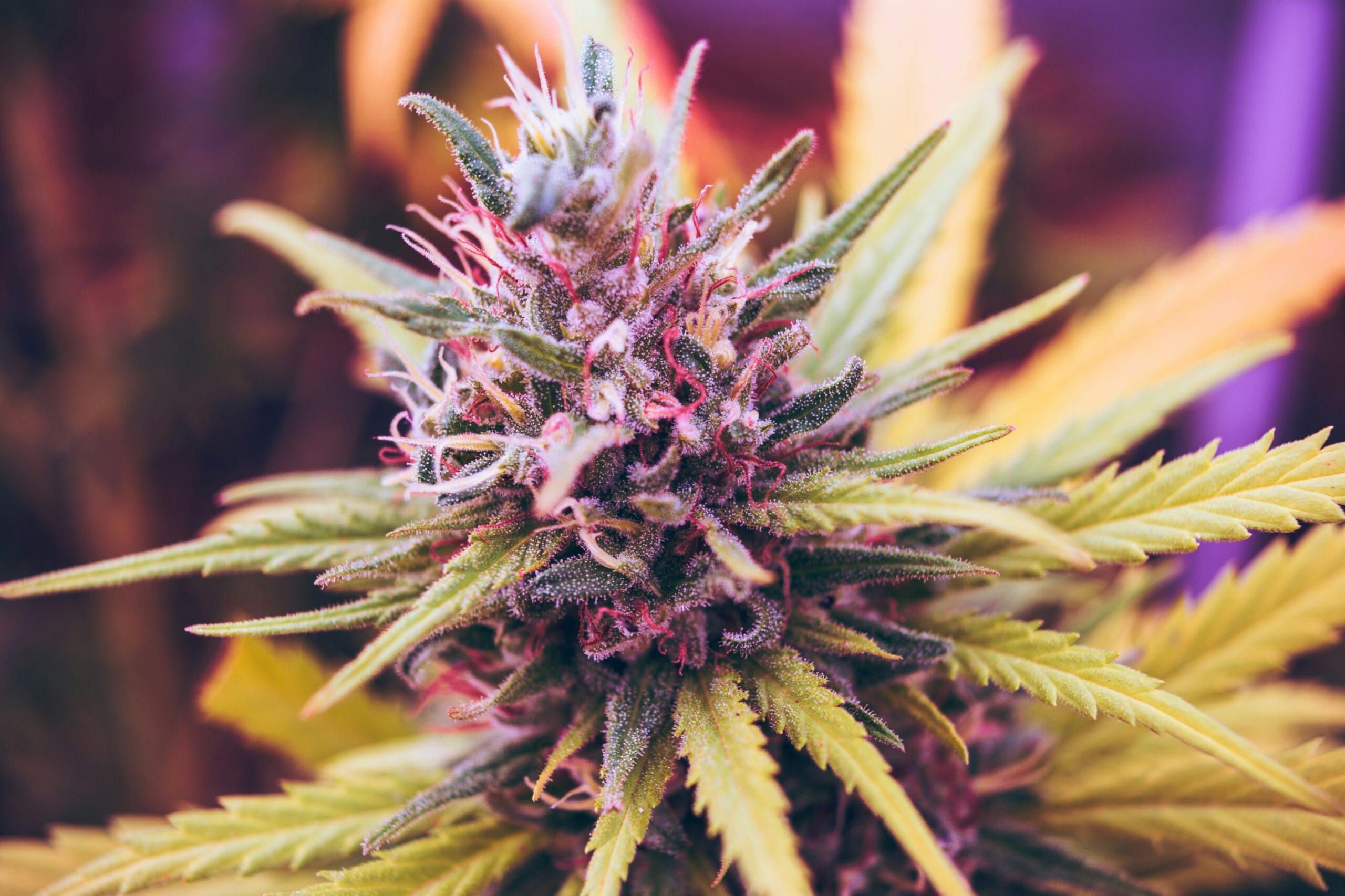
What actually makes one cannabis variety different from another? In Australia, conversations around cannabis genetics often begin with familiar terms such as Sativa, Indica, and hybrid, but modern genetics is considerably more complicated than those labels suggest. A variety’s characteristics can be influenced by its ancestry, cannabinoid production, terpene profile, and selective breeding history.
Understanding those differences makes it easier to look beyond a catchy variety name and understand what the genetics actually tell you. It also helps separate measurable characteristics from assumptions that have become common through years of cannabis marketing and popular culture.
Cannabis Genetics Are More Complicated Than Sativa vs. Indica
Sativa and Indica are probably the two most familiar cannabis classifications, but they should not be treated as completely separate genetic categories.
Modern breeding has created significant genetic overlap between varieties. Many contemporary cultivars have mixed ancestry, meaning a label such as Sativa or Indica may describe general characteristics without revealing the complete genetic background.
Research published in Nature Plants illustrates this clearly. Researchers analysed 297 Cannabis samples, combining genetic data with measurements of cannabinoids and terpenes. Their findings showed that Sativa- and Indica-labelled samples were not genetically distinct across the genome, although certain terpene variations were associated with those labels.
That distinction matters because a familiar label can be useful shorthand, but it is not necessarily a complete genetic description.
What Cannabis Genetics Actually Influence
Genetics provide the biological foundation for many characteristics associated with a cannabis variety. These include both physical traits and chemical composition.
Some important areas include:
- Cannabinoid production: Genetic differences can influence compounds such as THC and CBD.
- Terpene production: Genetics affect the enzymes involved in producing aromatic compounds.
- Physical characteristics: Plant structure and other visible traits can vary according to genetic background.
- Chemical profiles: Varieties carrying similar names may still differ in their cannabinoid and terpene composition.
- Ancestry: A variety’s genetic lineage can help explain why it has particular characteristics.
This is why genetics are more useful when considered as a collection of traits rather than as a single Sativa or Indica label.
Why Terpenes Matter
Terpenes are an important part of the genetic picture because they contribute to the aroma and flavor characteristics associated with different cannabis varieties. Their production is influenced by specific genes, and variation in those genes can contribute to differences between cultivars.
The Nature Plants research found associations between the Sativa–Indica labels and variation in several terpene compounds.
That does not mean one terpene can define an entire genetic category. Instead, it demonstrates that some characteristics traditionally associated with cannabis labels can have measurable chemical and genetic patterns behind them. For anyone exploring modern varieties, this makes terpene information more useful than relying solely on a broad classification.
Hybridization Has Changed Modern Cannabis Genetics
Modern cannabis varieties are often the result of extensive breeding and hybridization. Instead of belonging neatly to one genetic group, many cultivars contain ancestry from multiple backgrounds.
This creates a much broader genetic spectrum and helps explain why the term “hybrid” is so common. Selective breeding can combine different characteristics, producing varieties with particular combinations of physical and chemical traits. It also means that two varieties described using the same broad category can still be quite different genetically. Their ancestry, breeding history, and selected characteristics all contribute to their individual identity.
Why Variety Names Don’t Tell the Whole Story
A variety name can help identify a cultivar, but it should not automatically be treated as a guarantee of identical genetics or chemistry.
Names may be used differently by different producers, breeding lines can change, and commercially available varieties can have varying backgrounds. Looking beyond the name can therefore provide a much clearer picture. When researching a variety, useful information can include:
- documented genetic lineage
- cannabinoid characteristics
- terpene information
- laboratory data where available
- clear descriptions of physical traits
- distinction between measured information and subjective claims
The more specific and transparent the information is, the easier it becomes to understand what actually makes one variety different from another.
Looking at Named Varieties Through a Genetics Lens
This is where terms such as Super Boof genetics can become useful when they are discussed as part of a wider conversation about cultivar identity. For example, Sigma Seeds Australia presents Super Boof as a particular genetic variety rather than simply relying on broad Sativa or Indica terminology. Looking at a named cultivar this way encourages a more useful question: what characteristics, ancestry, and breeding history are associated with this particular variety?
That approach provides more context than assuming a variety’s name alone explains its characteristics. It also fits with the broader direction of cannabis research, which increasingly examines specific genetic and chemical traits rather than relying entirely on traditional categories.
Genetics Don’t Automatically Predict Individual Effects
Another common misconception is that genetic labels can tell you exactly how a person will experience a particular cannabis variety.
That is much too simple. Genetics can influence chemical composition, and chemical composition can contribute to differences between varieties. However, individual responses can vary, and a label such as Sativa or Indica cannot reliably predict the same experience for everyone.
It is therefore useful to distinguish between genetic characteristics, chemical composition, and individual experience. Keeping those concepts separate makes descriptions more accurate and avoids turning broad trends into universal rules.
What to Consider When Comparing Cannabis Varieties
If you’re researching different cannabis genetics, a few basic questions can help you assess the information more carefully:
- Is the genetic lineage documented?
- Are cannabinoid and terpene characteristics described separately?
- Is laboratory information available where relevant?
- Are measurable facts separated from subjective descriptions?
- Does the information acknowledge genetic variation?
These questions can help you move beyond marketing terminology and focus on information that actually tells you something about a variety.
It is also important to remember that cannabis laws vary significantly between jurisdictions. In Australia, the Australian Institute of Health and Welfare reported that 11.5% of people aged 14 and over had used cannabis in the previous 12 months in 2022–2023. Genetic information does not change the legal requirements surrounding cannabis, so readers should always check the rules applicable to their location.
Why Modern Cannabis Genetics Are Worth Understanding
Modern cannabis genetics is ultimately about looking beyond simple categories. Sativa, Indica, and hybrid remain familiar terms, but they represent only part of a much broader picture involving ancestry, selective breeding, cannabinoids, terpenes, and genetic variation.
As research becomes more detailed, understanding these individual factors provides a more accurate way to explain why varieties differ. It also helps readers distinguish between documented characteristics and assumptions that have developed around traditional cannabis terminology.
Conclusion
Exploring modern cannabis genetics means looking beyond a variety’s name and asking what its genetics, ancestry, and chemical characteristics actually tell us. Traditional Sativa and Indica labels can provide context, but research shows they do not necessarily represent completely separate genetic groups.
By considering lineage, cannabinoids, terpenes, breeding history, and reliable research together, it becomes much easier to understand what makes modern cannabis varieties distinct without reducing a complex genetic landscape to a simple label.