What Are Feminized Cannabis Seeds and Why Are They Popular?
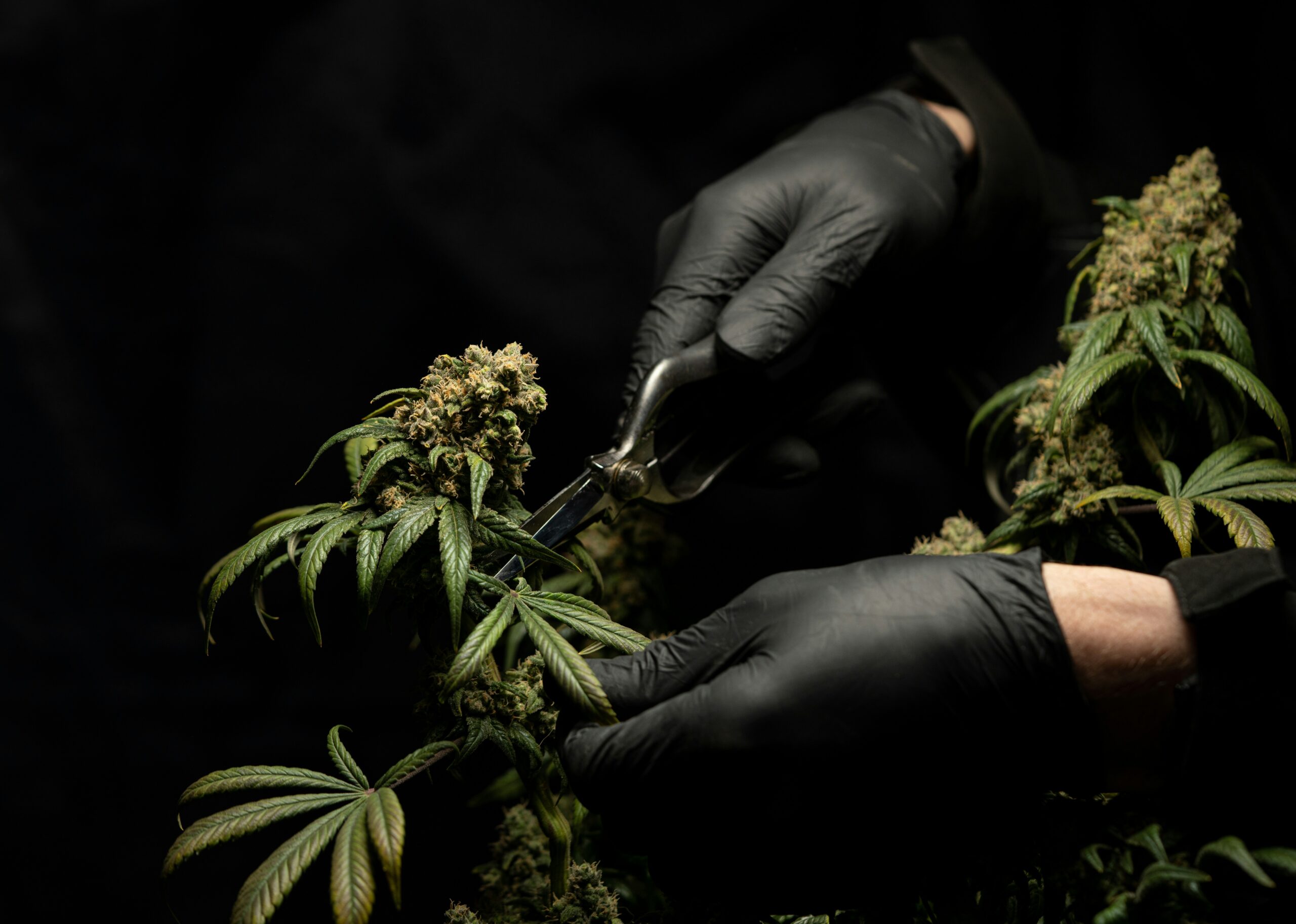
Not all cannabis seeds are the same, and one of the most important distinctions is whether they are regular or feminized. But what exactly makes a seed “feminized,” and why has this type become so widely discussed in cannabis genetics? The answer comes down largely to plant sex and predictability. Feminized cannabis seeds are developed through breeding techniques intended to produce predominantly female plants, making them different from regular seeds, which can produce either male or female plants.
Understanding this distinction provides a useful foundation for anyone learning about cannabis genetics, seed terminology, or how different types of seeds are described. It also helps put claims about feminized seeds into perspective, including what the term does, and does not, actually tell you.
What Are Feminized Cannabis Seeds?
Feminized cannabis seeds are seeds developed through breeding techniques intended to produce plants that are overwhelmingly female. In cannabis, female plants are generally associated with the production of flowers that contain cannabinoids and aromatic compounds. By comparison, regular cannabis seeds may produce either male or female plants. This means that growers cannot know the plant’s sex with the same level of predictability at the seed stage.
Feminized seeds are therefore popular because they offer greater consistency in terms of expected plant sex. However, the term does not mean that every seed is guaranteed to produce a female plant. Genetics, breeding quality, environmental stress, and other factors can affect the final result.
How Are Feminized Seeds Different From Regular Seeds?
The main difference is the expected likelihood of plant sex. Regular seeds can develop into male or female plants. Feminized seeds, on the other hand, are produced using breeding methods designed to reduce the likelihood of male plants appearing.
The distinction can be summarized through a few key points:
- Regular seeds: May produce male or female plants.
- Feminized seeds: Are developed to produce predominantly female plants.
- Predictability: Feminized seeds offer greater consistency at the planning stage.
- Breeding process: Feminization involves controlled breeding techniques rather than simply selecting larger or healthier seeds.
- Guarantee: Feminized does not mean completely risk-free or genetically identical.
This difference is particularly relevant when discussing production planning, resource allocation, and quality control. It can also be useful for corporate training teams preparing educational content for employees in cannabis-related businesses.
Why Are Feminized Seeds Popular?
The popularity of feminized seeds is linked mainly to predictability and planning. Producing plants with a more consistent expected sex can simplify certain aspects of crop management and reduce uncertainty.
Several factors help explain their appeal.
Greater Planning Consistency
When the expected proportion of female plants is higher, businesses and growers can plan space, equipment, labor, and other resources with greater confidence. This does not remove every variable, but it may make planning more straightforward.
Reduced Uncertainty
Regular seeds may produce male plants that were not part of the original production plan. Feminized seeds are designed to reduce that uncertainty, which can be valuable in operations where consistency is important.
Easier Educational Communication
The term “feminized” gives learners a clear starting point when they are introduced to cannabis genetics. Training materials can use the concept to explain plant sex, breeding, genetic variation, and the limits of product descriptions.
More Consistent Product Expectations
Feminized seeds are often marketed to people seeking a more predictable starting point. However, the final characteristics of a plant or product still depend on genetics, environmental conditions, handling, and other factors.
What Does “Feminized” Actually Tell You?
Although the term provides useful information, it does not describe every aspect of a cannabis variety. Feminization refers primarily to the expected sex of the resulting plant. It does not automatically confirm the plant’s cannabinoid profile, terpene content, growth pattern, or final quality.
A product description may include several separate details, such as:
- Genetic background: The variety’s stated lineage or breeding history.
- Expected plant sex: Whether the seeds are regular or feminized.
- Chemical characteristics: Information about cannabinoids and terpenes.
- Physical traits: Descriptions of plant structure, flowers, or aroma.
- Breeding information: Details about how the variety was developed.
- Testing information: Any available evidence supporting the description.
These details should not be treated as interchangeable. A feminized seed may still have considerable genetic variation, and a product label alone cannot verify every characteristic.
Understanding Product Descriptions and Seed Banks
Product descriptions can be useful starting points, but they should be read carefully. Buyers, researchers, and training professionals should distinguish between documented information, general descriptions, and claims that have been independently verified.
For those researching Fat Bastard cannabis seeds, information from an established seed bank may provide useful context about the variety’s stated genetics, background, and product description. According to the team at Sacred Seeds, product information can help readers understand how a particular variety is described and categorized. However, descriptions should be considered alongside independent evidence, applicable laws, and any available testing information.
This distinction is especially important when developing corporate training content. Employees should understand that product names and marketing language do not replace legal guidance, safety procedures, or verified technical information.
What HR and Corporate Training Teams Should Know
Cannabis-related terminology may appear in training programs for businesses involved in agriculture, retail, research, manufacturing, logistics, or workplace compliance. HR professionals do not necessarily need to teach employees how cannabis is produced, but they may need to explain relevant policies and responsibilities.
Useful training topics can include:
- Workplace impairment: Employees should understand that working while impaired can create safety risks.
- Safety-sensitive duties: Policies may need to address driving, machinery, hazardous materials, and other high-risk tasks.
- Legal requirements: Rules relating to cannabis vary by location and industry.
- Confidentiality: Employee disclosures about medical treatment or personal circumstances should be handled appropriately.
- Clear communication: Training should use accurate, neutral language rather than assumptions or stigma.
- Policy consistency: Workplace rules should be applied fairly and explained in an understandable way.
The National Institute for Occupational Safety and Health reported that past-month cannabis use among workers in 15 U.S. states was 10.7% during the 2016–2020 survey period. The figure highlights why employers may need clear, evidence-based policies rather than relying on assumptions about cannabis use.
Are Feminized Seeds Completely Reliable?
Feminized seeds are designed to improve predictability, but they should not be viewed as an absolute guarantee. Breeding quality, genetic stability, environmental stress, and inaccurate product information can all affect expectations.
It is also important to avoid assuming that two products with similar names will have identical characteristics. The same variety name may be used in different contexts, while growing conditions and post-harvest handling can influence the final result. For this reason, responsible educational content should explain both the benefits and the limitations of feminized seeds. Clear wording helps readers understand what the term means without overstating what it can prove.
Conclusion
Feminized cannabis seeds are popular because they are developed to produce predominantly female plants, offering greater predictability than regular seeds. Their value, however, extends only to the information the term actually provides. “Feminized” describes expected plant sex, not every aspect of genetics, chemical composition, quality, or final performance.
For consumers, researchers, HR professionals, and corporate training teams, the most reliable approach is to use clear terminology, check credible information, and consider the legal and workplace responsibilities connected with cannabis-related activities.