7 Ways to Calm Your Overstimulated Toddler

An overstimulated toddler can feel like negotiating as if your life depends on it – and in most cases, your mental health does!
Toddlers exhibit behavior that our parents would have labeled as a tantrum back in the day. Overstimulation is the body’s response to excess activity or stimuli – every child has different capacities and limitations.
Any child can experience overstimulation, but children with anxiety or autism can be more prone to it. Many contributing factors are involved, including whether or not they have eaten or slept enough.
Multiple variables can cause an episode, so work on figuring out your toddler’s triggers.
Below are seven tips to help calm your toddler down when they are overstimulated:
1. Deep Breathing
When your toddler is revving at a hundred miles an hour, teaching them deep breathing exercises can help slow them down.
Deep breathing is known to help impulsive toddlers learn how to self-soothe whenever they are frustrated or mad. That is a skill that will serve them throughout their lives.
This technique works best on toddlers over the age of 2. Practicing it yourself should spark their curiosity, and then you can show them how to do it.
2. Cool Off
A gentle splash of water may help them keep their cool.
Apply a cold, wet facecloth gently to their face. Cooling their temperature can help calm their breathing by slowing their heart rate.
Test this out on your toddler before adding it to your parenting hacks – it works better on some kids than others.
If you do not have a facecloth nearby, dip your fingers in cold water and gently trace around their face.
3. Apply Pressure
Deep pressure therapy involves a firm touch that provides proprioceptive information to the whole body. Put simply, applying pressure to your toddler’s muscles and joints (in the correct manner) can calm them down.
The same principle applies to babies; it is why they get swaddled. The same can be achieved through hugging and squeezing. When provided properly, the deep pressure technique has a calming effect on your high-need child’s central nervous system.
4. Candles
Candles can help soothe your overstimulated toddler by creating a relaxing atmosphere.
They help improve moods by reducing stress and anxiety – and they can smell amazing! Use glow candles to help create a peaceful and calm environment.
When your toddler notices the calm feeling around them, they will relax and quiet down.
5. Soft Music
Music and lullabies are helpful tools for calming and regulating your toddler’s emotions.
They distract your little while facilitating the release of feel-good chemicals in the brain.
Music is one of the most effective tools for all children as it teaches them to manage their emotions healthily and positively.
Choose quiet, soothing songs to help relax your toddler.
6. Engage The Senses
If your toddler is anxious, angry, or upset, engaging in sensory play can help.
Children (including toddlers) have sensory processing needs, and providing that input can help calm them. When utilized frequently, sensory play can help your toddler become less fidgety and more self-regulated.
Go for a walk, offer them a tight hug, or roll a foam roller on their back and limbs while they lay on their belly.
Exercises involving tactile senses work well because they take their mind off the overstimulation and help them center themselves again.
7. Dim The Lights
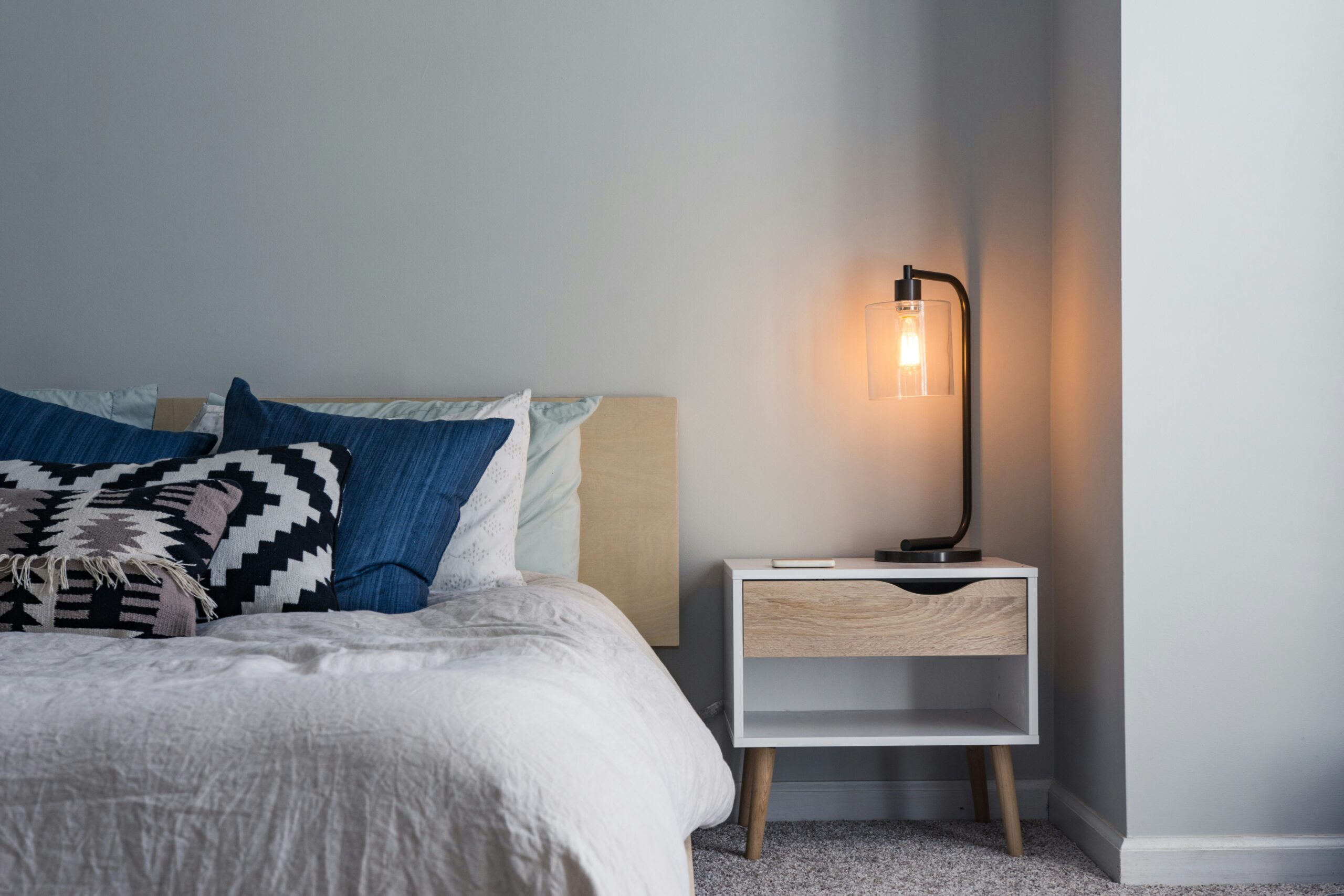
Dimming the lights is often one of the most effective techniques for helping to calm an overstimulated toddler.
For the most part, overstimulation can occur for multiple reasons, but when toddlers are tired, they are prone to voicing their unhappiness. Use dimmable lights in their room to help create a calming environment.
Support your toddler’s sensory integration processing needs by decreasing visual stimulation when they need it most.
In Conclusion
If your little one’s behavior escalates and becomes more extreme, like yelling or thrashing on the ground, or if they start engaging in violent behavior towards themselves or others, it is worth consulting an expert.
When the neurotypical techniques do not help, that could be an indication of something more going on inside your little one’s body or mind.
This escalated behavior is what happens when the culmination of the external stimuli becomes too much for your toddler to handle, and their acting out is largely an involuntary response.
Getting them the help they need should be your top priority. Rest assured that you are not alone. All parents go through the same stages with their children – it is all part of growing up.