What To Do If Someone Has A Heart Attack
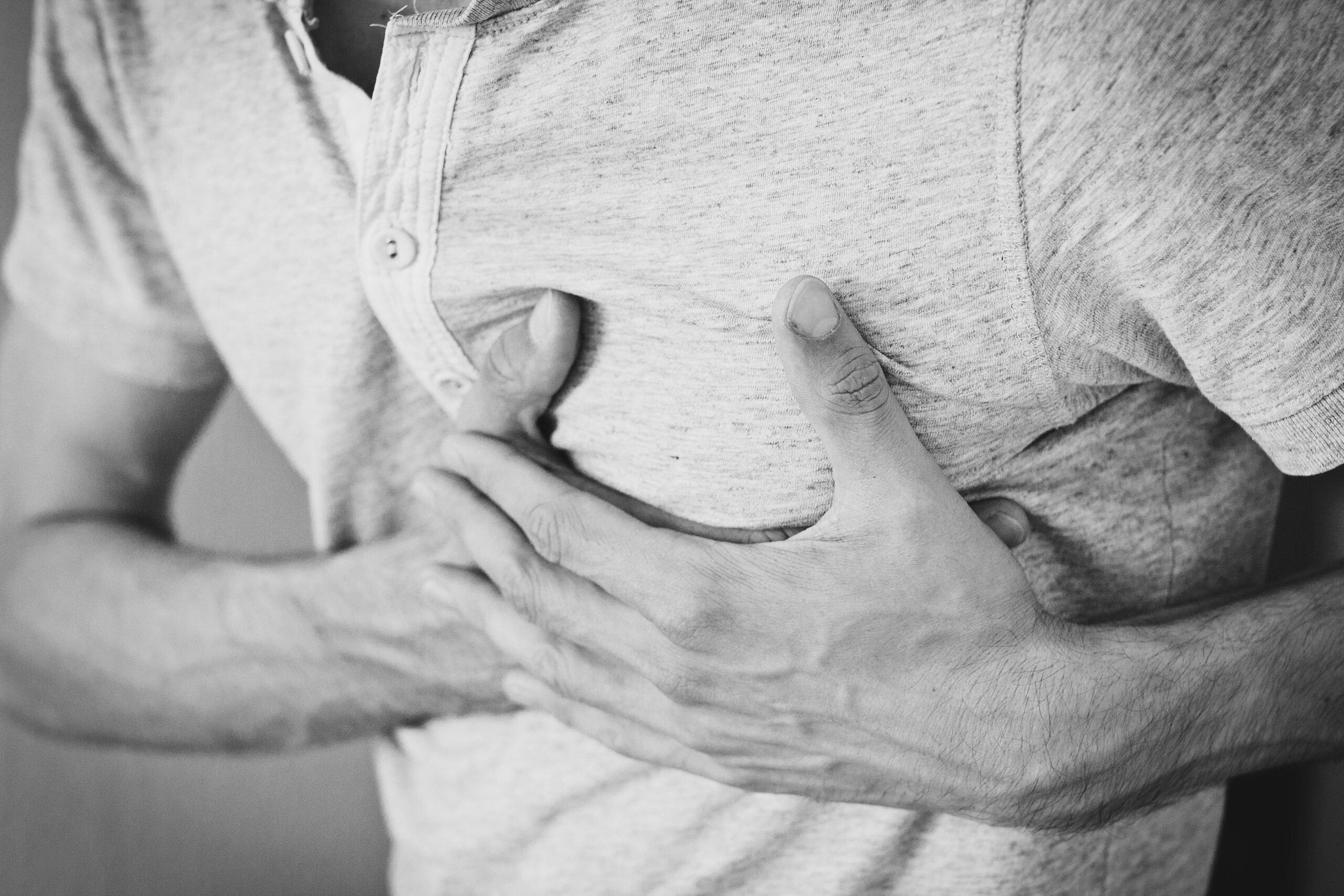 If someone was experiencing a heart attack, would you know how to respond? Heart attacks are very common – there are about 100,000 hospital admissions every year in the UK related to heart attacks. While most of us associate a heart attack with death, 7 out of 10 people who have a heart attack survive. It all comes down to how fast a person is able to get treatment. Below are a few steps for treating someone who is experiencing a heart attack.
Know the signs
There are a few telltale signs that someone is having a heart attack. This includes:
- They start complaining of chest pain or a pain leading to the arms (usually the left arm) or other part of the body.
- They start to get light headed and dizzy and have to sit down.
- They start sweating profusely.
- They are experiencing shortness of breath or nausea (more common in women)
While most people experience intense pain during a heart attack, not everyone does and some people may only experience a slight pain similar to indigestion. Most people get a sense and will make it clear that something is wrong.
Call 999
As soon as someone starts experiencing a heart attack, you should call 999. Paramedics will often prioritise a heart attack over other types of incident. Don’t attempt to drive them to the hospital – you need to be able to attend to them if they lose consciousness, plus it’s better that they rest.
Get them to rest
The person having a heart attack should sit or lie down if possible. This prevents any extra strain on the heart. You should help the person having a heart attack to reach somewhere that they can rest.
Give them an aspirin
Aspirin helps to thin the blood and can improve blood flow to the heart. Providing the person isn’t allergic, you should try to get them to take some aspirin as this should help keep them from going into cardiac arrest until the paramedics arrive. Encourage them to chew on the tablet rather than swallow it whole.
Know when to practice CPR
A heart attack can sometimes lead to cardiac arrest. This is when the heart stops beating altogether. At this stage, a person will usually lose consciousness and stop breathing. Knowing how to perform CPR could be essential if this occurs – this is a means of getting oxygen back into the body and manually encouraging blood flow via chest compressions.
There are many videos on how to perform CPR online. However, one of the best ways to learn CPR is to take an accredited test – you can take a test now online. This will teach you exactly how to do it so that you do it properly.
Even if you are unsuccessful at resuscitating the person experiencing a heart attack, CPR could help to increase their chances of resuscitation when the paramedics arrive. All in all, it’s a vital skill to have.
Be wary that some workplace buildings may own an automated external defibrillator (AED). Use this if it is available. Where the AED lives affects how fast it reaches the patient. Larger workplaces, gyms, schools, and community venues increasingly install a wheeled emergency cabinet rather than a fixed wall mount — meaning the device can be pushed to the incident on castors instead of someone needing to run back and forth from a distant storage point. In cardiac arrest, seconds saved translate directly into survival odds.
Stay calm
A heart attack may seem like the perfect time to panic, however you should try to stay as calm as possible – both so that you can keep a clear head and so that you don’t further stress out the person having a heart attack. Focus on providing the necessary help and try to reassure the person having a heart attack that they will be okay.