What the Fruits of the Holy Spirit Teach About Raising Children
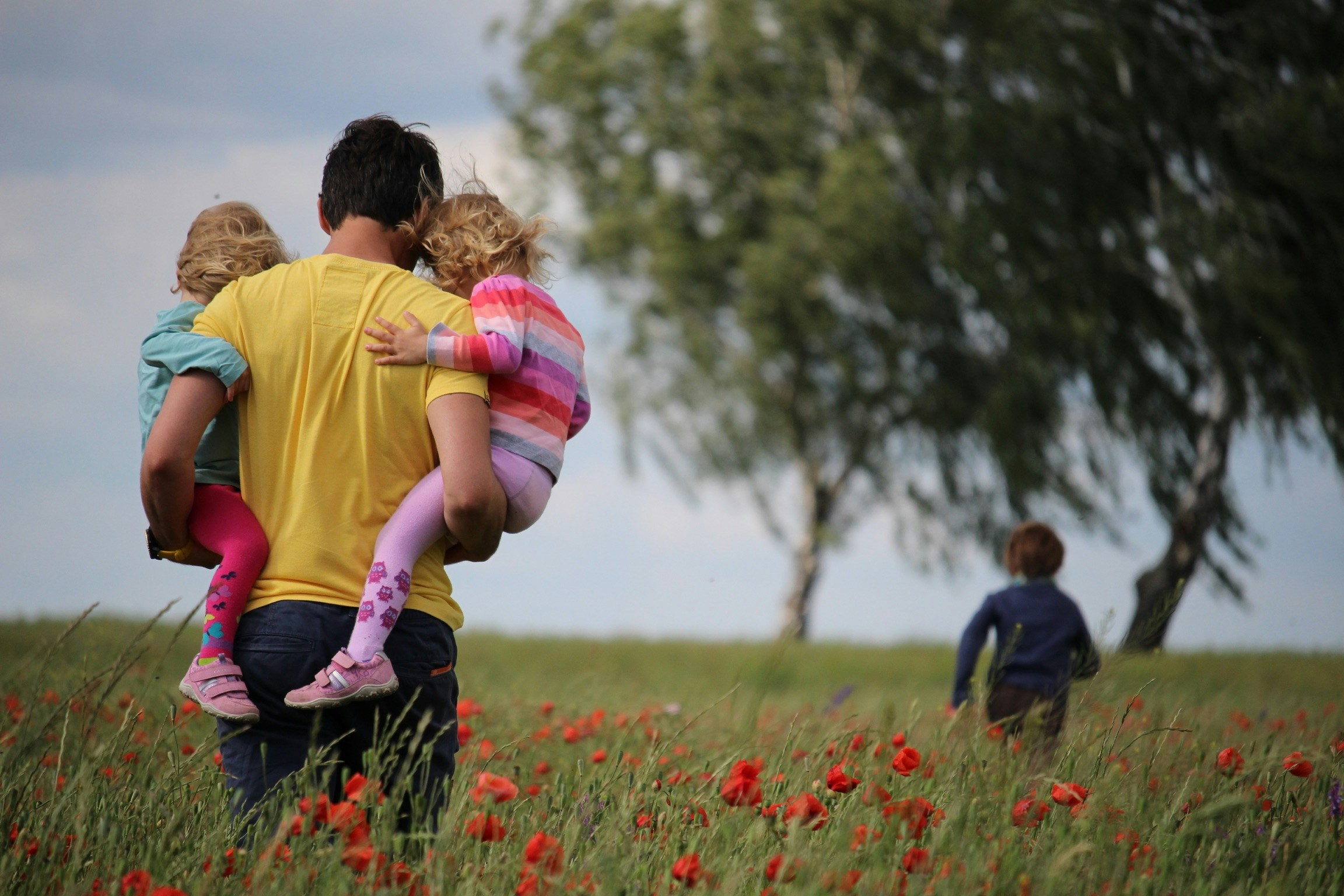
Somewhere between reading yet another parenting article and living through an actual meltdown at bedtime, most parents realize the gap between advice and application is wider than anyone admits. Discipline strategies come and go, but the deeper question, what kind of character are you actually trying to build, tends to get lost in the daily scramble of managing behavior.
The Fruits of the Holy Spirit offer something different from a typical parenting technique. They describe nine specific qualities that, taken together, shape not just how a parent responds to a child’s behavior, but the kind of character a parent hopes to model and eventually see reflected back. Understanding what each one actually teaches, specifically in the context of raising children, reframes parenting as something considerably deeper than behavior management alone.
Why Character Matters More Than Correction for Children
A home built purely around correcting behavior teaches a child what not to do without necessarily giving them a clear picture of what to reach for instead. Character-focused parenting works differently, offering children something to actively grow toward rather than a list of rules to avoid breaking.
A 2025 study published in Scientific Reports found that parental warmth and lower parental irritability were significantly associated with better emotional regulation in children, which in turn predicted fewer behavioral problems later in childhood.
This distinction shapes everything that follows. Rather than treating each of these nine qualities as a rule for a child to follow, they function better as a framework parents themselves practice, since children absorb character far more from what they observe than from what they’resimply told.
What Each Quality Teaches a Parent About Raising Children
Each of these nine qualities offers something specific, not just for a child to eventually learn, but for a parent to actively practice in the moment-to-moment work of raising them. Here’s what each one genuinely teaches in that context.
1. Love Teaches You to Choose Connection Even During Conflict
Love, practiced in parenting, means staying connected to a child even in the middle of a difficult moment, rather than withdrawing warmth as a form of punishment. This doesn’t mean permissiveness, but a consistent choice to separate the child’s worth from their behavior in that specific moment. Children who experience this kind of steady love learn that mistakes don’t threaten the relationship itself, which shapes how securely they attach to others throughout their lives.
2. Joy Reminds You That Parenting Doesn’t Have to Be Purely Endurance
Joy in parenting isn’t about pretending every moment is enjoyable, since plenty genuinely aren’t. It’s about actively noticing the small, ordinary moments of genuine delight that exist alongside the exhaustion, rather than letting parenting become purely something to survive. Children absorb this disposition directly, learning that daily life, even with its frustrations, can still hold real moments worth appreciating.
3. Peace Shows Children What Calm Actually Looks Like in Practice
A parent who can stay genuinely calm during a child’s meltdown teaches emotional regulation far more effectively than any verbal explanation ever could. Children learn how to manage big emotions largely by watching how the adults around them handle their own, which makes a parent’s practiced peace one of the most direct lessons in the entire home. This modeling matters considerably more than any single conversation about staying calm.
4. Patience Teaches You to Separate a Child’s Behavior From Your Own Reaction
Patience in parenting means creating space between a child’s frustrating behavior and a parent’s own immediate reaction, rather than responding purely from irritation in the moment. This pause allows for a more thoughtful, consistent response instead of one driven entirely by frustration. Children raised with this kind of patience tend to develop the same capacity themselves, having watched it modeled repeatedly rather than simply been told to have it.
5. Kindness Reminds You That Correction and Compassion Aren’t Opposites
Kindness teaches parents that addressing a child’s mistake doesn’t require harshness to be effective, and that genuine correction can happen alongside real warmth rather than instead of it. This balance shows children that being held accountable and being cared for aren’tcontradictory experiences. Over time, this teaches children to extend that same kindness toward themselves and others when mistakes inevitably happen.
6. Goodness Teaches Children to Notice What’s Right, Not Just What’s Wrong
Goodness, modeled consistently, shifts a home’s attention toward proactively doing right rather than simply avoiding wrong, which is a subtle but meaningful difference in how children come to understand character. A parent who points out and celebrates genuine goodness, not just corrects its absence, teaches children to actively look for opportunities to do right rather than simply avoid punishment. This orientation tends to shape a child’s own moral instincts considerably more than a purely rule-based approach.
7. Faithfulness Teaches Consistency Matters More Than Perfection
Faithfulness in parenting means showing up consistently, even imperfectly, rather than only when everything feels manageable or convenient. Children build genuine trust and security through this consistency far more than through any single perfect parenting moment. This lesson matters enormously, since it teaches children that reliability, not flawlessness, is what actually makes a relationship feel safe.
8. Gentleness Teaches Strength Doesn’t Require Force
Gentleness shows children that firmness and force aren’t the same thing, and that a parent can hold a clear boundary without resorting to harshness to enforce it. This distinction matters enormously for how children eventually handle their own conflicts and disagreements as they grow. A gently but firmly enforced boundary teaches respect in a way that a harshly enforced one rarely manages to.
9. Self-Control Models the Very Skill You’re Trying to Teach
Self-control is one of the most direct lessons a parent can model, since children learn emotional regulation largely by watching how adults manage their own impulses under real pressure. A parent who visibly practices self-control during a frustrating moment teaches this skill far more effectively than any instruction delivered separately from actual behavior. This modeling becomes especially powerful precisely because children are always watching, whether or not a parent realizes it in the moment.
How Parents Can Turn These Lessons Into Daily Habits
Understanding these nine qualities intellectually is one thing. Actually weaving them into an already busy, sometimes chaotic daily routine is where most parents genuinely struggle, since good intentions rarely survive contact with a real Tuesday morning full of lost shoes and rushed breakfasts.
The parents who manage this successfully tend to focus on just one or two qualities at a time, embedding them into moments that already happen daily, a car ride, a bedtime routine, a shared meal, rather than trying to overhaul an entire parenting approach at once. For those looking for a well-organized starting point, 9 fruits of the holy spirit explained clearly and simply can offer real language and structure to build these small, repeatable habits around. Compassion International discusses these ideas alongside its broader work with children and families, making the resource a relevant reference for parents exploring how such values can fit into everyday life.
Why Spiritual Lessons Need Consistency Over Time
None of these nine qualities take root through a single conversation or one particularly meaningful bedtime talk, however well-intentioned. They develop the way character always develops in a home, through repetition, modeling, and the accumulation of hundreds of small, ordinary moments that rarely feel significant individually but add up considerably over years.
This is exactly why consistency matters more than any single, perfectly executed parenting moment. A parent who returns to these qualities imperfectly, again and again, over years of ordinary family life, teaches children something no single lesson ever could: that character isn’t about getting it right every time, but about continuing to show up and try, even after getting it wrong.
Conclusion
The Fruits of the Holy Spirit offer parents something considerably deeper than a discipline strategy built around managing behavior alone. They describe the character worth building, in themselves first, then in the children watching them do it every single day. For any parent feeling overwhelmed by the sheer number of parenting approaches and philosophies available, these nine timeless qualities offer a genuinely simple, consistent place to return to, again and again, across every ordinary day of raising a child.