The Confidence Boost That Comes From Learning To Swim
Learning to swim offers far more than a physical workout or a fun summer activity. Stepping into the pool pushes individuals out of their comfort zones and into an environment where balance and breathing require complete focus. Swimmers learn to trust their bodies in deep water, transforming initial hesitancy into lasting self-assurance.
Conquering the water builds a sense of courage that carries over into everyday life. The journey from initial hesitation to independent floating creates a foundation of self-trust that lasts forever. This newfound belief in personal ability changes how individuals view future challenges.
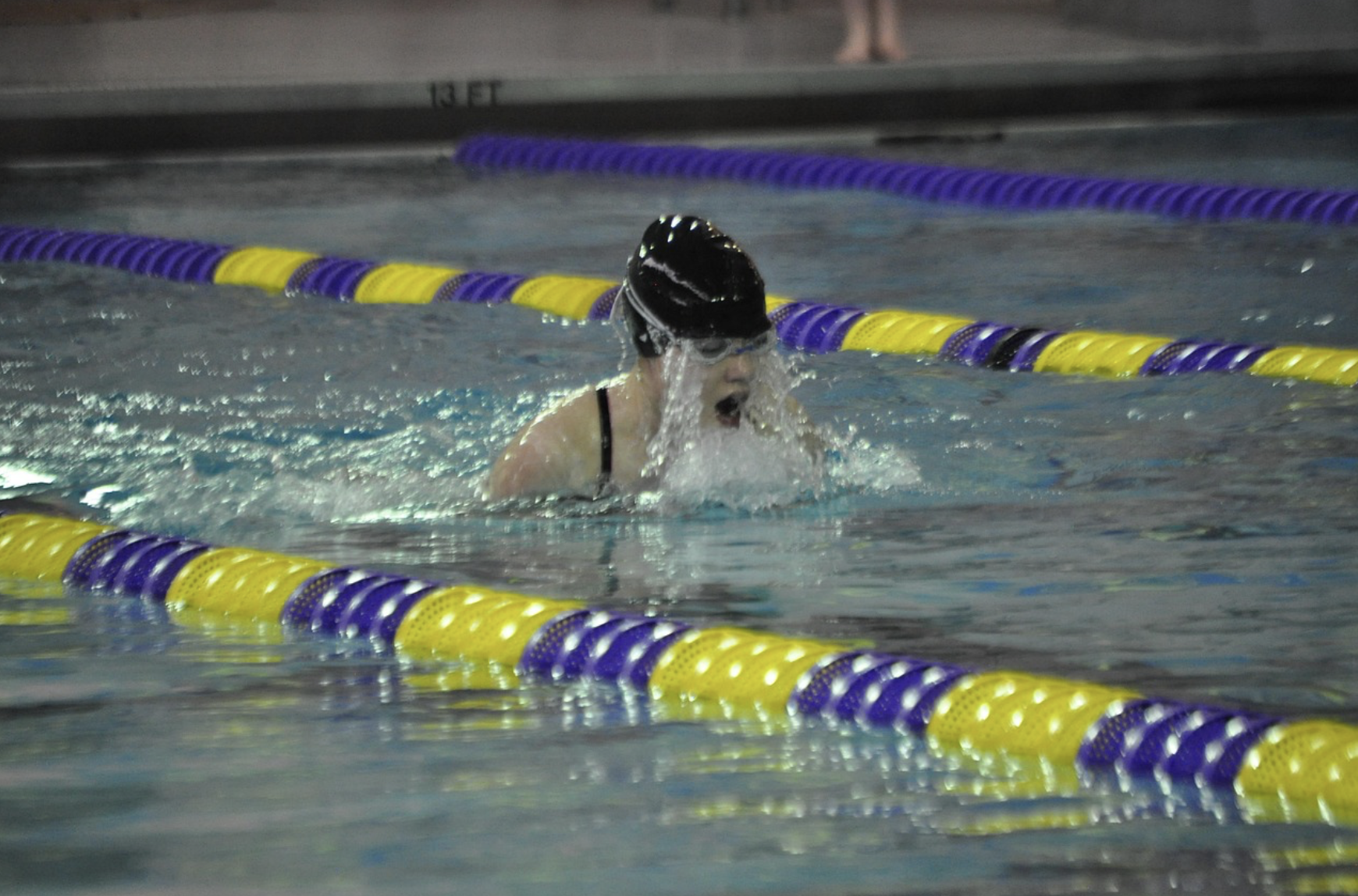
Overcoming The Fear Of Unknown Waters
Water can feel unpredictable for new learners. Structured children’s swimming classes give young swimmers a chance to become familiar with floating, kicking, and moving through the water at a comfortable pace. As their skills improve, greater confidence can make deeper water feel less intimidating.
Every successful lap proves that difficult physical challenges can be mastered. Swimming teaches individuals to trust their bodies when unsupported by solid ground. That realization alters how a person faces unfamiliar situations outside the pool, proving that fear is manageable with practice.
Building Self-Efficacy Through Small Wins
Swimming breaks complex movements into small, manageable milestones. Swimmers learn kicking mechanics, breathing rhythms, and arm strokes one piece at a time. Completing each distinct skill offers immediate proof of tangible progress.
Over 70 percent of parents reported massive improvements in their child’s self-esteem after completing structured swim instruction. Celebrating these incremental achievements strengthens internal belief. Overcoming early aquatic struggles makes future academic or personal goals look achievable.
Transforming Physical Mastery Into Mental Strength
Physical coordination directly feeds mental courage during water training. When swimmers realize they maintain total control in deep environments, personal mindsets change drastically. Body awareness translates directly into psychological resilience.
Key physical accomplishments that build mental strength include:
- Floating unassisted on the back without experiencing panic
- Navigating across deep lanes using steady kick patterns
- Controlling breath mechanics during extended submerged movements
- Treading water calmly during unexpected depth changes
Mastering these basic physical actions builds deep trust in personal capabilities. Body awareness builds steady self-worth that stays strong under pressure. Continuous practice in the pool reinforces a powerful sense of personal control.
Establishing Life-Saving Safety Habits
Understanding water safety feeds personal assurance. Knowing how to handle sudden water entry, strong currents, or muscle exhaustion prevents panic. Preparedness turns potential danger into calculated calm.
Drowning is still a leading cause of accidental death, making early water safety skills a critical life skill. Gaining these defensive safety skills protects individuals against unexpected aquatic hazards. Security in the water creates confidence in all aquatic settings.
Information provided by the American Red Cross indicates that formal swimming lessons reduce the risk of drowning by 88% among young children. Knowing how to stay safe turns fear into relaxed competence. That sense of safety allows swimmers to focus on fun and skill progression.
Transferring Poolroom Courage To Daily Life
Confidence built in the water rarely stays confined to the pool deck. Success in swimming encourages individuals to approach new tasks with optimism. The mental fortitude needed to conquer deep water serves as a blueprint for daily life.
Facing the deep end prepares swimmers for difficult moments at school, work, or social gatherings. Standing up to a physical obstacle changes personal expectations permanently. Swimmers realize that initial difficulty does not signal failure, encouraging them to try new activities with no fear.
Developing Resilience Through Practice
Swimming requires continuous repetition, patience, and learning from technical mistakes. Swimmers frequently swallow water or lose stroke rhythm before mastering efficient techniques. Experiencing these minor setbacks teaches valuable lessons about persistence.
Working through physical errors teaches swimmers to view mistakes as helpful feedback rather than personal limits. This resilient attitude carries into every personal goal and transforms setbacks into constructive stepping stones. Facing temporary failure in a supportive environment builds true emotional strength.
Unlocking Long-Term Independence
Gaining independence in the water creates a strong sense of personal autonomy. Swimmers learn to rely on their own strength and technique rather than flotation devices or constant guidance. This physical self-reliance develops a deep sense of personal responsibility.
Experiencing true self-reliance at a young age shapes character development. Swimmers who trust their own abilities carry that independence into decision-making out of the water. They become more willing to take calculated risks and explore new opportunities.

Swimming unlocks personal potential that reaches far beyond the water’s edge. Mastering aquatic movement builds courage, safety awareness, and quiet self-worth. Every lap completed reinforces the belief that personal effort leads directly to success. Unlocking this lifelong skill creates a strong inner drive that brightens every aspect of daily life.