
What should a child learn in kindergarten?
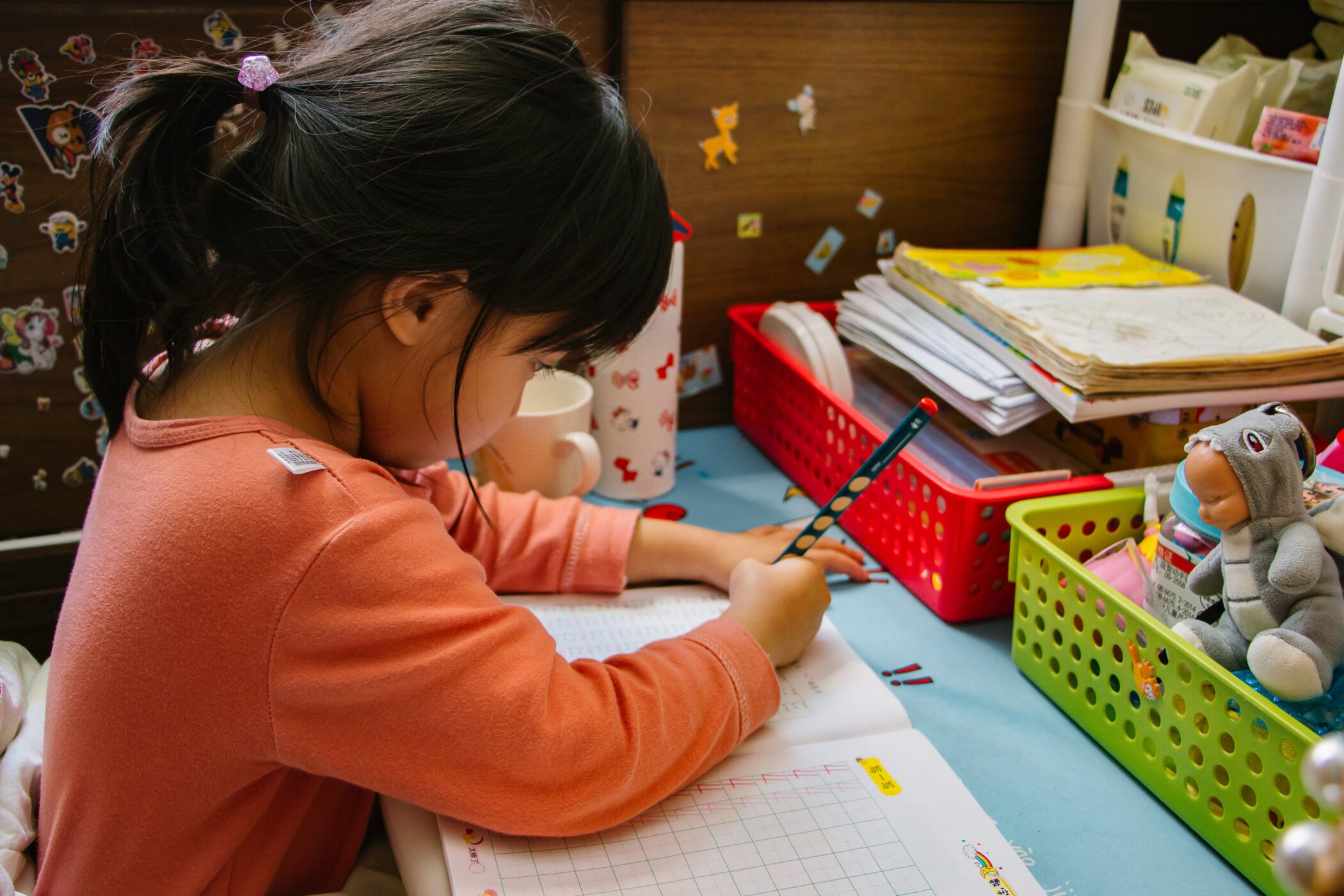 If children look forward to their first day in kindergarten, parents are most likely to be stressed by letting their little ones at school for an entire day. Kindergarten provides them opportunities to learn and grow, and young parents have expectations about what their children will learn.
Being surrounded by new kids will help them to develop their social skills while being in a learning environment will encourage them to learn new skills whilst staff can organize activities to really nurture your child.
They will learn new skills needed in primary school
Your child should have gained some fundamental skills in various areas at the preschool stage, including academic and social development. A kindergarten or pre-school prepares children by gradually introducing them to structured and curriculum-based learning found in primary school.
Combining this with a detailed toddler homeschool curriculum allows parents to reinforce essential skills at home while catering to their child’s individual pace. This dual approach builds a strong educational foundation, promoting both academic readiness and emotional confidence as they transition into primary school.
Math skills
In kindergarten, kids will begin to enhance their math skills in four ways:
- Counting: They will learn how to count and write more numbers.
- Addition and subtraction: They will learn the early stages of adding and subtracting.
- Geometrical shapes: They will learn to recognize and name shapes and patterns.
- Object sorting: They will start to sort and categorize objects by color, size, material.
Reading skills
Teachers will encourage children to read to develop reading skills, increase comprehension, and build a lifelong passion for reading. Teachers will also organize activities to encourage children to:
- Establish daily reading routines and read in a group setting.
- Learn to use upper and lower cases and punctuations appropriately.
- Improve their phonics skills by helping kids spell, read, and understand words.
Writing skills
Reading is an important skill for kids who are learning how to write since it can help a child to develop its capacities, vocabulary, spelling, thinking and reasoning.
In order to motivate them, teachers will provide writing materials, explain rules, and guide them to:
- Use the proper forms of letters and punctuations in writing.
- Write in different forms on various topics.
Social skills
In kindergarten, kids start to understand they are part of the school community. Through teaching and playing, teachers can focus on enhancing their communication and collaboration skills. Meanwhile, kids can learn how to listen, solve problems, and make decisions independently.
Besides teaching and mentoring, teachers will also organize activities such as:
- Indoor games that require teamwork, such as role-playing.
- Group games on the playground or lawn.
Creative arts
In general, kids are less stressed in classes with play included. Arts is most likely the subject that reflects a child’s true thoughts.
Through drawing and painting, kids are encouraged to create new things freely, reflecting their feelings, ideas, imagination, and creativity. Music and dancing are also taught in class. Teachers teach children to appreciate the different cultures behind the art.
Creative arts help children:
- Boost creativity and innovation skills.
- Develop cognitive skills.
- Approach problems in new ways.
Kindergarten will help them to develop their cognitive skills
Emotional development
Children start to understand the importance of expressing and controlling their emotions through interactive activities and games.
Teachers teach and help children understand the feelings of others, resolve problems, and guide them when necessary. They help children manage their emotions and behaviors properly.
Physical development
Generally speaking, physical development is your child’s ability to move and jump, including how they move their arms and legs (gross motor skills) and their ability to write and draw with hands and fingers (fine motor skills).
Outdoor playing and physical activities help children develop gross motor skills and release stress. Writing, drawing, painting, or other activities that require small muscles in fingers are encouraged to enhance kids’ fine motor skills.
Conclusion
In kindergarten, children have opportunities to build the foundation to enter primary school. They will get used to daily school life, develop social skills and behaviors, and learn new skills in multiple areas that will help them in their future.


