What Causes a High Temperature in Children?
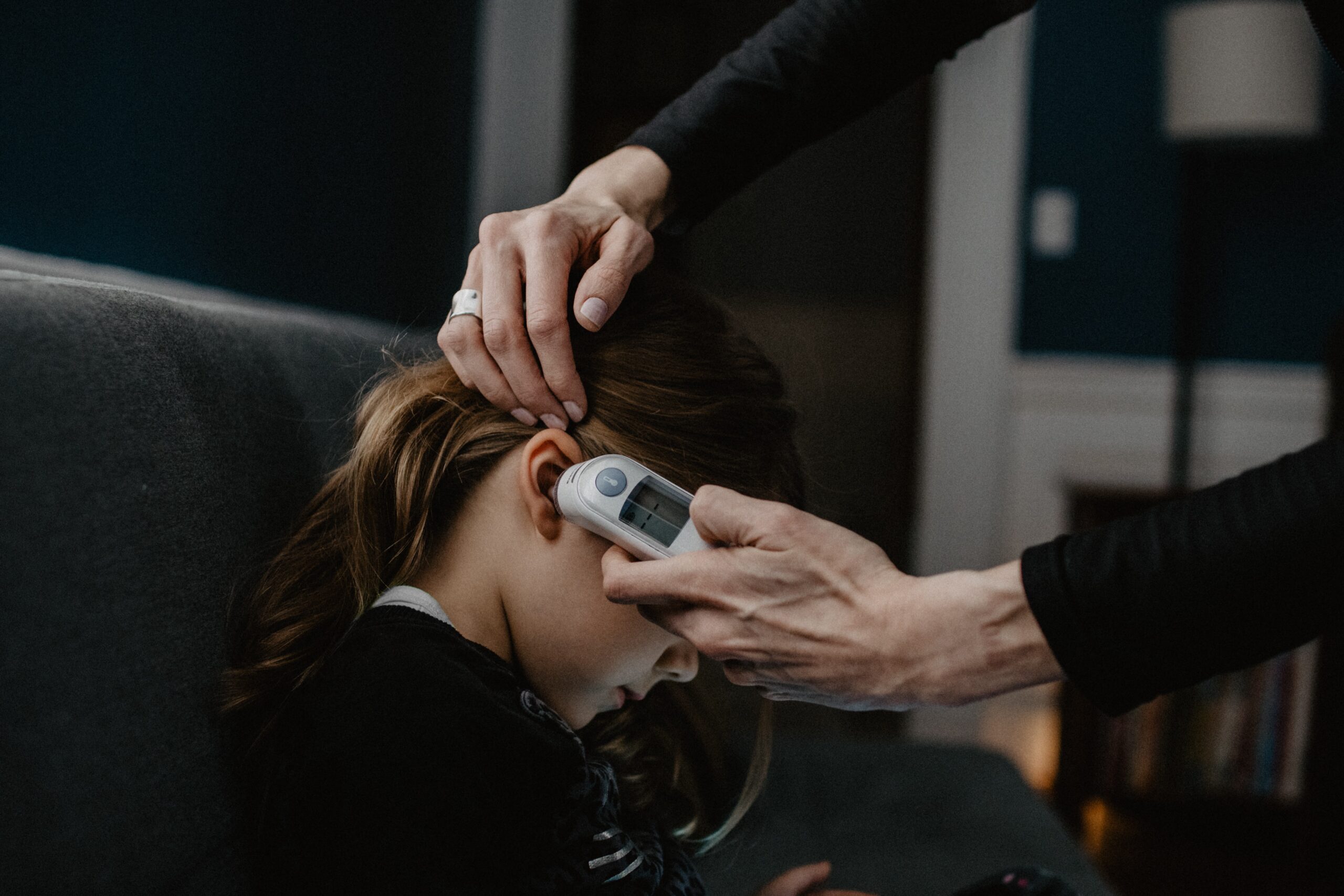 There are many reasons why a child might have a high temperature. The common reason for fever is an infection. Children are prone to catching a common cold or getting chickenpox, both of which can lead to a high body temperature.
Temperatures above 38 degrees Celsius or 100.4 degrees Fahrenheit are abnormal for babies or children. If you notice that your little one is hot to touch, sweaty, or ill, check their temperature using a digital thermometer. Use a child fever temperature chart in Australia to determine whether your child’s temperature is within the normal range or not.
Your child’s temperature will likely decrease back down to a normal level after a few days. After this point, they can return to their usual daily activities, like nursery or school.
Is a High Temperature Serious or Harmful to Babies and Children?
Most fevers in children over the age of six months old are not serious and pass in a few days. A child’s immune system is able to fight against infection and get rid of the virus from the body.
In babies under the age of six months old, infections can be more serious. We always recommend seeing the doctor if your baby has a fever so that you can get professional medical advice.
However, if their high temperature persists for over a week, you should get in touch with a medical practitioner. Similarly, if your child’s fever is accompanied with pale skin, vomiting, dizziness, drowsiness, loss of appetite, or abnormal breathing patterns, you must seek medical advice immediately.
While your child rests and recovers from their fever, it’s best to keep them at home. They should avoid school, extra-curricular activities, and contact with others until their temperature drops to a normal range.
If your child’s fever is accompanied with pale skin, vomiting, dizziness, drowsiness, loss of appetite, or abnormal breathing patterns, you must seek medical advice immediately.
Causes of Fever in Young Children
As you mentioned above, most of the time, fever in children is nothing to worry about.
Fever is a natural response to infection. When your child is exposed to a bacterial or viral species that are unfamiliar to their immune system, it will activate an immune response. Commonly, the body responds to an infection by increasing the body temperature and producing more white blood cells.
The increased body temperature is designed to help the immune system fight against the infection more efficiently. White blood cells are specialized blood cells that identify and destroy harmful viral or bacterial matter in the body.
The most common conditions that result in fever in young children are:
- Upper respiratory tract infections (RTIs)
- Influenza
- Tonsillitis
- Chickenpox
- Roseola
- Ear infections
- Kidney infections
- Urinary tract infections (UTIs)
Vaccinations can cause fever in children because they work by causing a small immune response in the body. High temperatures can also occur when your child gets too hot, whether it’s because of being outside in the hot sun or sleeping with too many blankets.