The Surprisingly Valuable Art of Clearing Out a Drawer
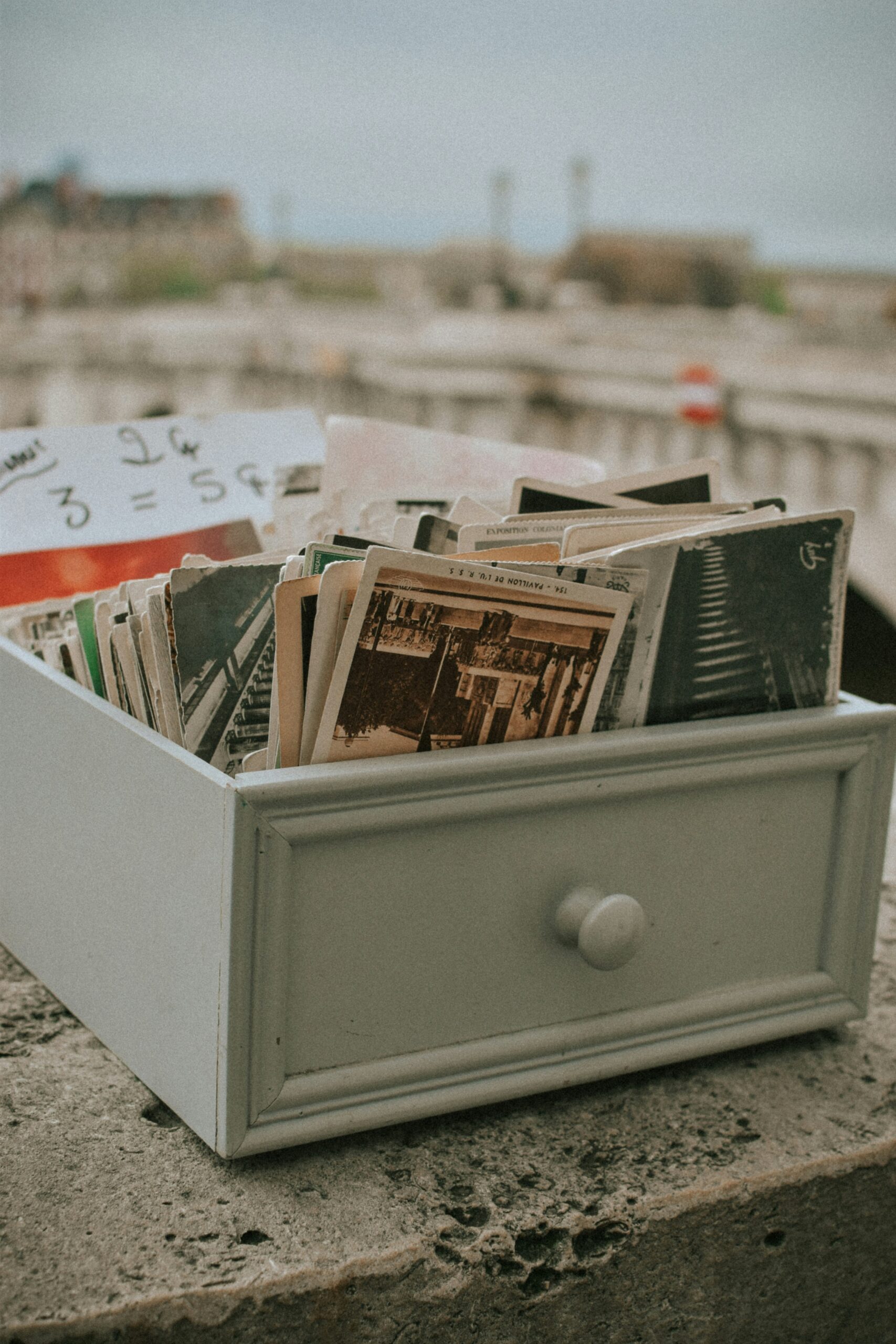
You know that friend of yours whose home is always perfectly tidy, with absolutely everything in its rightful place? We have a secret to tell you. She has a junk drawer!
And here’s the truth: we know you have one too.
The junk drawer is one of life’s great certainties. Just as we all have a password we always forget and a bag full of other bags, we all need somewhere for objects with no fixed address to live together in harmony.
That is where the charger for a mobile phone retired in 2014 now resides. Beside it lies a key whose corresponding lock remains one of the family’s greatest mysteries. A solitary button has spent seven years awaiting a reunion with a shirt that has probably become a cleaning cloth by now. Further back, a loyalty card promises a free coffee after ten purchases. You reached nine, although the café closed before the pandemic.
They say that, in the future, archaeologists will rummage through our drawers to discover what life was like in the past. Each layer represents a different period of family history. Near the top are last month’s receipts. Deeper down lies a warranty for a kettle that departed this world in 2018.
But pay attention! Just as archaeologists have to dig through hundreds of years’ worth of soil before finding anything valuable, you might also have treasure buried beneath that pile of papers and old batteries. That is why it is worth giving the junk drawer a clear-out from time to time. As well as freeing up space for more clutter — sorry, new objects — you may discover something that could even help pay for the next family holiday.
Begin with the easy departures
Dried-up pens make excellent first candidates. Test them on a piece of scrap paper, enjoy the faint grey line they produce, and thank them for their service.
Expired vouchers can follow, along with instruction manuals for appliances that have already been replaced twice. The same fate awaits takeaway menus from restaurants whose telephone numbers now connect to confused strangers.
Batteries and small electrical items require specialist recycling. Many supermarkets and retailers provide collection points, allowing these objects to leave the drawer with greater dignity than they entered it.
For perhaps the first time in several years, you can see the bottom of the drawer. You may also discover that its mysterious depth comes mainly from 27 supermarket receipts and a pair of scissors placed diagonally.
Look for money hiding in plain sight
Loose change is the junk drawer’s most honest contribution to the household finances. It has always been money. It simply chose a deeply inefficient savings plan.
Gather the coins from every drawer, handbag, and coat pocket. The total may cover a coffee, a takeaway, or part of the weekly shop. Foreign currency can also be saved for a future holiday or taken to a suitable exchange service.
Then come the gift cards. These often disappear shortly after Christmas, usually at the exact moment somebody says, “I’ll put this somewhere safe.”
Check the balance and expiry rules for every card you find. Many retailers allow customers to do this online. A forgotten £25 voucher instantly becomes the most profitable square of plastic in the house, overtaking the bank card that has spent the month funding snacks.
Send old technology into the future
Every junk drawer contains at least one cable that belongs to a device nobody can identify. Family members will examine it carefully and agree that it looks important. It will then return to the same compartment for another five years.
Recognisable technology deserves a different approach. Old phones, tablets, cameras, and games controllers may retain resale value. Even damaged devices can appeal to buyers seeking spare parts.
A phone that has spent six years beneath a packet of drawing pins could suddenly pay for dinner. That feels like a respectable final achievement for a device whose last active duty involved running Candy Crush.
Read the paperwork before recycling it
Paperwork creates much of the drawer’s chaos. It folds itself into strange shapes, attaches to other objects, and makes every search take twice as long.
Some of it may still serve a purpose. A receipt could support a warranty claim, and an insurance letter might contain a reference number needed later. An old bank statement might help trace a payment or account.
Car finance documents deserve particular attention. The agreement may look about as exciting as a washing-machine manual, yet it could contain details needed to investigate PCP compensation claims.
The Financial Conduct Authority says people who used finance to buy a car, motorbike, or van between 6 April 2007 and 1 November 2024 may be eligible for compensation if important information about arrangements between the lender and broker was inadequately disclosed. Eligibility depends on the agreement and how the finance was set up.
Parts of the FCA’s compensation scheme are currently suspended during a legal challenge, while consumers can continue submitting complaints to lenders. An agreement number, provider’s name, vehicle registration, and approximate purchase date can all help reconstruct the transaction.
That forgotten document may have spent years pressed beneath a pizza menu. It could still prove considerably more useful than the takeaway leaflet ever did.
Give memories a better home
Some objects carry a different kind of value. Old photographs, handwritten notes, hospital bracelets, and children’s drawings may generate little interest on an online marketplace, yet they can mean everything to the people who recognisethem.
Move these pieces into a labelled memory box where they can be protected properly. Fragile photographs and letters can also be scanned to preserve digital copies.
This occasionally requires difficult decisions. Your child may have produced 400 drawings during a particularly creative year, with 287 depicting roughly the same purple creature. Keeping a representative selection allows the finest examples to survive while giving the drawer a fighting chance.
Leave room for a little mystery
At the end of the clear-out, the drawer should open with a gentle pull. Inside, dividers or small containers can give useful items a defined home. Current receipts can live in an envelope, while working chargers can be labelled with the devices they serve.
The drawer may even have produced a forgotten gift card, an old handset, valuable paperwork, and enough loose change for dessert. Few pieces of furniture make such a convincing apology for years of inconvenience.
Somewhere, your perfectly tidy friend is probably carrying out the same exercise. She has reached the mysterious key and is turning it over in her hand, wondering which lock it might open and whether discarding it could somehow make the front door fall off.
The key will go back in the drawer.
Certain mysteries deserve another year.