
Successful Sewing Projects: Important Aspects When Buying Fabrics Online
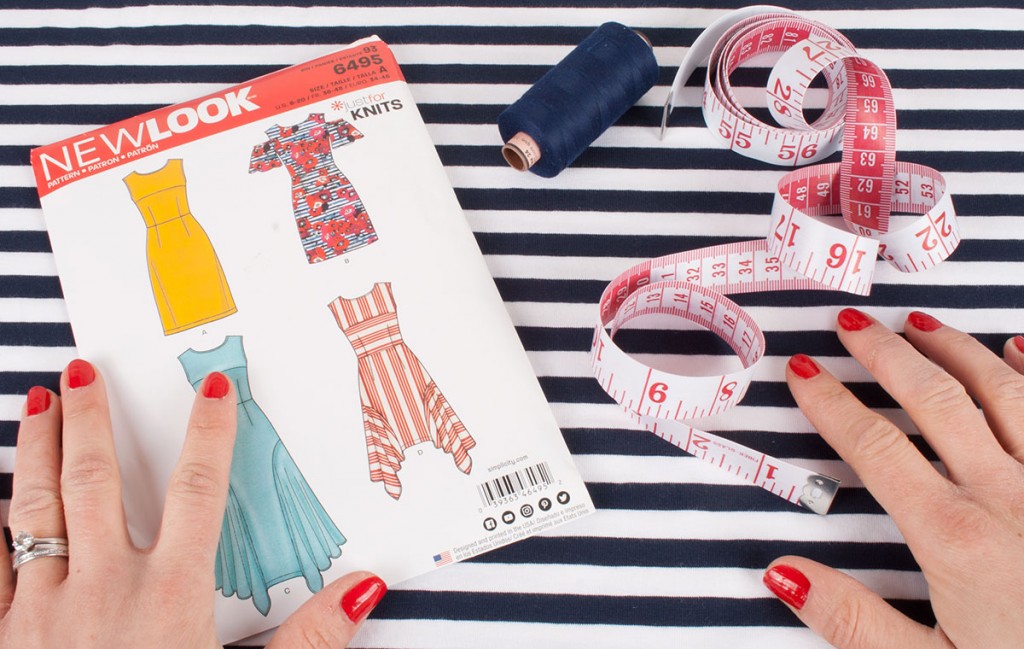 In a world where fast fashion reigns supreme, taking a stand by choosing slow fashion instead is where being the change you wish to see is truly at. Not only does it make for more mindful consumerism, possibly leading to a more positive low-time preference lifestyle, but it’s also a move that helps with ethical production practices and sustainability.
So, a change in how you dress and what you prefer in terms of fashion can benefit your well-being as well as that of the environment. As the focus is more on quality and not quantity, a lot more attention goes to the design of the pieces of clothes, including the type of material they’re made from.
No matter whether you’re an aspiring designer or a DIY enthusiast just starting, you’re probably aware of how important choosing the right fabric can be – it can make or break your designs. With online shopping nowadays, it’s never been easier to come across a vast array of quality fabrics for clothing for your projects.
There’s a certain flexibility that comes from purchasing over the internet, as you can check out numerous stores and options in an instant, saving up on precious time which, let’s face it, is a luxury in this modern day we live in. Still, one of the reasons why many refrain from purchasing online is not being able to physically touch the chosen fabric, to feel its texture, making the whole shopping experience a little more complex. Which leads us to one important question:
How Do I Choose Fabric for Clothing?
Since the process is different from that of shopping in-store, there are some steps one can take to count on a successful outcome, focusing on aspects like:
The Design Itself
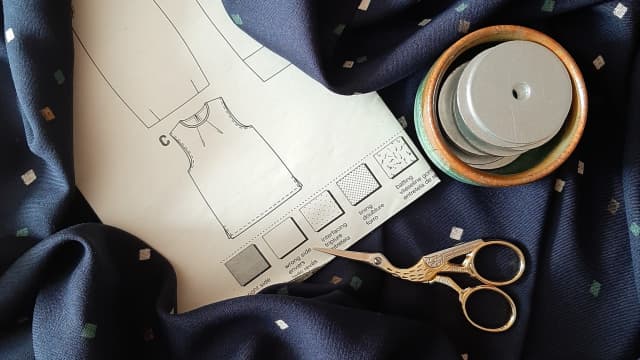
What is the intended use of the fabric? What is your goal for the fabric? What kind of garment is it that you plan on using it for? These are some questions you should ask yourself first and foremost, as this would simplify the whole shopping experience.
It would give you an idea of the fabrics of clothing you should look for, the colour and the pattern (if any), and assist you with narrowing down the options. Making a fleece for a little one is much different than making a camo outfit for a hunter, or a denim jacket, as each comes with specific factors that have to do with characteristics like softness, durability, and stretchiness.
Some stores go to great lengths to make your shopping as hassle-free as possible providing info on each of their fabric products about the garments and projects they can be used for, further giving you ideas about repurposing the remaining of tles should you buy more. So, the main advice is to do some detailed planning before considering the options.
The Type of Fabric
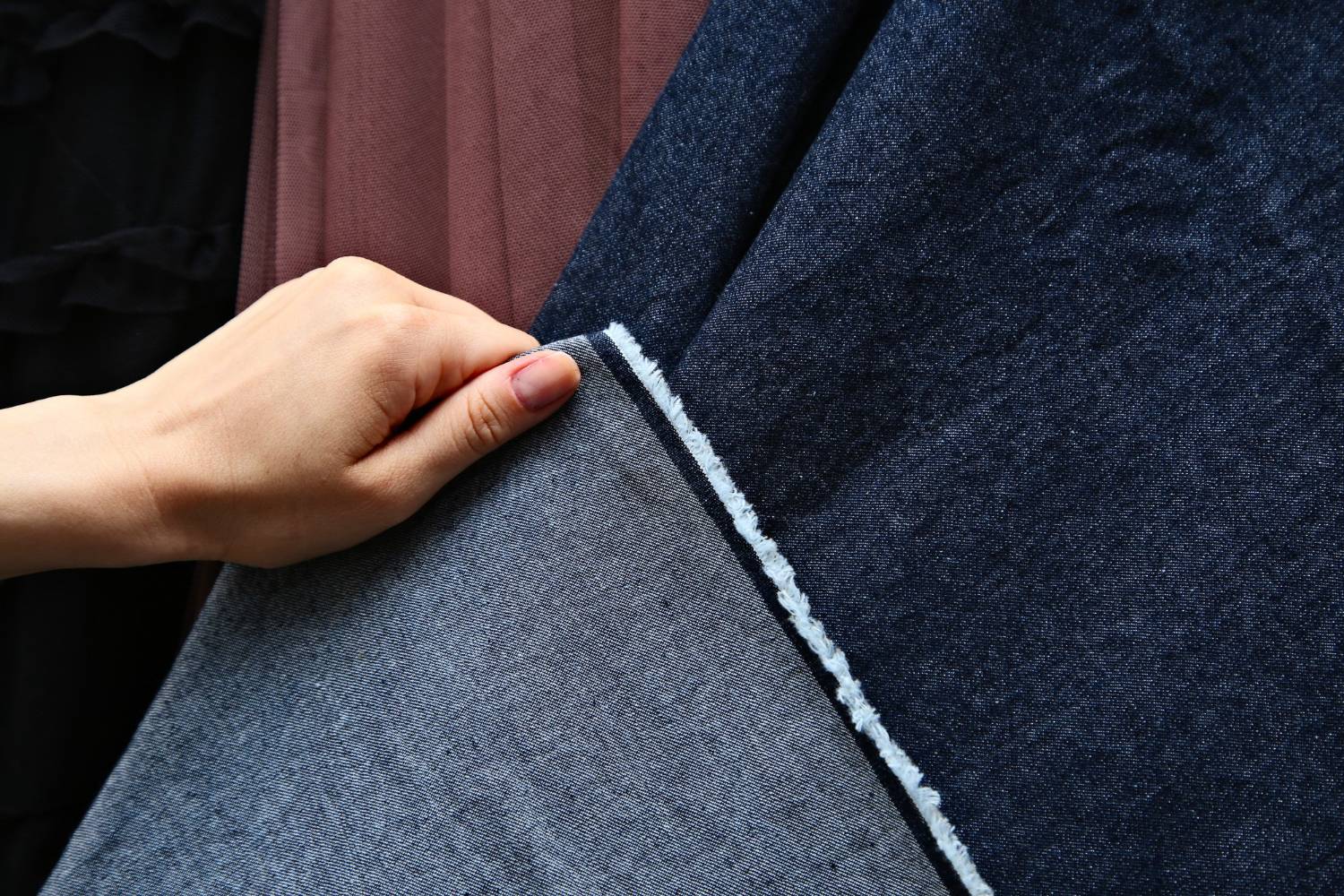
The main thing to understand is whether you need a natural or synthetic fabric or a blend of these two. Again, the choice comes down to what it is you plan on using the fabric for.
If it’s for casual wear, natural options like linen and cotton fabric online stores are no-brainer choices for shirt creations, or two-piece outfits that ooze in comfort, breathability, and lightweight feeling. For the bottoms, you can also work with different denim choices, varying in thickness and washes. As for warm hoodies, synthetics such as fleece are a pick you’d love for their incredible softness; so soft, your partner won’t resist the temptation to borrow them.
For special occasions, it’s wise to opt for gorgeous silk, satin, and sateen, perfect not only for the shine and luxurious look but the wrinkle-resistant properties. Lingerie and sleepwear are two other wardrobe staples you should invest in with elegant fabrics, or even linen cotton blend fabric if you like the properties of both.
Outerwear and activewear call for something more fit for the elements, protecting you from cold as much as rain, and wind, so you won’t be wrong in choosing natural wool, wool blends, or synthetics like nylon and polyester. On top of it all, these are some fabrics known for their moisture-wicking properties too, and what you can expect is comfort while wearing them as you’d be safe from sweat and odours.
The Details
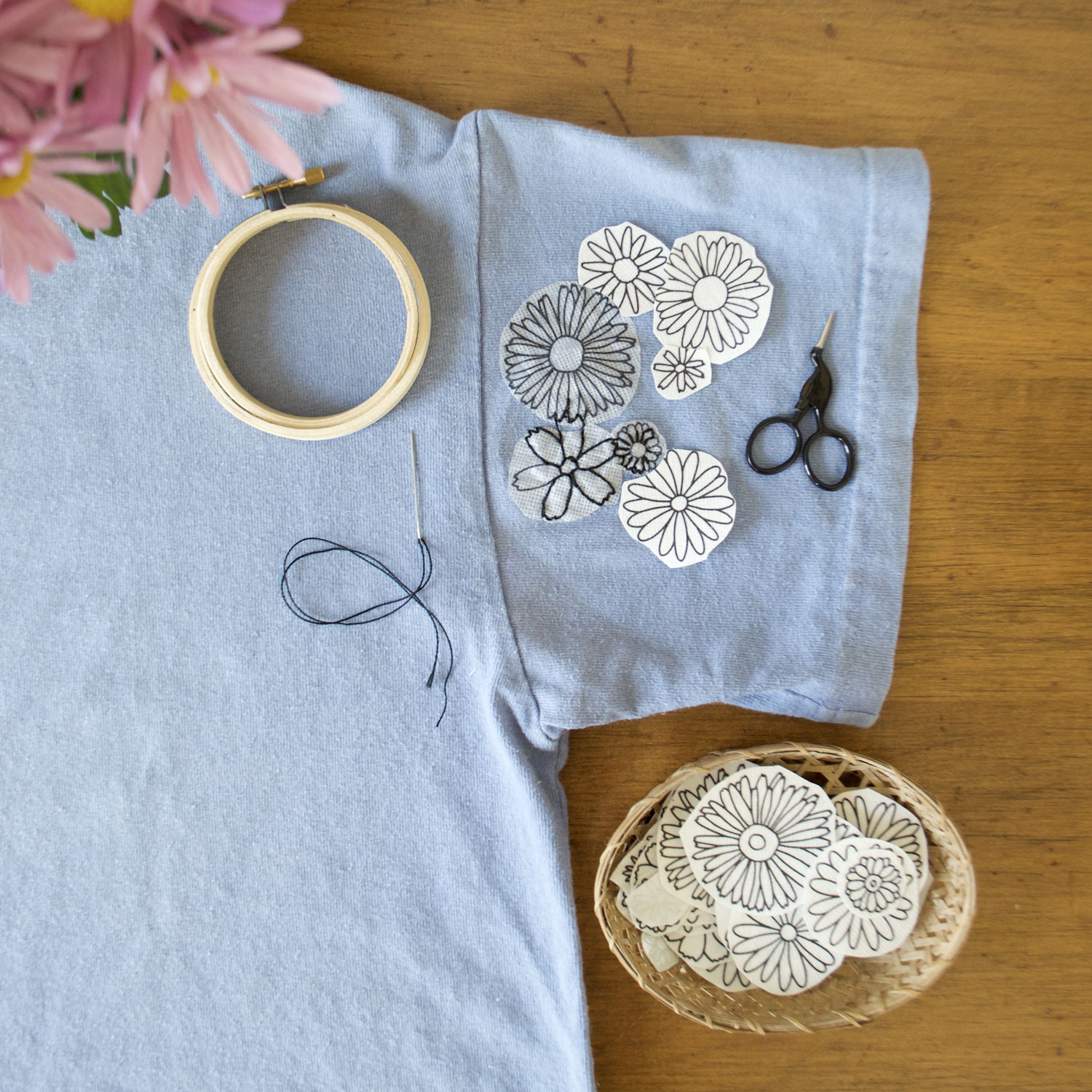
Sometimes, you can get a lot of information about a product simply by looking into the details the store provides. In terms of fabric, this could be composition, weight, drape, stretch, suitability for specific garments, special features, as well as care instructions, and whether or not they’re fit for working or they need a wash-up before being part of the project.
It’s also advisable to train your eye to pick up on useful cues such as the look of the texture, which could give you an idea about the material’s feel on the skin. Fabric measurement is another you ought to perfect as that would point as to how much you’d need to order of the fabric, specifically how many yards or metres. Some are available in varying widths, so do keep an eye out for this in the product description section.
Colour accuracy and pattern size are other tricky bits when shopping online, but there are ways to get to a more well-informed decision, such as by paying attention to items added in the image along with the cloth samples. When in doubt, don’t be afraid to ask for help from the store, and if possible, order some swatches to get that tangible feel, check the texture, weight, colour, and pattern firsthand is an especially useful service option when you need to find a matching pattern, colour, or fabric altogether for something you’re already working on. A piece of advice to make future projects easier is to simply create a book with swatches you can use as reference when the time comes. And, if not possible, you could always just get your samples at a nominal cost.
Read up on some reviews, explore fabric communities over social networks, check for shipping costs, pay attention to sales and discounts, and you can be sure of a smooth online fabric shopping experience!


