8 Waterproofing Membrane Blunders That Compromise Trade Project Quality
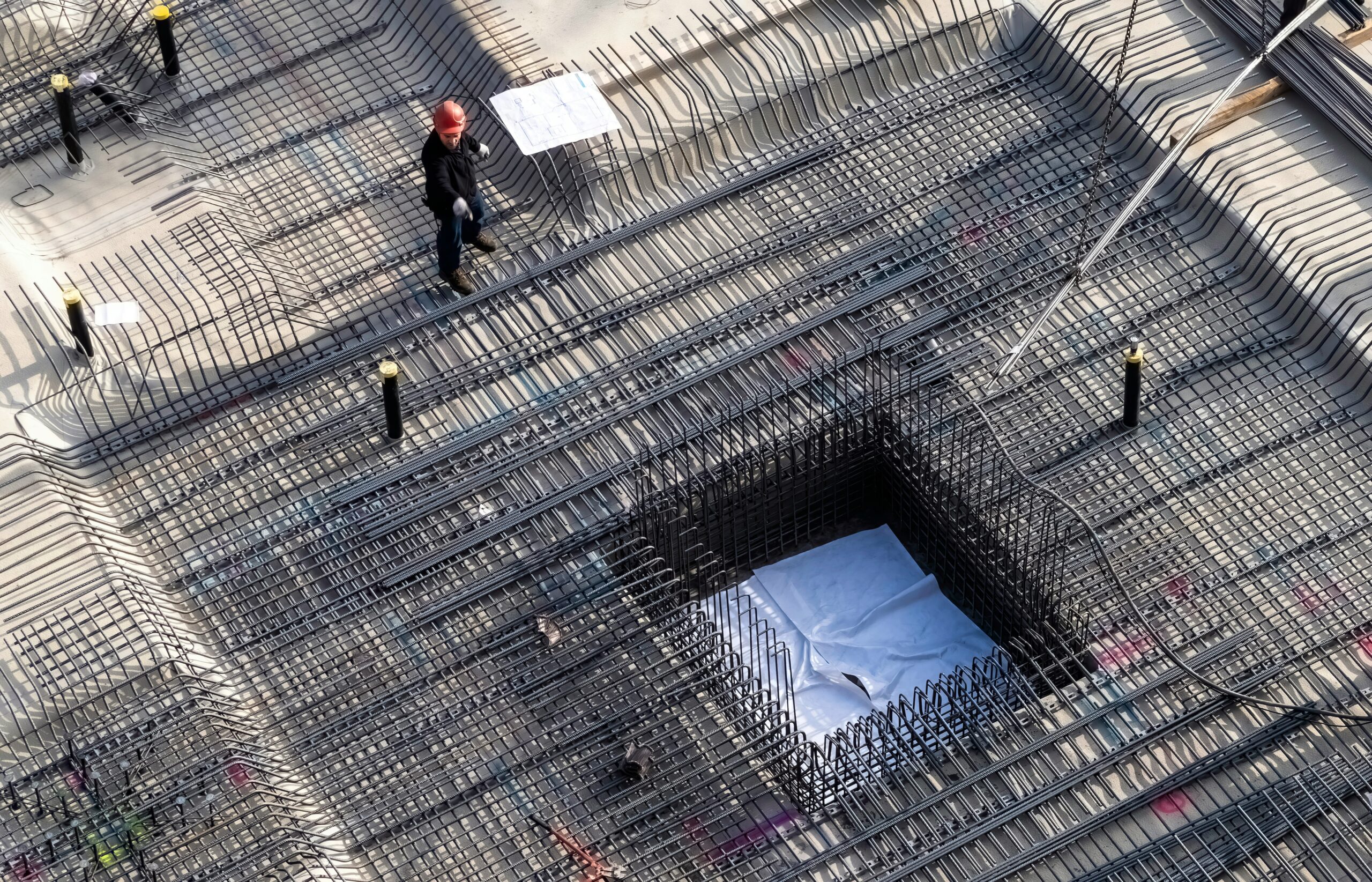 Waterproofing membranes are essential for protecting a building’s structure from water damage, ensuring its longevity and durability. Whether for residential or commercial projects, proper installation is crucial. However, common mistakes can undermine the integrity of the project. In this article, you will learn and understand the top eight waterproofing membrane errors that you need to avoid.
1. Improper Surface Preparation
Before installing a waterproofing membrane, ensure the surface is properly prepared. Any contaminants like dust and oils can prevent proper adhesion, leading to water infiltration. If the substrate is not smooth, dry, and free of debris, the membrane won’t provide the desired protection. Clean and prime the surface according to the manufacturer’s instructions and address any irregularities for a secure bond.
2. Incorrect Membrane Selection
Membranes, such as sheet, liquid, and spray-applied, are designed for different surfaces and conditions. Using an inappropriate membrane, like one meant for below-ground use in areas exposed to frequent traffic or extreme temperatures, can reduce effectiveness. When selecting a waterproofing membrane, consider the project’s specific requirements, including:
- Surface type
- Environmental conditions
- Expected wear and tear
3. Overlapping the Membrane Improperly
Remember, overlapping too much or too little can create vulnerabilities where water can seep through. A small overlap increases the risk of water penetration, while an excessive one can add unnecessary thickness and reduce membrane performance. To avoid this, follow the manufacturer’s guidelines for the correct overlap. Align edges precisely and seal properly with adhesive to ensure complete waterproofing.
4. Insufficient Coverage of Corners and Joints
Corners and joints are overlooked during waterproofing installation, yet such areas are where leaks are likely to occur. Membranes should be cut and sealed at critical points to prevent water infiltration. Failing to properly cover these areas can create weak spots that allow moisture to penetrate and cause damage.
In order for you to avoid this, pay close attention to corners, joints, and seams during installation. Use specially designed corner pieces, reinforcement materials, or additional membrane layers to reinforce these areas and ensure full coverage at all junctions for an effective waterproofing system.
5. Not Allowing Proper Curing Time
Keep in mind that waterproofing membranes, especially liquid-applied ones, require sufficient curing time before exposure to moisture or heavy traffic. Additionally, rushing the process can weaken the membrane’s adhesive strength, reducing effectiveness in repelling water.
On top of that, curing time varies based on environmental factors like temperature and humidity, but skipping this step can cause long-term issues. Furthermore, it is essential to follow recommended curing times to avoid compromising the system and incurring costly repairs.
6. Poor Drainage Design
Without a proper drainage system, water can accumulate on top of the membrane, creating pressure that forces water underneath, causing membrane failure. To prevent this, always include a well-designed drainage system alongside the membrane. Proper slope gradients, weep holes, and drainage channels should direct water away from the structure, protecting the membrane and the foundation.
7. Inadequate Detailing Around Penetrations
Penetrations such as pipes, vents, and electrical conduits can serve as entry points for water. If not properly sealed during membrane installation, water can seep through and cause structural damage. While often overlooked, addressing these potential leak points is crucial.
Plus, specialized sealing and flashing materials should be used around all penetrations to create a watertight seal. Ensuring proper integration of the membrane with these seals, without gaps, is vital. High-quality sealants and proper application maintain the integrity of the waterproofing system.
8. Neglecting the Manufacturer’s Instructions
Each waterproofing membrane has its own set of instructions, tailored to the materials and installation conditions of the project. Misinterpreting or ignoring these guidelines can lead to installation issues, compromising the waterproofing system and failing to protect the building from water damage.
For you to avoid this, follow the manufacturer’s instructions carefully, including surface preparation, membrane application, curing, and any specific product requirements. Consulting with the manufacturer or a technical expert can help clarify any uncertainties and prevent costly errors.
Avoid the Blunders, Secure the Build!
Waterproofing membranes are essential in protecting a building from the detrimental effects of water infiltration. However, installation errors, whether through improper preparation, incorrect selection, or overlooked details can undermine the system’s ability to function properly. By avoiding these eight blunders, construction professionals can help ensure projects remain dry and durable for years to come.