How to Insure Your Home During an Extension or Loft Conversion
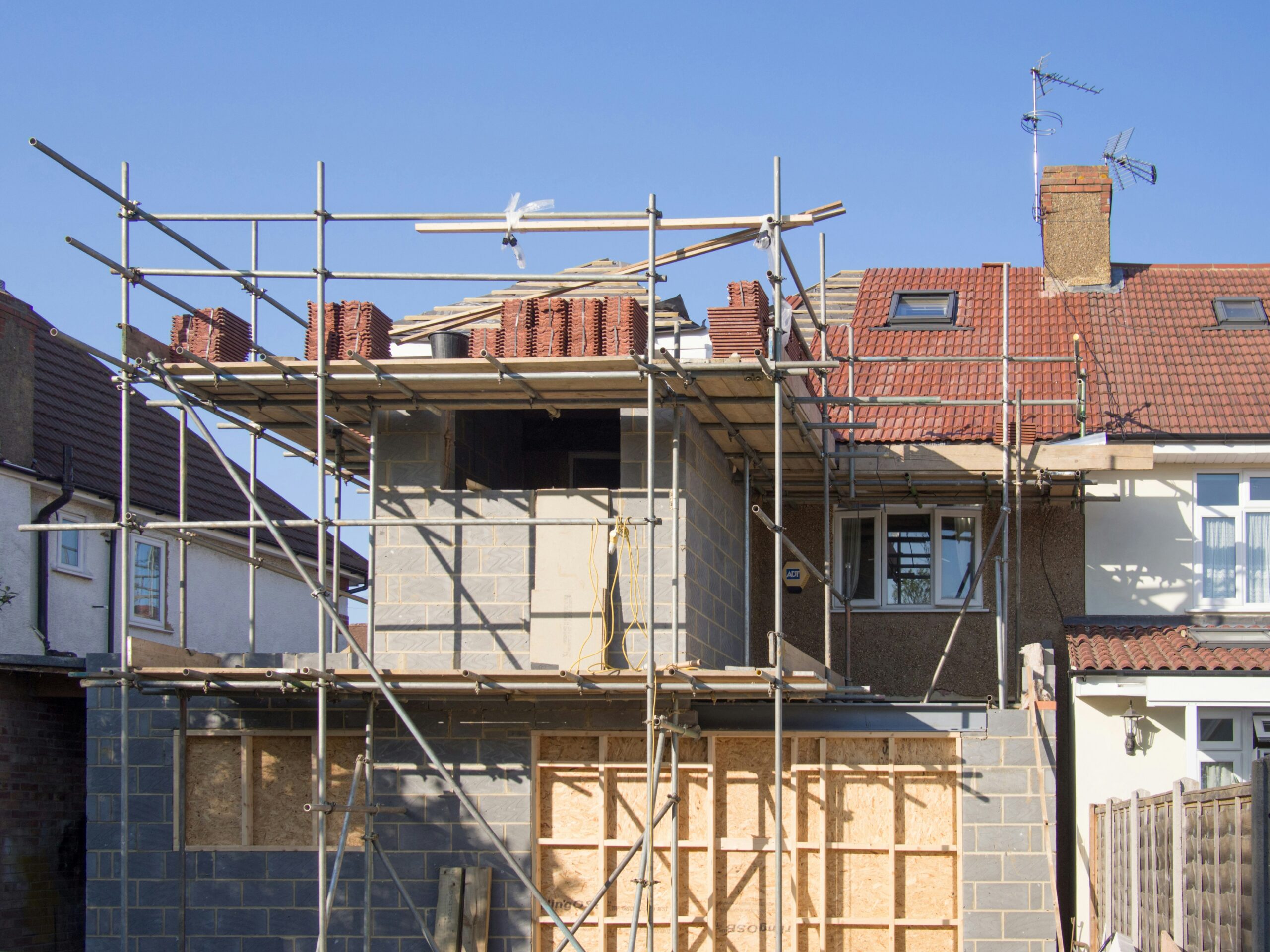
Most people will spend weeks choosing an architect and months picking tiles, but they won’t give insurance a second thought until the builders are already on site. And that’s where things can go wrong. The moment scaffolding goes up and walls start coming down, your standard home insurance probably won’t have your back the way you’d expect. Your builder will have their own policy, sure, but it doesn’t protect everything.
The gaps are bigger than most homeowners realise, too. So here’s what actually needs covering, who’s responsible for what, where the common gaps are, and how to make sure you’re not caught out halfway through your project.
What Your Standard Policy Won’t Cover
A typical home insurance policy is designed for a property in its normal, lived-in state. Once you start knocking through walls or cutting into a roof, the risk profile of your home changes completely. A lot of insurers will void or restrict your cover if you don’t tell them about major building work. Some won’t cover you at all once structural changes begin.
Think about it… open doorways, exposed brickwork, missing roof sections, temporary weatherproofing. These all create risks that a standard policy was never priced for. If a storm damages your half-built extension, or a burst pipe floods your ground floor while the kitchen’s been ripped out, you could be left without a valid claim. That’s a situation nobody wants to be in.
Your Builder’s Insurance Doesn’t Cover Everything
A good contractor will carry public liability insurance and, in most cases, contractor’s all risks cover. That protects their work and their liability if something goes wrong on site. But it doesn’t cover your existing structure, your contents, or damage caused by something unrelated to the build. A break-in through a doorway left exposed overnight, for example? That’s on you.
Your builder’s policy exists to protect them and their work. Your home and your belongings are still your responsibility. So even with a fully insured contractor on site, you’re the one who needs a policy that covers the whole property throughout the project.
How to Arrange Your Own Cover
This is where specialist cover comes in. A dedicated home renovation insurance policy is built for exactly this kind of situation, with flexible terms that can scale with the length and size of the project. Buildings cover can go up to £1.5 million, and once the work’s finished, you’ll typically have the option to convert the policy into standard home insurance without starting from scratch.
Before the build starts, get in touch with your current insurer and tell them what’s planned. They’ll either adjust your existing policy, add exclusions, or tell you they can’t cover you during the works. If that happens, don’t just leave it and hope for the best. Get a specialist policy in place before any work begins.
A Quick Checklist Before Work Starts
- Notify your current home insurer about the planned works
- Ask your builder for copies of their public liability and contractor’s all risks certificates
- Check whether your contents are still covered while the property is partially open
- Confirm whether your policy covers the property if it’s unoccupied during the build
- Keep a record of valuable items and move what you can to a secure room or storage
Don’t Leave It Until the Scaffolding Has Gone Up
Insurance is one of those things that’s easy to push down the to-do list when you’re busy with planning permission, building regs, choosing a kitchen layout, and juggling a hundred other decisions.
But getting it sorted early will save you a real headache if something goes wrong mid-build. Speak to your insurer, check your builder’s cover, and make sure there aren’t any gaps before the first brick comes out. Your future self will thank you.