
Can an Affordable E-Bike Make Family Day Trips Easier to Plan?
Yes. An affordable e-bike can make a family day trip easier when it removes some of the practical barriers that often make cycling plans complicated: hills, different fitness levels, longer distances and the worry that someone will be too tired for the ride back.
The aim is not necessarily to travel faster. For most family days out, the bigger advantage is flexibility. Electric assistance can make it easier for adults with different riding abilities to stay closer together, extend a route to another café or viewpoint, and plan a longer return journey without making every mile feel like a workout.
For families comparing Affordable Electric Bikes, the most useful bike is usually not the cheapest one or the model with the biggest motor. It is the one with enough range, comfort and practical features for the kind of days out the family actually enjoys.
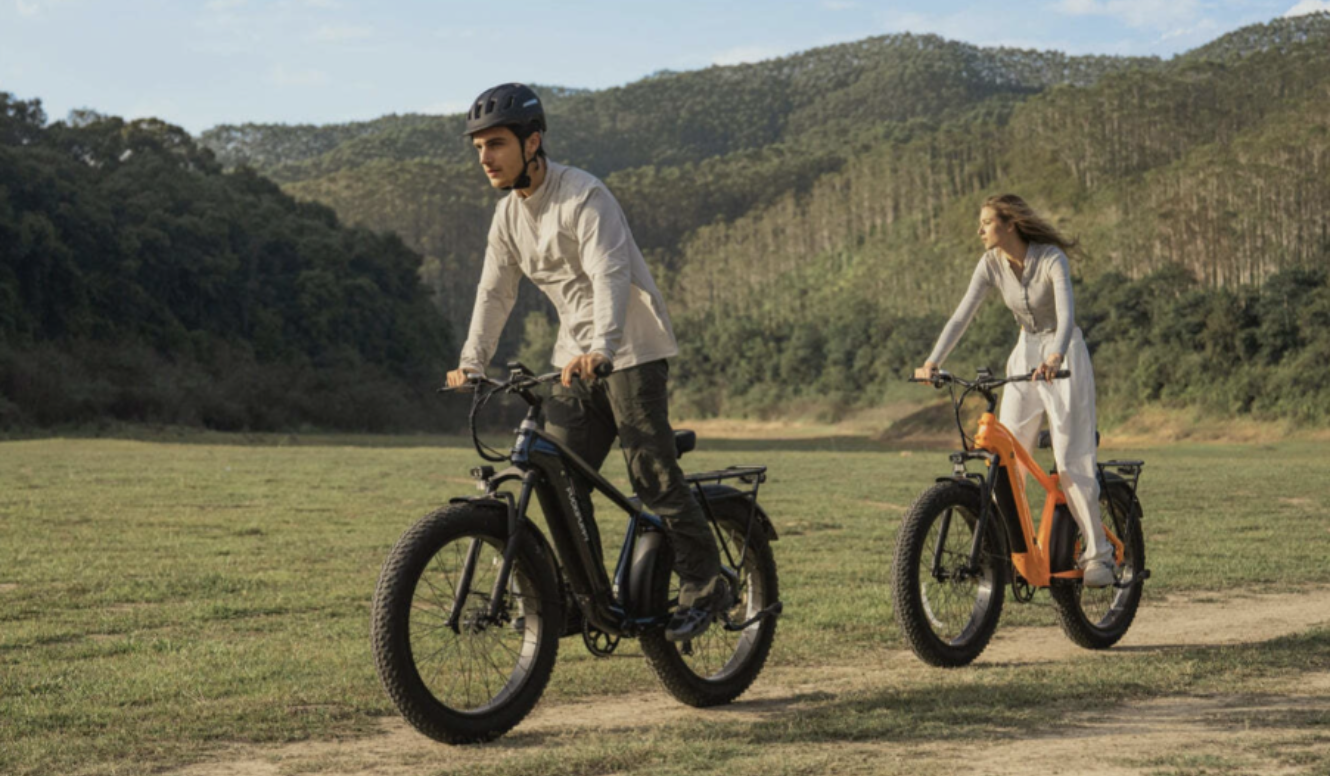
How Can an E-Bike Make a Family Ride Easier?
Family cycling works best when nobody feels that the route is designed around the strongest rider.
One adult may cycle every week, while another may only ride occasionally. A route with several hills can widen that difference quickly. Pedal assistance helps reduce the amount of effort needed on harder sections without removing the option to pedal normally on easier roads.
That can make route planning less restrictive.
Instead of choosing a very short loop because one person is worried about the climb home, families may be able to consider a slightly longer countryside route, coastal path or connection between attractions.
The point is not to turn every family outing into a long-distance ride. It is to give everyone a little more room to enjoy the day at their own pace.
How Much E-Bike Range Is Enough for a Day Trip?
Start with the full round trip and add some reserve.
A family route that looks like 20 miles on the map may become longer once lunch stops, sightseeing detours or a different route home are added. Hills, rider weight, wind and assistance level can also change real-world battery use.
That means an advertised maximum should not be treated as the exact distance available on every ride.
For most day trips, the useful question is:
Can the battery comfortably cover the planned route with enough left for an unexpected change of plan?
If the answer is yes, paying significantly more for extreme range may not add much to the day.
A removable battery can also make weekend travel simpler because it can be charged separately from the bike when staying somewhere with secure bike storage away from the room.
Does Comfort Matter More on a Family Day Out?
Very often, yes.
A family cycling day usually includes plenty of slowing down, stopping, talking, taking photos and waiting for one another. It is not a race.
That makes riding position, saddle comfort, tyre choice and suspension more noticeable than maximum speed.
Front suspension can help smooth broken pavement and rougher paths, while wider tyres may make a bike feel more stable when the route moves between streets, park roads and gravel.
Comfort becomes particularly important on the return journey. A bike that felt fine during the first five miles may feel very different after several hours out.
Are Fat Tyres Useful for Weekend Family Routes?
They can be, particularly when the day’s route is not entirely paved.
A fat tire electric bike uses wider tyres that can provide a more planted feel on gravel, compact dirt and uneven surfaces. That can be useful when a family ride moves between neighbourhood streets, park roads, campsites and maintained recreational routes.
The downside is weight and rolling resistance.
A lightweight city bike may make more sense for families riding exclusively on smooth paths. Wider tyres become easier to justify when weekend plans regularly involve mixed surfaces.
This is why the type of day trip matters more than simply choosing the bike with the longest specification list.
What Should Families Consider About Bike Weight?
Bike weight is easy to ignore until the ride is over.
Electric bikes are generally heavier than conventional bicycles because of the motor, battery and larger frame components. Wider tyres and suspension can add further weight.
That matters when bikes need to be loaded onto a vehicle rack, moved into accommodation or lifted around steps and barriers.
For a family travelling by car before starting the ride, rack capacity should be checked carefully. The weight rating needs to support the actual e-bike being carried, not just a conventional bicycle.
This is one area where buying more capability can create another practical problem. A heavily equipped bike may feel comfortable on the route but inconvenient to transport.
What Does a Practical Mixed-Surface Day-Trip E-Bike Look Like?
The Puckipuppy Beagle 2 provides one example of a bike that sits between everyday commuting and recreational mixed-surface riding.
It uses a removable 48V 15Ah battery with a manufacturer-listed range of 40–60 miles. The 750W rated motor can reach 960W peak output, while Puckipuppy lists throttle operation at up to 20 mph and pedal assistance at up to 28 mph.
For weekend routes, the more relevant features are its 26 × 4-inch tyres, 110mm front suspension and 180mm hydraulic disc brakes. Those specifications make the Beagle 2 better suited to rides that may move between streets, rough pavement, gravel and other maintained mixed surfaces than a very narrow-tyred urban bicycle.
The bike also has a listed maximum load capacity of 400 pounds and weighs 77.6 pounds. The weight is worth considering for families planning to transport it regularly on a vehicle rack.
The Beagle 2 is best understood as an adult commuter and recreational e-bike rather than a dedicated family passenger bike. Families should not assume that the overall payload rating means a child seat, trailer or other passenger accessory is automatically compatible; each accessory needs to be checked separately against the manufacturer’s instructions and its own load limits.
Should Families Choose the Most Powerful E-Bike They Can Afford?
Not necessarily.
Family rides usually benefit more from predictable assistance than maximum performance.
A powerful motor can help on hills, but it does not replace comfortable geometry, reliable brakes, useful range or a manageable bike weight.
The same applies to maximum speed. On shared paths, parks and sightseeing routes, the pace is often set by other riders, pedestrians and the environment rather than the bike’s performance limit.
A sensible family day-trip bike should therefore be judged by how easily it handles the whole day, not how impressive one specification looks.
How Can Families Plan the Route More Realistically?
Choose the route around the slowest part of the day, not the fastest.
Look at total distance, elevation, road surface and places where the group can stop. Check whether the route has sections where cycling is restricted, and avoid assuming every footpath or park trail permits e-bikes.
It also helps to know where the hardest hill appears.
A climb near the beginning is very different from one that arrives after several hours of riding. Saving some battery assistance for the return leg can make the day much easier.
For longer family outings, carrying water, basic repair equipment and a small pump is sensible. A flat tyre can end a day out regardless of how much battery remains.
UK Families Should Check the Legal Classification
Because Five Little Doves is a UK publication, there is one important distinction for readers.
In Great Britain, an electrically assisted pedal cycle treated like an ordinary bicycle must have a motor with no more than 250W continuous rated power and electrical assistance must be cut off at 15.5 mph. Bikes outside those limits are treated differently under road-traffic law.
The Beagle 2 discussed above is a US-spec model with a 750W rated motor and pedal assistance up to 28 mph, so UK readers should not assume it qualifies as a standard EAPC for normal road or cycle-path use.
Wherever the family is riding, local regulations should be checked before planning the route.
A Good Family Ride Needs Flexibility More Than Maximum Performance
An affordable e-bike can make family day trips easier because it gives adults more flexibility around distance, hills and different riding abilities.
That flexibility only works when the bike fits the actual day.
Think about realistic range rather than maximum range, comfort rather than headline speed, terrain rather than appearance, and transport weight rather than motor power alone.
A good family cycling day should leave everyone thinking about where to stop next—not wondering whether they have enough energy or battery to get home.


