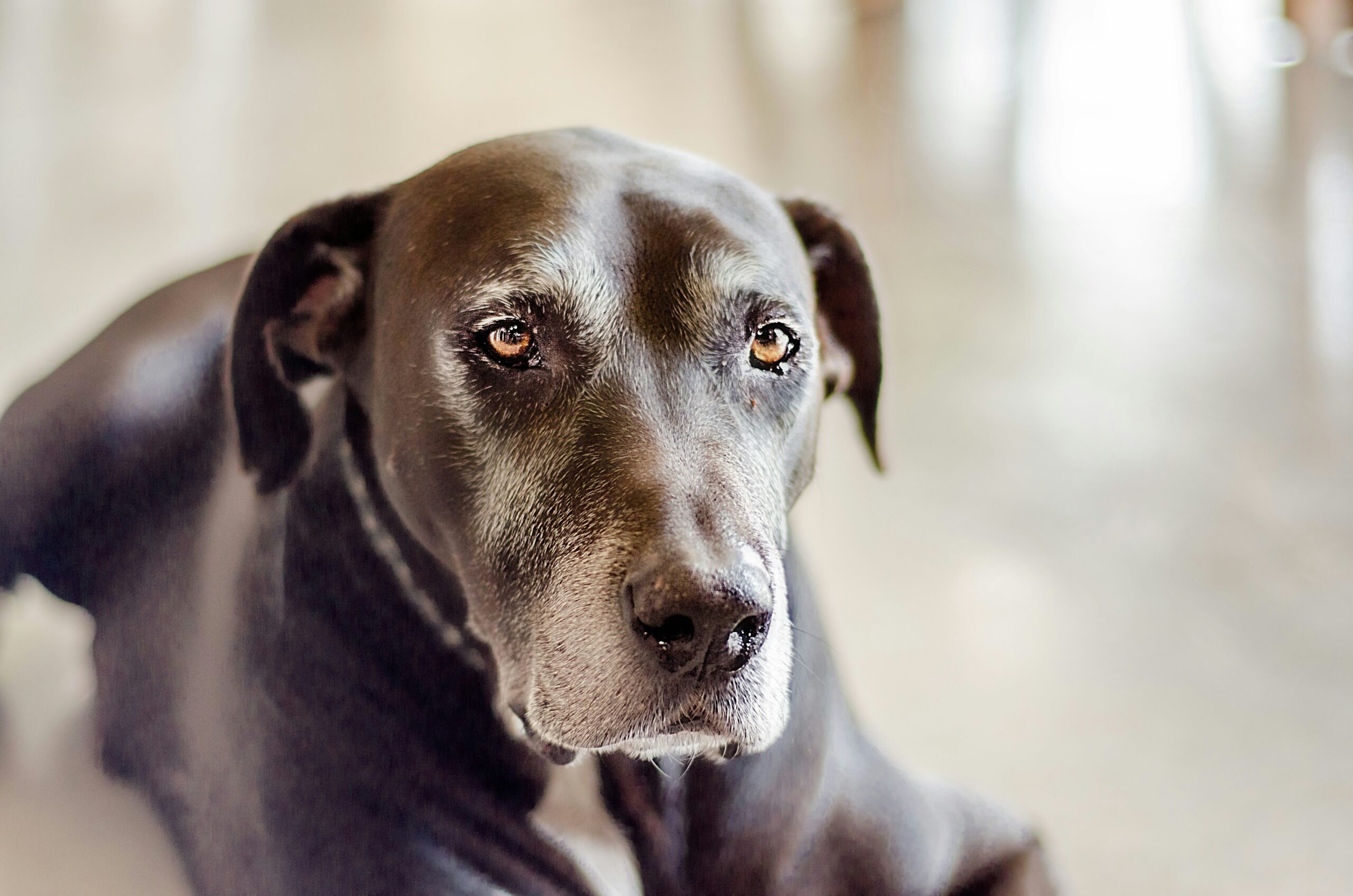
How to Help an Anxious Dog: 7 Different Tips for Pet Owners
If you notice signs of anxiety in your dog, such as pacing, trembling, withdrawing, hiding, lowering their tail, or acting irritably, there are various ways in which you can help. Here are seven different tips you should consider following.

1. Introduce Anxiety Toys
Anxiety toys can be introduced to help manage your dog’s stress. These toys are specifically designed to keep dogs mentally stimulated and distracted from any stressors. Often, they involve tasks like removing treats or pieces from the toy, which captivates the dog’s interest.
For instance, puzzle toys filled with your dog’s favourite treat can work wonders in alleviating their anxiety. They will focus their energy on solving the puzzle instead of feeding into their anxious tendencies.
2. Create a Safe Space
Another helpful step you can take is to create a safe space at home where your dog will feel secure and comfortable. This place should be quiet and comforting where they can retreat during stressful situations, such as thunderstorms or parties.
It could be a special bed in the corner of the room or perhaps a crate with the door left open so your pooch can come and go as they please. Also, remember to fill the space with their favourite blankets and toys for maximum comfort.
3. Try Giving Your Dog Premium Supplements
You could also try the effective strategy of incorporating dietary supplements into your canine friend’s feeding routine. For example, this immune-boosting mushroom blend for dogs can enhance dogs’ immune systems and help to reduce oxidative damage.
High-quality supplements that contain essential vitamins and minerals cannot only strengthen your pet’s immunity but also reduce their stress-related symptoms.
4. Regularly Groom Your Dog
Regularly grooming your dog can improve their mental health significantly. Brushing your pet not only keeps their skin healthy and fur glossy. It also provides you with an excellent opportunity to bond with them. This bonding time provides comfort and might lessen feelings of anxiety.
5. Use Calming Pheromones
Harnessing the power of calming canine pheromones can be highly beneficial. These naturally occurring chemicals help to soothe stressed pets, mimicking the type of pheromone that mother dogs emit to calm their puppies.
They come in various forms, such as diffusers, sprays and collars, and they work by releasing a synthetic version of a comforting scent into the environment. Having a calming aroma around can often help anxious dogs feel more secure and relaxed.
6. Explore Behavioural Training
Behavioural training can also serve as a valuable tool when addressing dog anxiety.
Techniques can be as simple as positive reinforcement, where good behaviour is rewarded. But you might like to engage a dog trainer who specialises in anxiety issues. They can provide expert advice tailored specifically to your pet’s needs and develop an effective training regime.
7. Implement Routine Check-ups
On top of the above strategies, routine visits to the vet are crucial when managing an anxious dog.
Regular health checks ensure any physical ailments potentially contributing to anxiousness are promptly identified and treated. Your vet can also provide professional advice on managing anxiety and may suggest other treatment options for your dog.
Final Thoughts
Easing your dog’s anxiety will most likely not be an overnight process. But with time and patience, and following some or all of the above helpful tips, you can assist your dog in feeling less anxious and living a full and fulfilling life.
To recap, you could help your anxious dog by:
- Introducing anxiety toys.
- Creating a safe space.
- Giving your dog premium supplements for anxiety.
- Regularly grooming your dog.
- Using calming pheromones.
- Exploring behavioural training.
- Implementing routine check-ups with the vet.