Understanding Your Dog’s Needs In Old Age
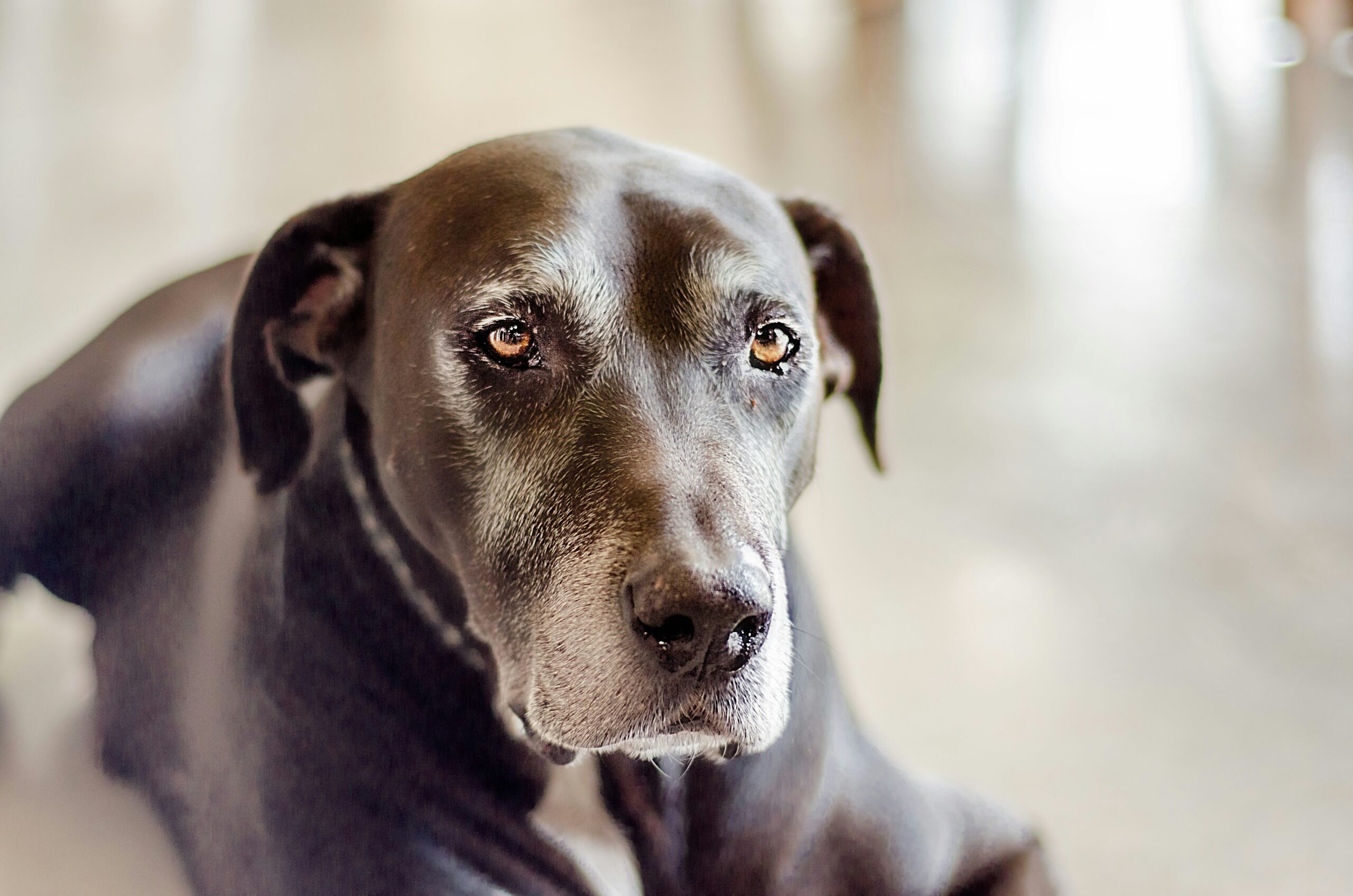 Age brings many changes, and for dogs, these shifts can be seen in their movement, energy levels, and overall well-being. Stiff joints, slower walks, and sensitive digestion are all common signs that a once-energetic companion is entering their senior years. While these changes are natural, the right care and adjustments can make all the difference.
From supporting aching joints to ensuring a comfortable home environment, understanding what an ageing dog needs is the key to helping them stay happy and healthy for years to come.
Less Stamina for Walks & The Need for Rest
As dogs age, their energy levels naturally decline. While exercise is still essential, long or strenuous walks can become too exhausting for senior dogs. It’s important to adapt their walking routine by opting for shorter, slower-paced walks with frequent breaks.
Allowing them to rest when needed and monitoring signs of fatigue, such as excessive panting or lagging behind, ensures they get the right amount of movement without overexertion. If mobility is a challenge, consider using a dog stroller or carrying them for parts of the walk to ensure they still enjoy outdoor time.
Sore Joints
Joint pain and stiffness are among the most common problems in ageing dogs, often due to arthritis or natural wear and tear.
Signs of joint discomfort include reluctance to move, difficulty getting up, limping, or hesitation when climbing stairs. Providing support through joint supplements such as glucosamine, chondroitin, and omega-3 fatty acids can help maintain joint health and reduce inflammation.
In addition, gentle exercises, such as swimming or short walks on soft surfaces, can help keep joints mobile without putting too much strain on them. Investing in orthopaedic bedding can also help relieve pressure on sore joints and improve sleep quality.
Limited Mobility & How to Support Your Dog
Reduced mobility can result from arthritis, hip dysplasia, or general muscle weakness. Some dogs may struggle to get up, navigate stairs, or move around as easily as they once did. Home adjustments can make a big difference—placing ramps instead of stairs, using non-slip flooring to prevent falls, and raising food and water bowls to reduce strain.
Hydrotherapy and physiotherapy can also help maintain muscle strength and flexibility, providing gentle support for an ageing dog’s body. Consulting a vet for pain management options can further improve their comfort and mobility.
Increased Need for Toilet Breaks
Ageing dogs often need to relieve themselves more frequently due to a weaker bladder or medical conditions such as kidney disease or diabetes. Accidents may become more common, but they can be managed with small lifestyle adjustments. Taking them outside more often, particularly after meals and before bedtime, helps prevent accidents indoors.
For dogs struggling with incontinence, using absorbent bedding and puppy pads can make cleanup easier. If changes in bathroom habits become drastic, a vet check-up is recommended to rule out underlying health concerns.
Loss of Grip & Preventing Slips
Older dogs may struggle with traction due to weakened muscles and joint pain, leading to slips and falls on smooth surfaces. Providing non-slip mats, rugs, or paw grips can help them move around with more confidence.
Trimming fur between paw pads and keeping their nails well-maintained can also improve grip. Additionally, senior-friendly footwear, such as non-slip socks, can provide extra support on slippery floors.
Dietary Requirements & Stomach Issues
As dogs age, their metabolism slows, and they may develop digestive sensitivities. Signs of stomach issues include bloating, excessive gas, constipation, or changes in appetite. Senior dogs often benefit from a diet rich in easily digestible proteins, high-quality fibre, and healthy fats. Switching to senior-specific dog food can provide balanced nutrition tailored to their needs.
Supplements like probiotics can also support gut health and improve digestion. Always monitor portion sizes and adjust meals according to their activity level to maintain a healthy weight.
Additional Considerations for Senior Dogs
Caring for an ageing dog goes beyond physical needs—mental and emotional support is equally important. Regular vet check-ups are crucial to monitor for age-related conditions such as dental disease, hearing or vision loss, and cognitive decline. Providing mental stimulation through puzzle toys, gentle training, or sensory activities can help keep their minds sharp.
Creating a warm and cosy resting area helps them feel secure, especially as they become more sensitive to temperature changes. Lastly, patience and affection are essential, as senior dogs may become more anxious or dependent on their owners.