
How modern families are designing versatile backyard spaces for everyday play
Busy households increasingly view their backyards as crucial extensions of their living space. Balancing dynamic recreation spaces for growing children alongside relaxed outdoor retreats for adults can feel like a complex puzzle. Designing a flexible exterior environment allows your family to enjoy fresh air together without sacrificing comfort or safety.
A thoughtful layout transforms an underused lawn into a multi-generational sanctuary where everyone finds room to recharge. Step-by-step planning ensures your outdoor project serves your household today while adapting effortlessly as your children grow.
How Do You Divide Your Yard into Distinct Activity Zones?
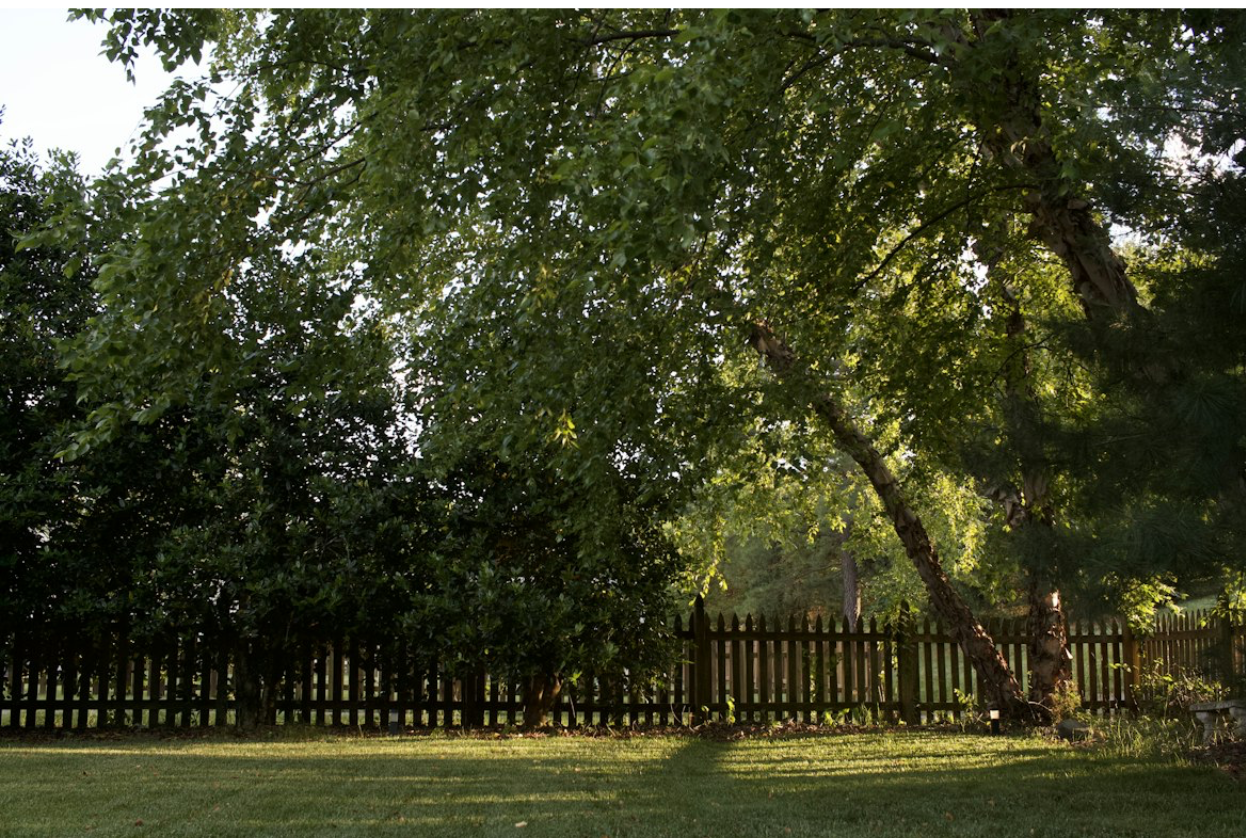
Creating a multi-functional backyard starts with clear spatial zoning. Dividing your lawn into defined sectors prevents toys from overtaking relaxation areas and establishes an intuitive flow throughout the property. Position active play areas within direct sightlines from primary indoor rooms, such as the kitchen or main living space, so you can monitor children while preparing meals or relaxing inside.
When planning structural elements like elevated decks or ground-level patios, work with Cincinnati deck building specialists to establish clear boundaries between cooking, lounging, and play zones. Strategic placement of outdoor furniture, planters, and walkways helps direct foot traffic naturally. Assigning dedicated storage solutions near play equipment keeps balls, ride-on toys, and game sets organized, leaving lounging decks clutter-free for evening relaxation.
What Are the Best Material Choices for Family-Friendly Decks?
Selecting the right building materials directly impacts how safely and frequently your family uses the yard. Traditional pressure-treated lumber presents ongoing maintenance challenges, requiring regular sanding, staining, and sealing to prevent splinters, warping, and nail pop-ups. High-performance composite decking offers a splinter-free, slip-resistant surface that stands up to heavy foot traffic, spilled drinks, and unpredictable weather without deteriorating.
According to home design reporting on Wonderful Creations Blog, designing flexible outdoor spaces allows your backyard to evolve smoothly as your children’s interests change over time. Investing in low-maintenance materials gives busy parents peace of mind and frees up weekend hours previously spent on heavy maintenance tasks. Modern composites also resist moisture retention, reducing mold growth and providing superior traction under wet feet after rain showers or water play.
How Do You Keep Children Safe Around Steps and Elevators?
Childproofing your outdoor environment requires the same attention to detail as interior safety measures. Elevated decks, patio stairs, and sunken seating areas introduce drop-offs and climbing hazards for toddlers and young children. Installing robust perimeter railings with narrow baluster spacing prevents curious youngsters from squeezing through or attempting risky climbs.
Safety measures like self-closing, self-latching gates at deck stairways prevent toddlers from accessing steps unattended. Smooth, rounded top rails minimize scrapes, while secure gate hardware keeps play contained within supervised boundaries. Inspecting deck fasteners, post anchors, and stair treads regularly ensures that structural elements remain tight and sturdy throughout years of energetic family activity.
What Role Does Lighting Play in Evening Family Recreation?
Extending the usability of your backyard into the twilight hours requires a layered approach to outdoor illumination. Well-planned lighting transforms your yard from a daytime playground into a cozy evening gathering spot for family dinners or night games. Overhead ambient fixtures cast a soft glow across seating areas, while focused downlights highlight cooking stations and dining tables.
A recent feature on Mom With Five highlights how incorporating ground coverings, open play zones, and simple play structures helps kids transition outside naturally throughout the day. Adding subtle step lights, low-voltage riser lights, and path illumination ensures safe navigation when dusk arrives. Solar-powered cap lights on fence and deck posts define perimeter boundaries, preventing trips over toys or uneven turf during late-night outdoor games.
How Can Outdoor Spaces Adapt as Your Children Grow?
Long-term yard planning requires structures that shift roles as family dynamics change. A gravel sandpit that delights toddlers can easily convert into a raised vegetable bed or fire pit zone a few years down the road. Flexible open lawn areas provide room for t-ball or tag today, leaving space for sports nets or casual lounging furniture later on.
Choosing modular furniture, durable decking platforms, and adaptable landscaping beds prevents expensive overhauls every few seasons. Multi-purpose benches with built-in storage hide active play gear now and store cushions or throw blankets in future years. Smart initial investments yield a versatile exterior sanctuary that continually serves your household through every stage of childhood and beyond.
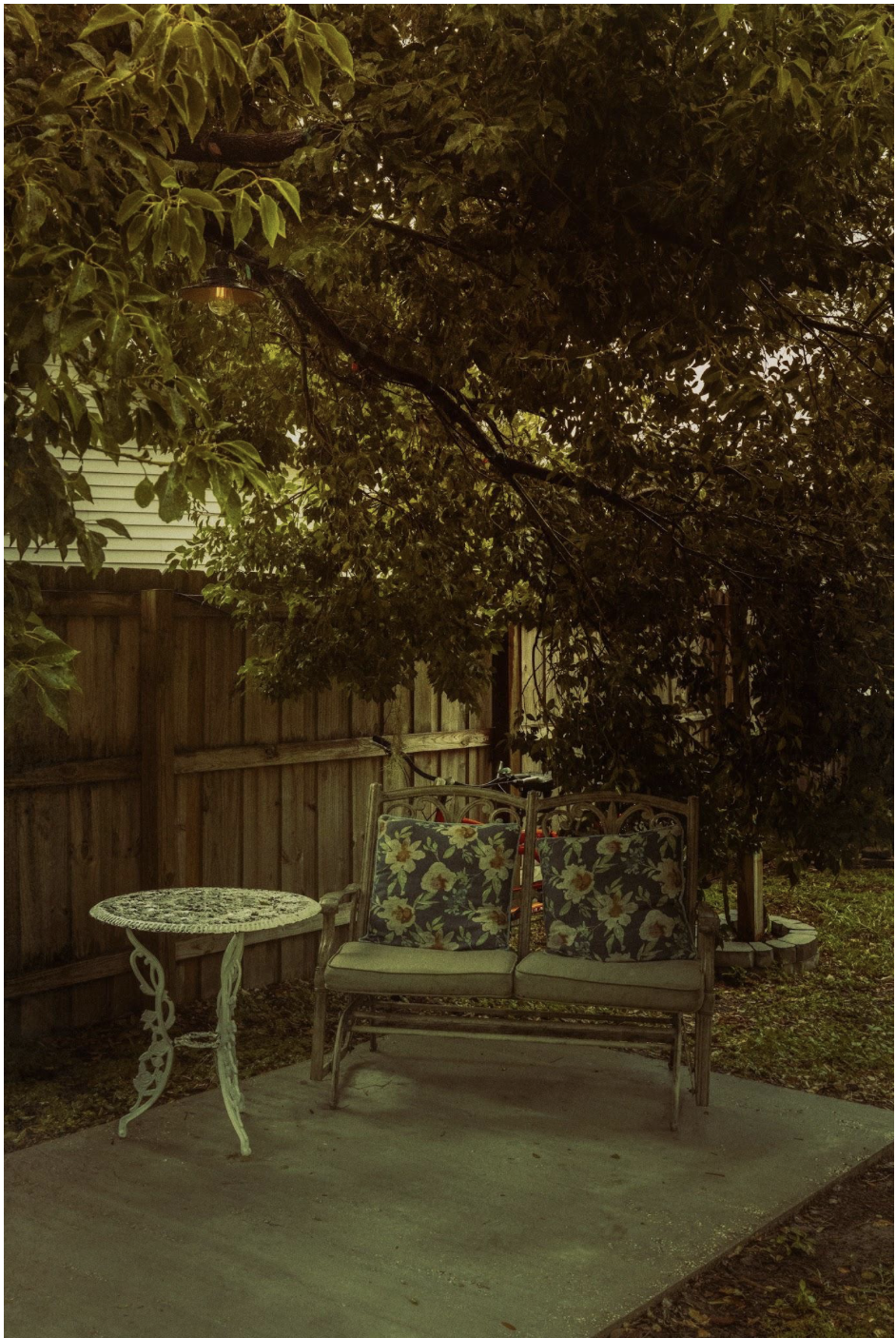
A well-designed family backyard bridges the gap between active childhood play and restorative adult leisure. Strategic layout planning combined with safe, resilient construction choices turns your outdoor area into a true living space extension. Designing with flexibility in mind ensures your family enjoys a secure, comfortable retreat for years to come.


