How climate-controlled growing spaces shield family gardens from unexpected weather
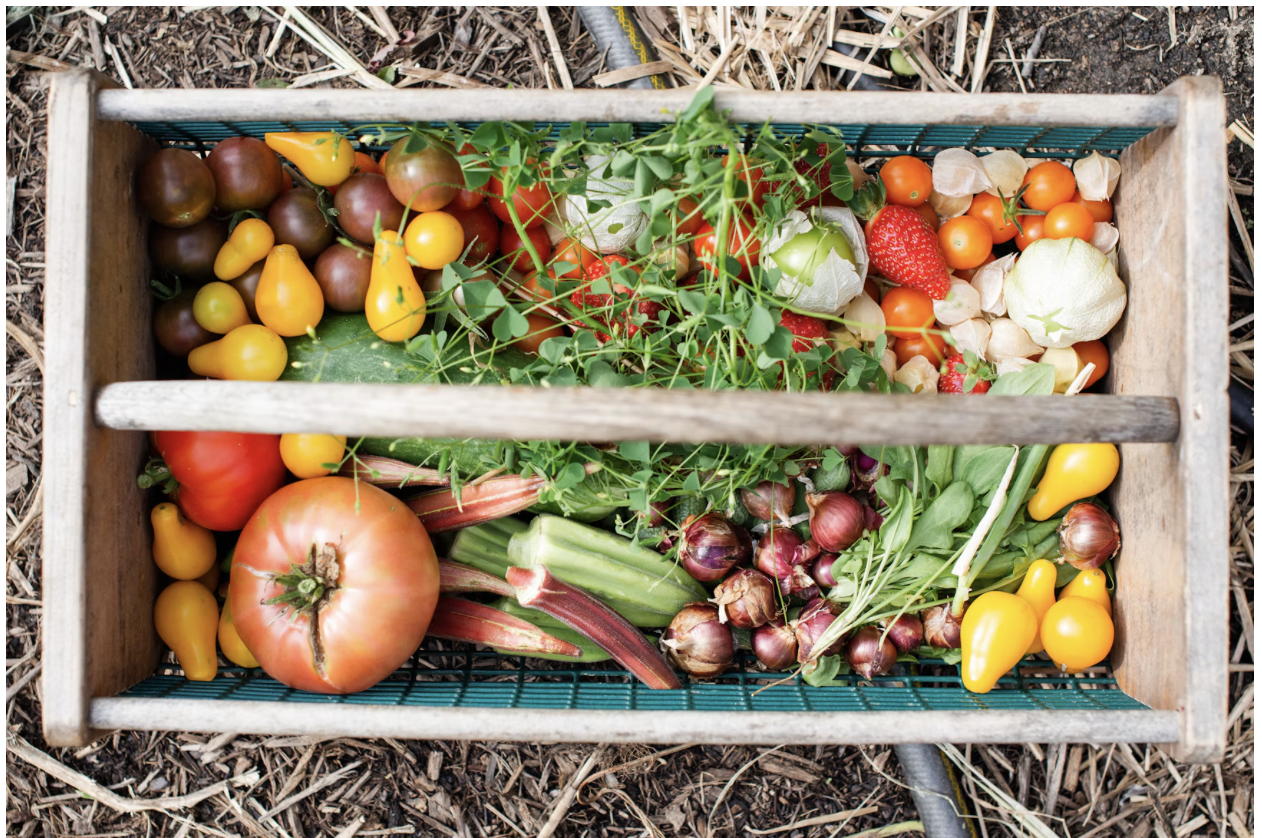
You invest hours of care into cultivating crisp greens, heirloom tomatoes, and tender berries, only to watch a sudden overnight freeze ruin months of patient effort.
Unpredictable weather swings and early frosts catch home gardeners off guard, turning productive backyard beds into wilted patches overnight. Exposed vegetable patches remain vulnerable to erratic temperature swings that arrive without warning.
Installing a durable, protected growing environment gives you complete authority over your garden microclimate. When you house your plants inside a purpose-built structure, you shield fragile crops from cold, intense heat, and high winds while creating a dependable food source for your family throughout the year.

Why does commercial-grade structural planning protect your investment?
Constructing a dependable growing space requires heavy-duty materials that endure relentless seasonal storms without warping or collapsing. By purchasing heavy-gauge galvanized steel framing from Rimol, a New Hampshire greenhouse manufacturer, you obtain structural load capacities designed to handle deep winter snowpacks and fierce wind gusts. These engineered structures preserve your garden investment across changing seasons, ensuring your growing space stands firm during intense storms.
You avoid the recurring expense and frustration of replacing bent metal tubing after unpredictable weather events. Commercial framing incorporates specialized base brackets, purlins, and truss assemblies that resist twisting forces.
Light consumer kits frequently buckle under heavy wet snow loads because they lack robust wall thickness and secure anchor points. Choosing a structure with proven engineering ratings gives your family food security and complete confidence season after season.
How do sudden temperature swings threaten your backyard crops?
Changing seasons bring erratic temperature fluctuations that inflict heavy stress on unprotected outdoor crops. Mild autumn afternoons frequently collapse into subfreezing temperatures before nightfall, shocking plant roots and bringing active development to an abrupt halt.
Subfreezing air causes cellular moisture within plant foliage to freeze, rupturing cell walls and destroying vulnerable tissue. Tender crops like sweet peppers and late-season squash stop setting fruit, while fragile greens turn dark and mushy. You watch weeks of planning disappear because outdoor rows lack an adequate thermal barrier.
Why do covered structures stop devastating cold snaps?
Covered growing structures create an insulating pocket between your garden beds and the harsh surrounding atmosphere. The overhead glazing captures passive solar energy during sunny daylight hours and releases that stored warmth slowly as nighttime arrives.
Pennsylvania State University Extension documented that protective plastic coverings and rigid greenhouse panels reduce freeze injury risk during abrupt cold snaps by blocking convective heat loss. By capturing ground heat within a closed envelope, your covered setup maintains warmer soil conditions that sustain active root function through sharp regional cold waves.
What airflow systems keep your growing environment healthy?
Enclosed growing spaces demand continuous air movement to regulate indoor heat and moisture. Strong sunshine can quickly elevate internal temperatures to harmful levels during mild spring days, stressing young seedlings long before you detect the spike.
Air exchange prevents pockets of still air where fungal spores establish colonies. Motorized intake shutters draw fresh outdoor air into the structure, while exhaust fans expel trapped heat near the roofline.
Balancing mechanical air movement with passive ventilation maintains stable humidity levels inside your growing bays. Fresh air cycling removes excess water vapor created through plant transpiration before moisture settles onto leaves.
Setting your motorized intake shutters to open along lower sidewalls creates a steady upward draft toward roof exhaust vents. This directional airflow patterns air across foliage, reinforcing stem strength without chilling roots.
How do automated shade systems prevent dangerous heat stress?
Intense summer heat damages backyard crops just as severely as unexpected freezing events. Midday solar radiation cooks fragile plants, drying out container soil and triggering flower abortion across fruiting varieties.
Cornell University Cooperative Extension notes that high temperatures exceeding 90 degrees Fahrenheit stall tomato pollination, making adjustable ventilation and shading in covered garden structures practical for summer yield stability. Hanging woven shade cloth across the upper roofline intercepts harsh light waves while admitting sufficient ambient sunlight for vigorous vegetative photosynthesis.
Automated controller units operate ridge vents, side curtains, and shade panels without requiring constant manual intervention. If temperatures surge while you remain away at work, responsive temperature sensors trigger ventilation fans to flush out hot air. Your plants stay comfortable and productive without demanding hours of continuous monitoring.
Practical maintenance steps for lasting structural defense
Maintaining your protected growing space preserves structural integrity through decades of turbulent outdoor weather. Implementing a few straightforward seasonal maintenance routines keeps your setup functioning at peak efficiency:
- Anchor ground posts deeply: Drive foundation posts below local frost depths to stop shifting ground from twisting framework connections.
- Inspect mechanical fasteners regularly: Tighten structural bolts, purlin clamps, and cross-bracing hardware ahead of severe winter storms.
- Seal glazing panel seams: Fasten durable weather-stripping along panel edges to stop drafts from chilling indoor beds.
Achieving lasting gardening success requires investing in a durable, professionally engineered growing structure. When you erect a high-performance space designed for extreme weather resistance, you insulate your home harvest from unpredictable seasonal changes and enjoy bountiful homegrown food across every season.