Blepharoplasty in New Jersey: What Surgeons Wish Patients Knew
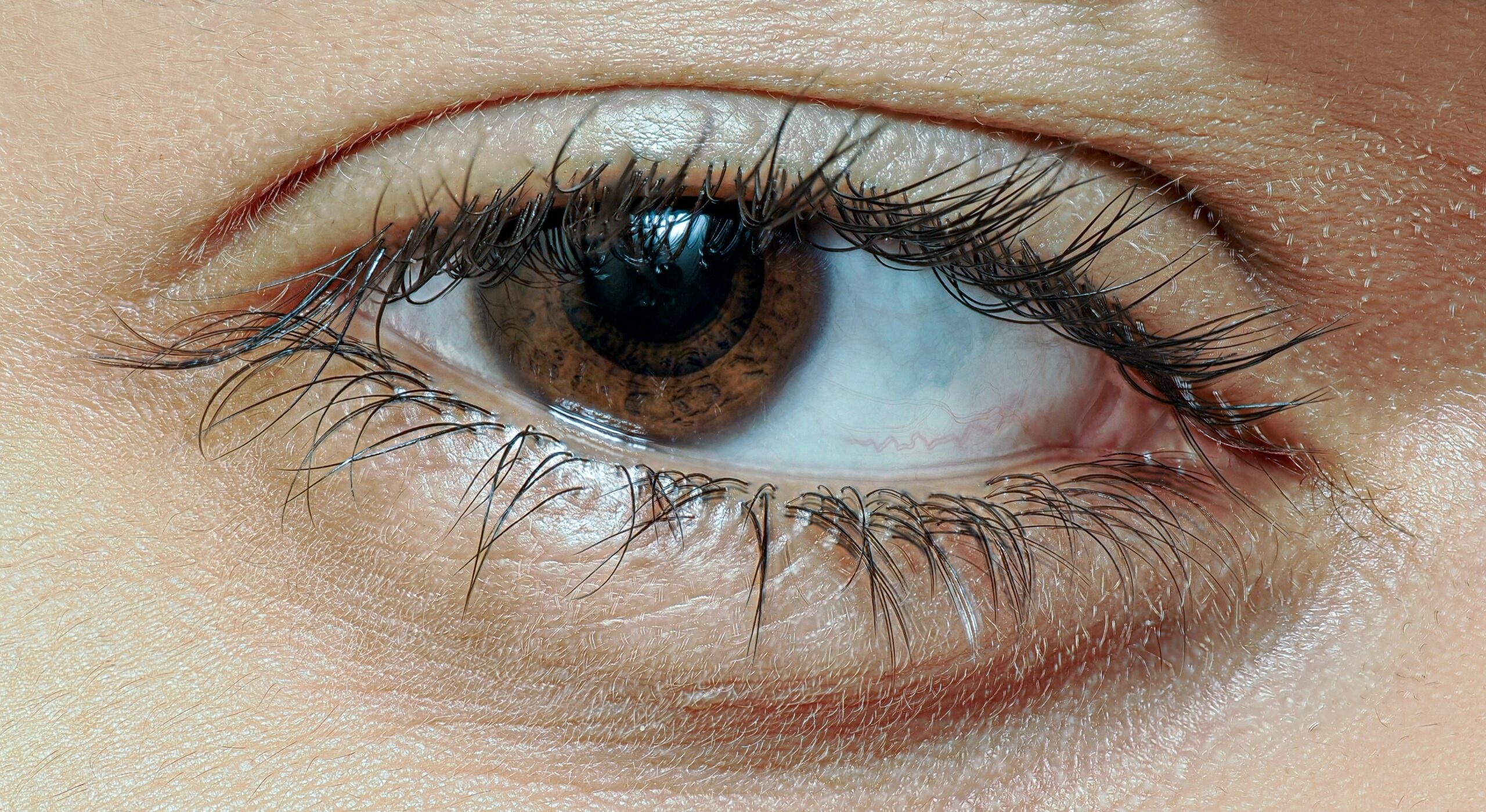 Most people don’t seriously consider eyelid surgery until something starts to feel off. It might be how your eyes look in photos, or how makeup doesn’t sit the same anymore. Sometimes, it’s a subtle heaviness that makes you look more tired than you actually feel.
If you’ve been exploring your options, especially in a place like New Jersey where procedures like this are widely talked about, you’ve probably seen a mix of opinions, results, and expectations. It can get a little overwhelming trying to figure out what’s realistic and what’s just marketing.
That’s where a surgeon’s perspective becomes helpful. Beyond the surface-level results, there are a few things they consistently wish patients understood before moving forward.
Here are a few of those insights.
1. It’s Not Just About Looking Younger
A lot of people walk into consultations thinking this is purely cosmetic. And yes, it can make you look more refreshed. But that’s only part of it. In many cases, blepharoplasty also improves function. Drooping upper eyelids can actually block part of your vision. Some patients experience measurable improvement in their visual field after surgery.
That changes how you read, drive, and even how your eyes feel at the end of the day. So when people start researching options like blepharoplasty in New Jersey, they’re often surprised when the surgeon guides the conversation beyond appearance alone. Surgeons look at how your eyelids are affecting your daily comfort and vision, not just how they look in a mirror.
Surgical practices such as Glasgold Group Plastic Surgery tend to approach it this way, helping patients understand that the goal is a natural, balanced result that fits their face and lifestyle. They often walk through both the cosmetic and functional side, so nothing feels rushed or unclear. That extra clarity early on can make the whole decision feel more grounded.
2. Recovery Is Short, But It Still Requires Patience
There’s this idea that eyelid surgery is quick and easy. It is relatively minor compared to other procedures, but that doesn’t mean instant results. Most people return to normal routines within 10 to 14 days. But healing doesn’t stop there.
Here’s what actually happens:
- Swelling and bruising peak in the first few days
- Visible improvement shows within a few weeks
- Final results settle over 3 to 6 months
That last part is what surprises people. You might look “better” early on, but the refined, natural result takes time. Surgeons often say the hardest part isn’t the surgery. It’s waiting without overanalyzing every little change in the mirror.
3. Your Expectations Shape Your Satisfaction
This is one of the biggest things surgeons quietly worry about. Blepharoplasty can make you look rested, more open, and less heavy around the eyes. What it won’t do is completely change your face or erase every line around your eyes.
There are some common expectations surgeons have to reset. Eyelid surgery won’t remove crow’s feet entirely. It won’t stop aging. It won’t make you look like someone else.
Interestingly, satisfaction rates are still very high, with around 93% of patients reporting being happy with their results. The difference usually comes down to mindset. Patients who understand what the procedure can realistically do tend to feel more at ease during recovery and happier long-term.
4. Risks Are Rare, But They’re Real
This part doesn’t always get enough attention in casual conversations, but surgeons take it seriously. Blepharoplasty is considered safe, especially with experienced specialists. Still, like any surgery, there are risks.
Some of the more common or possible ones include:
- Temporary dry eyes
- Swelling or bruising
- Minor asymmetry
There are also some very rare ones, such as difficulty closing the eyes, vision changes, and eyelid positioning issues. Generally, blepharoplasty complications are uncommon, and they’re usually mild and go away after some time. However, they’re part of why surgeon selection matters so much.
In practice, what surgeons really want is for patients to go in informed, not fearful. Knowing the risks doesn’t mean something will go wrong. It just means you’re prepared.
5. The Surgeon You Choose Matters More Than You Think
This might sound obvious, but it’s often underestimated. Eyelid surgery isn’t just about removing skin. It’s about balance. Removing too much can create a hollow or “overdone” look. Removing too little might not give the improvement you expected. The eye area is delicate. Small changes make a big difference.
A good surgeon looks at:
- Your facial structure
- Skin elasticity
- Eye shape and symmetry
- Even brow position
Sometimes, what you think is an eyelid issue might actually involve the brow or surrounding areas. Skilled surgeons will tell you that, even if it means adjusting your plan.That honesty is usually a good sign.
Patients who take the time to research their surgeon tend to feel more confident before and after the procedure. And that confidence carries through the entire experience.
Final Thoughts
Blepharoplasty is one of those procedures that seems simple on the surface but has a lot going on underneath. It can refresh your appearance in a subtle way. It can also improve how your eyes function day to day. But the outcome depends on more than just the procedure itself.
It comes down to timing, expectations, and who you trust to guide you through it. If you’re thinking about it, slowing down to understand these parts can make the process feel a lot clearer and a lot less overwhelming.