Legalized And Safe Materials That Are Used In Manufacturing Medical Equipment
Medical devices are some of the most significant innovations done to help push the medical industry. These devices help patients recover from their ailments, with some providing support to various body functions. Some of these devices are also used in medical research and to improve the provision of medical services. Manufacturing medical equipment requires safe materials and those legalized by medical organizations. The materials should also be cheaper, compatible with the manufacturing process, and enhance patient safety. This article will discuss some of the legalized and safe materials you can use. Here is the list.
 1. Metals
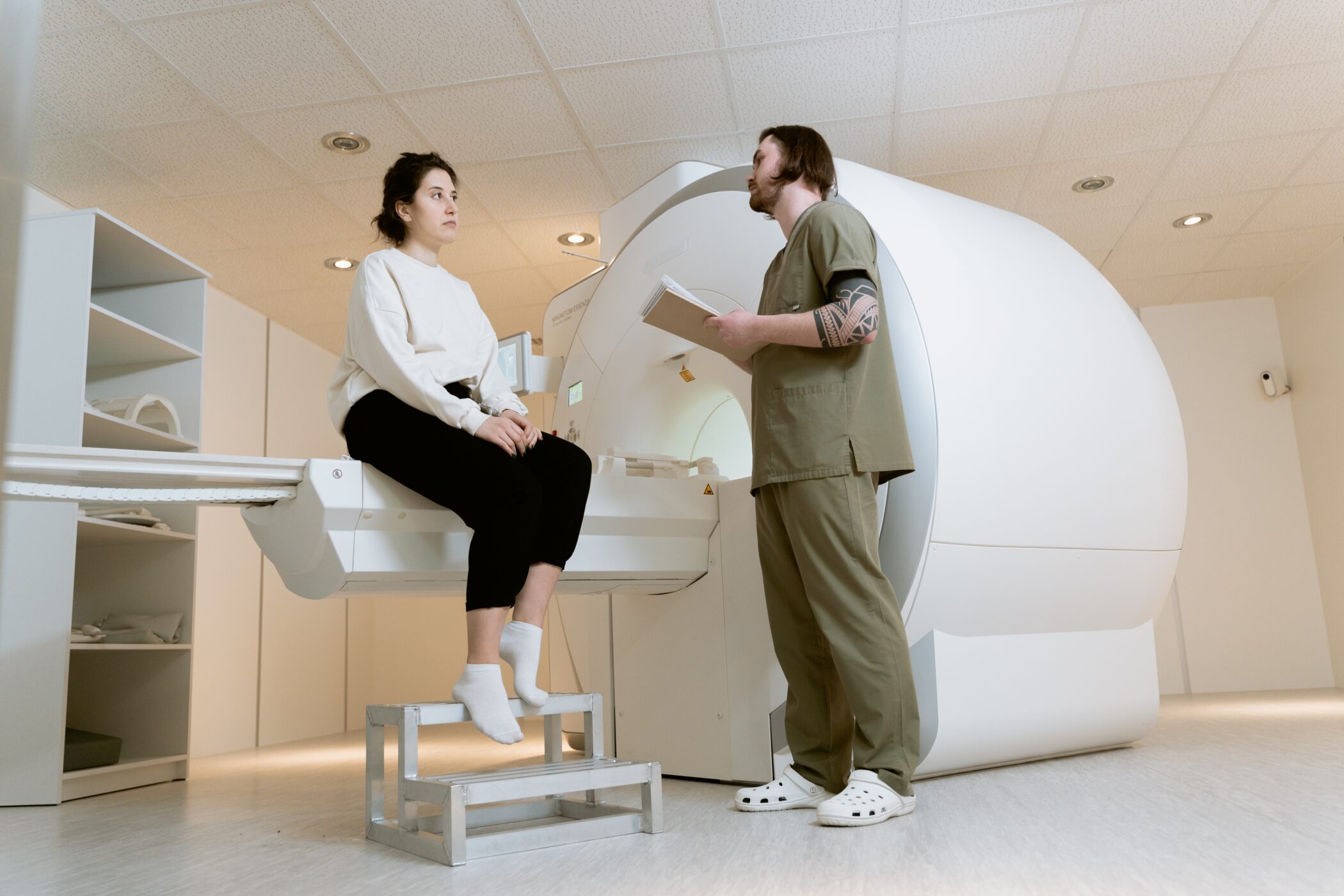
When it comes to metals, not all are suitable in the manufacture of medical equipment. There are only a few approved metals, especially for medical devices implanted into the human body. Surgical steel is the primary metal used for implants and to repair bone fractures and other dislocations. There is also Titanium, a metal that is used for bone implants and also for casings. Some of these materials are also enforced with titanium alloy to make them strong and safe. It would be best to check on the metal composition before purchasing any equipment made of this material.
2. Plastics
Plastics, with their malleability, have found many uses in manufacturing medical equipment. However, like the metals, not all plastics are suitable for these devices. The medical industry uses biocompatible plastics, which are used to manufacture different medical devices. For instance, Polyurethane is mainly used to make blood tubing, blood bags, and other devices, which make these catheter delivery systems work. On the other hand, polyetheretherketone is for making rigid tubing used for various purposes, while Polyetherimide is for surgical skin staples. All these materials can withstand heat without it affecting their rigidity. Any plastic used to manufacture medical equipment gets determined by USP Class VI and ISO 10993. All manufacturers need to get plastics that have passed this test.
3. Liquid Silicone Rubber
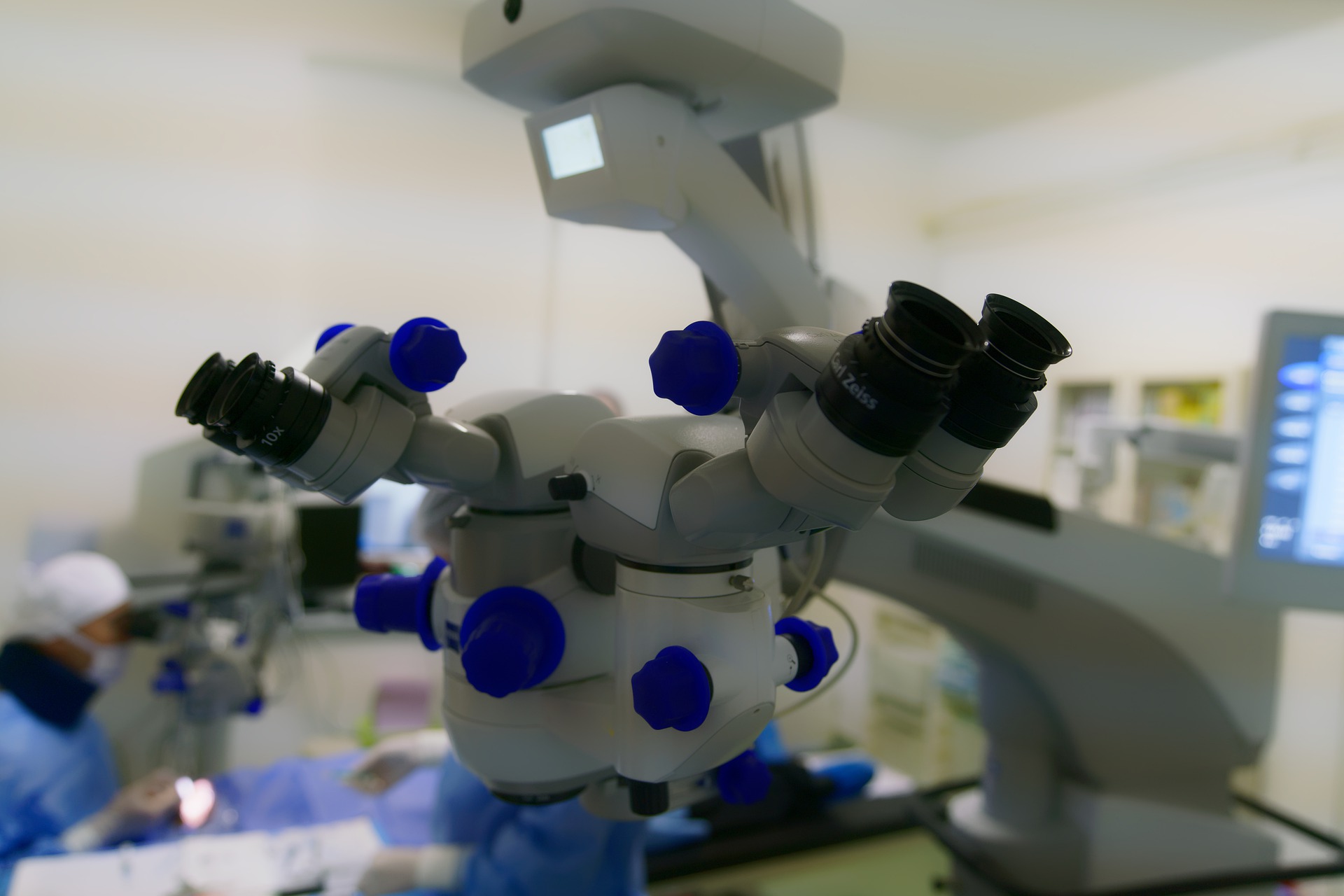 Most medical device manufacturers use liquid silicone rubber to manufacture different equipment due to its thermosetting property. The silicone rubber perfectly fits the USP Class VI and ISO 10993 standards and has other characteristics that make it a better choice for making medical equipment. The material can also get sterilized with autoclaves, E-beam, and gamma radiation procedures. Liquid Silicone Rubber also maintains its resilience and stays stable even when exposed to extreme temperatures.
4. Ceramics
Ceramics are solid materials that are neither organic nor metallic. This category holds different classes of materials, including clay, concrete, and glass. While these materials are oxides, they can get classified as silicide, nitrides, and carbides. Naturally, these materials are always hard, brittle with little or no elasticity.
They have low tension and shear strength, and in most cases, they exhibit a very high comprehensive strength. Most ceramics are poor conductors of electricity, with some acting as semiconductors. Due to their excellent insulation and molding capability, they manufacture some of the smallest medical devices, including implantable medical devices. Aluminum oxide is the most used ceramic to manufacture medical devices, but it’s gradually getting replaced by zirconium dioxide. The reason is that the latter can get oxidized with yttrium oxide to make it stronger. Other metal getting tested for this includes Lead zirconate titanate to replace the metal sensors.
5. Composites
These are the latest materials in use to manufacture medical equipment. These composite materials combine two or more of the materials explained above to produce unique material. Through the combination, the materials can take advantage of different materials’ desired characteristics while leaving out the unwanted characteristics.
For instance, combining plastic with metal retains the plastic’s moldability and weight while adopting the metal’s strength. These materials are used to manufacture devices that replicate or reinforce body tissues, including the bones, skin, teeth, and muscles.
6. Biomaterials
This might not be a class of materials but represents the subsets of the materials listed above used to manufacture the medical devices. The biomaterial can either be natural or synthetic material that readily interacts with the body’s biological system. These materials are used to manufacture inert devices which shouldn’t get absorbed by the body. However, research is ongoing to get materials that will react and dissolve in the body when used for medical procedures. This ensures the material is absorbed into the body, thus getting removed without undergoing a second medical procedure.
Suppose you plan to venture into a medical industry to manufacture devices; it’s essential to use only the safe and the legalized ones. Using the approved materials increases your chances of getting FDA approval, thus making your product readily acceptable in the market. It is essential to work with material experts to get the right quality for manufacturing various medical devices.