5 Signs You Have Poor Indoor Air Quality
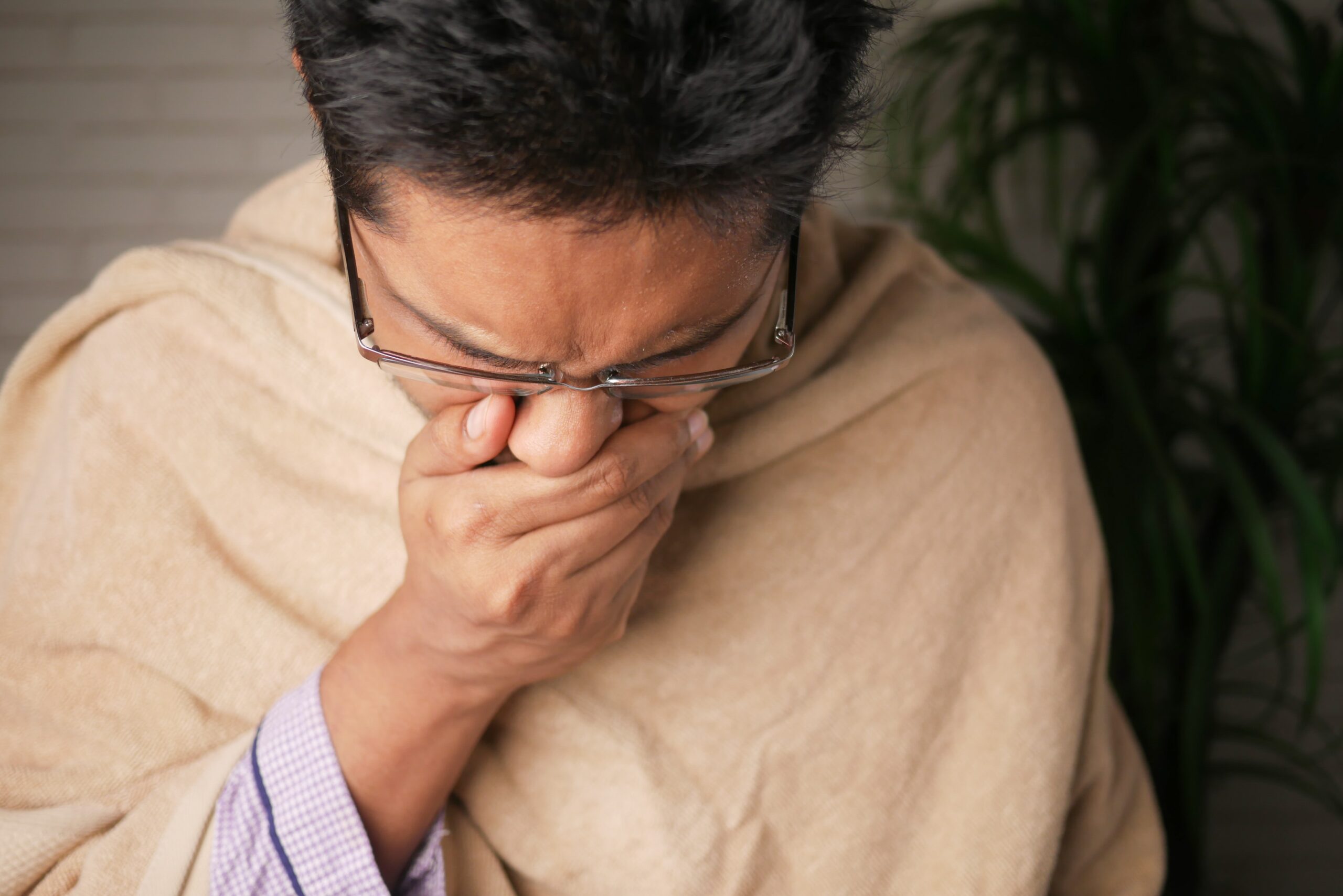 Having poor indoor air quality can be an uncomfortable and even dangerous experience. From allergens to mold and other toxins, the air you breathe in your home or office can affect your health, comfort and productivity.
Correcting the problems causing your indoor air quality will require some professional assistance. Experienced indoor air services will have the tools needed to address your problems quickly.
Here are some signs you might notice if your indoor air quality is poor.
1. You Detect Mold and Musty Odors
Musty odors and mold are common and often overlooked signs of poor indoor air quality. A musty smell is usually an indication of mold growth, which can be found in damp and warm places such as bathrooms, basements, and attics.
Mold spores can also enter the home through open windows or doors. Not only do these spores cause unpleasant odors, but they can also contribute to respiratory issues such as asthma and allergies. Addressing mold issues is the only way to improve your indoor air quality.
2. An Excessive Amount of Dust
Excessive dust buildup is another common sign of poor indoor air quality. Dust can travel through open windows and doors, as well as through air ducts and vents. It can also be circulated through the home when someone vacuums or changes bedding. Dust particles contain allergens, pollen, pet dander, dirt, and other harmful toxins.
3. High Levels of Carbon Monoxide and Other Toxins
Carbon monoxide is an odorless, colorless gas that can be extremely dangerous if it accumulates in a home or office. Other harmful toxins such as radon, formaldehyde and asbestos can also enter the home through open windows or doors. All these toxins can be deadly if inhaled over prolonged periods.
4. Signs of Respiratory Issues and Allergies
If your family members or coworkers start experiencing breathing problems, sneezing, coughing, itchy eyes and throat irritation, these could be signs that you have poor indoor air quality. These issues could also be caused by dust, mold, or other pollutants in the air.
5. Inside of Your Home Feels Stuffy
Stuffy air that doesn’t circulate properly is a common sign of poor indoor air quality. Poor ventilation can cause the air to become stagnant, trapping airborne contaminants and increasing their concentration. This can lead to uncomfortable and hazardous pollutants like mold spores, dust, and even toxic gases such as carbon monoxide.
You may need more efficient ventilation systems installed in the home or office to improve indoor air quality and circulation. Let a professional inspect your current system and determine if any improvements can be made. Doing so will help reduce the number of pollutants in the air, leading to better overall health and comfort.
Poor indoor air quality can be a major cause for concern. It’s important to recognize the signs and take steps to improve them as soon as possible. With improved ventilation systems installed by experts in this field, you can reduce pollutants from entering your living space while providing clean, fresh air for everyone inside!