Why Aftercare is Important After Any Surgical Procedure
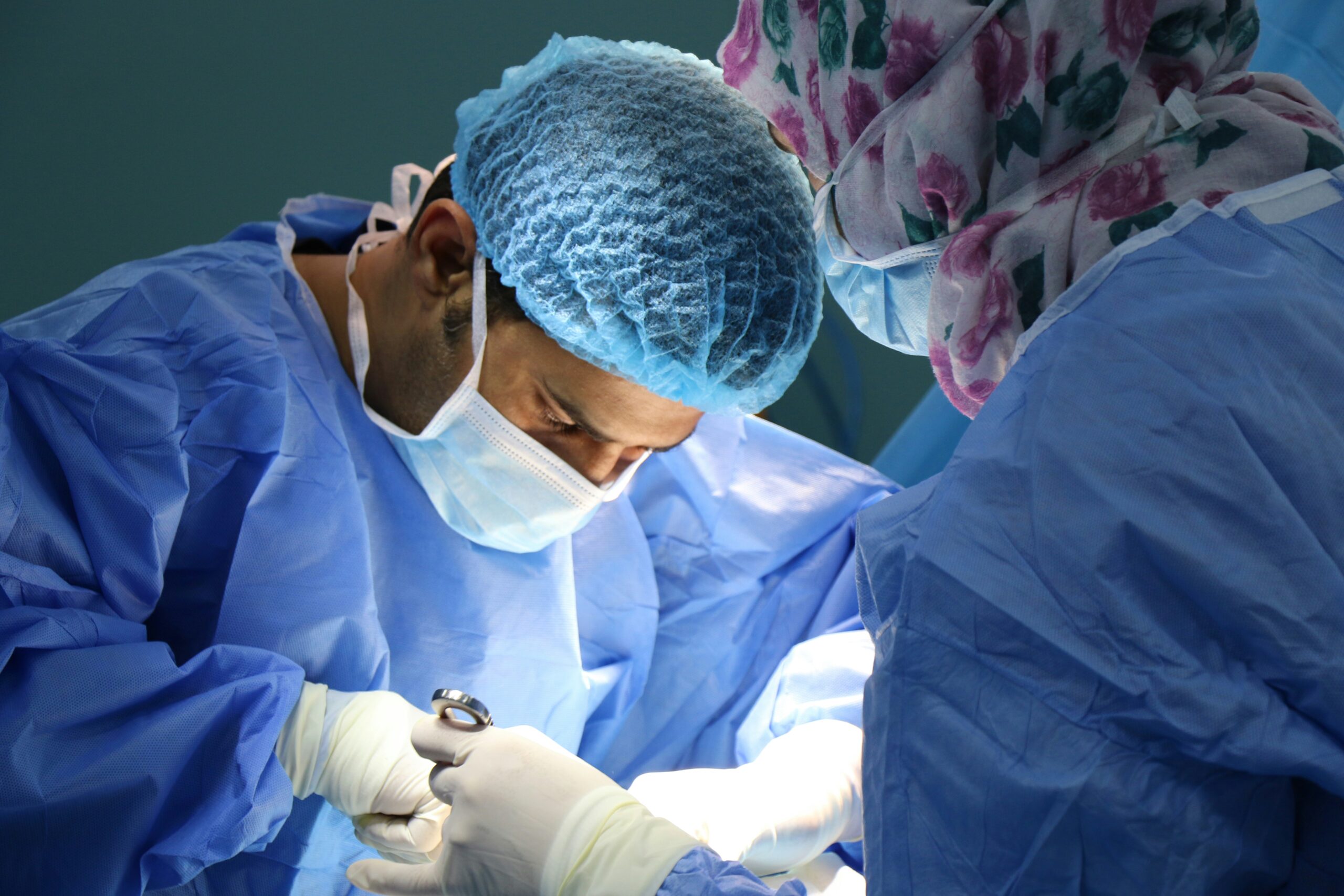 Proper aftercare following a surgical procedure will help you experience a smooth recovery and prevent complications. Neglecting aftercare can lead to serious issues, such as prolonged recovery times, and may require medical negligence claims.
This article will explore why aftercare is vital, what it involves, and the proactive steps you can take to aid your recovery.
Preventing Post-Surgical Complications
Aftercare will reduce the risk of post-surgical complications, problems that arise after surgery and were not an intentional part of the procedure. For example, walking and light exercise as soon as possible after surgery can promote oxygen delivery throughout the body. This stimulates circulation, lowering the potential development of blood clots.
Healthcare workers must properly wash their hands in the hospital or clinic to avoid cross-contamination when patients recover. Hand hygiene and sterilisation of all equipment before and after surgery can greatly reduce the likelihood of patients catching hospital-acquired infections, such as surgical site infections (SSIs) and pneumonia.
Managing Pain and Medication Adherence
Taking doctor-prescribed medications as directed is crucial for a smooth recovery. Nonadherence can result in readmission to the hospital and worse health outcomes. Medications help effective healing and minimise the chances of complications like chronic pain.
Many surgical procedures leave patients in pain for weeks or even months after they’re discharged from the hospital. To manage this pain, doctors may prescribe painkillers that reduce patient discomfort and the chance of a worsened outcome. Skipping medications and mismanaging pain will prolong your healing process.
The Role of Follow-Up Appointments
Regular check-ups with doctors will monitor the healing process and identify potential complications before they worsen. In follow-up appointments, doctors will assess the surgical site for proper wound healing and check for signs of infection to evaluate how well your body has responded to the surgery.
If you need to a follow-up appointment with the NHS, you may be able to use a patient-initiated follow-up (PIFU). This approach empowers you to manage your condition and share decision-making in the aftercare process.
Understanding Your Rights in Case of Negligence
If you’ve experienced inadequate post-operative care, you could file a medical negligence claim. Medical negligence occurs when the treatment (or lack thereof) provided to you after surgery doesn’t meet the reasonable standard of care expected. It also applies to injuries or worse outcomes resulting from this poor aftercare.
Your legal team must prove three elements to win your case and receive compensation. They must demonstrate that you were owed a duty of care, which was breached, before proving that you suffered from worse health outcomes due to the breach.
A successful claim will not only result in you receiving compensation. It can help reduce the chance of the same thing happening to someone else in the future. You can compensate for lost earnings and future treatments with your reimbursement.