
What You Need to Know About Car Warranties
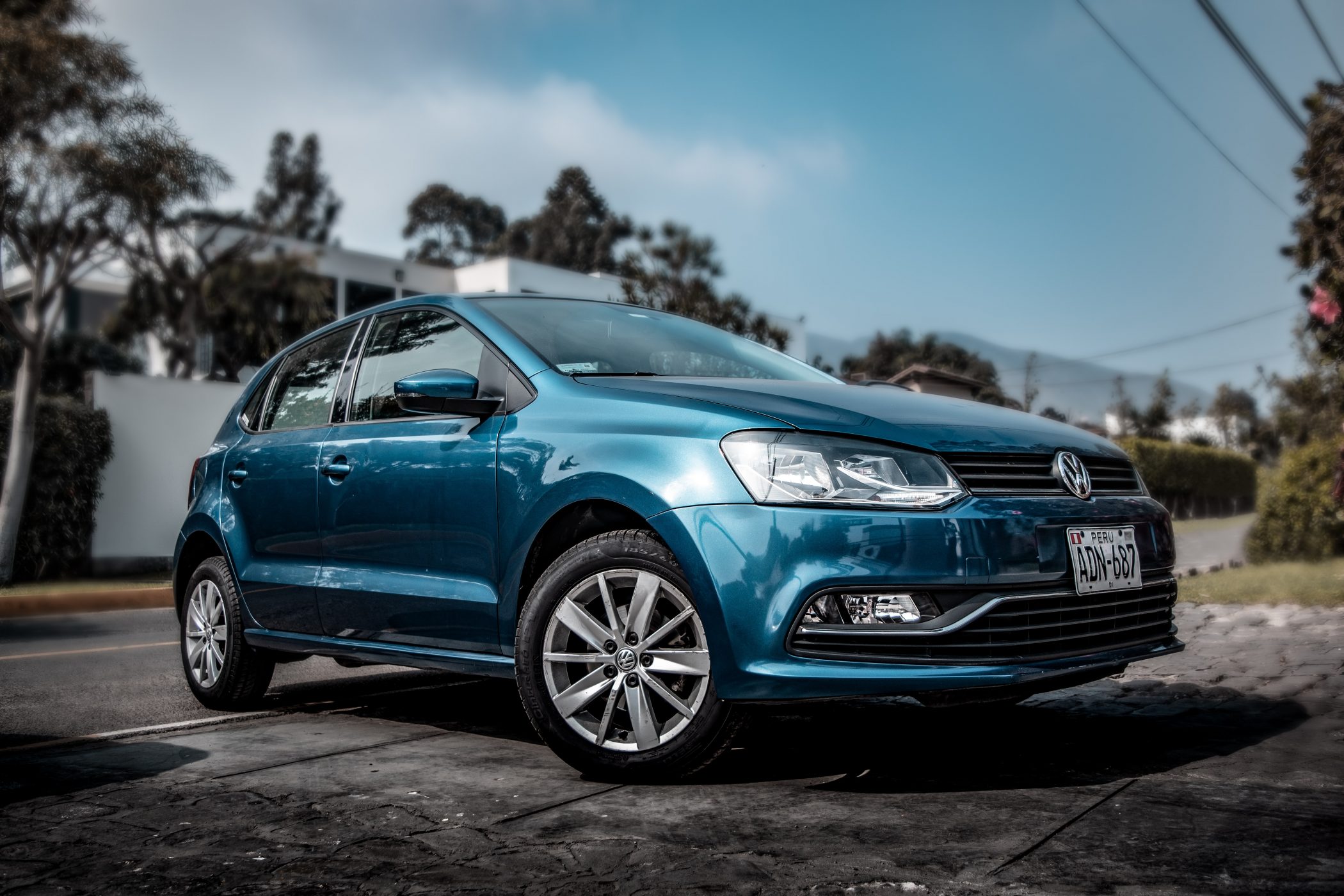 Car warranties are put in place to help with the repair of a vehicle, but not everyone knows how they work.
Some may assume that car warranties and car insurance are one and the same, but the car warranties work very differently to car insurance and are normally used to repair and place broken parts of the vehicle.
The following is an overview of what car warranties and the benefits they can offer, as well as some of the considerations that need to be made when searching for a car warranty.
What Do Car Warranties Cover?
Although the options available in relation to car warranties can vary between insurers, some of the most common items covered are as follows:
- Engine and Transmission
- Fuel and Ignition Systems
- Air Condition
- Electrics
- Gearbox
- Steering and Suspension
- Clutches and Brakes
In some instances, there can be additional cover available that include breakdown cover and car hire, but this again will vary among different insurers.
What Type of Car Warranties are Available?
Manufacturer’s Warranty: Usually included with new vehicles and can last up to 7 years.
Used Car Warranty: Those purchasing a second-hand vehicle can compare quotes in relation to a used car warranty. Although the dealership may offer cover, it won’t necessarily be the cheapest.
After Market Warranty: An after-market warranty can be acquired for used and new vehicles, although there could be restrictions in relation to the type of vehicle and the mileage that the warranty will cover.
Common Exclusions in Relation to Car Warranties
The common exclusions are something else that can vary depending on which insurance company is used, but an overview of some of the most common exclusion relating to car warranties can include but are not limited to:
- Specified Car Parts Such as Batteries and Wheels
- Vehicles Used for Racing
- Poor Workmanship
- General Wear-and-Tear
- Poor Work Carried Out on a Vehicle
Understanding Consequential Loss
Consequential loss is a term that can be thrown about when enquiring about car warranties, and not everyone will know what it means.
In short, it referred to an insured part of the vehicle becoming damaged as a result of an insured part becoming defective.
Understanding how consequential loss works ensures that the warranty being considered is the most suitable, so it’s important that the policy documents are reviewed before making a commitment.
Understanding How Betterment Works In relation to Car Warranties
Betterment is a term that’s used to describe a vehicle that’s put in a better condition than before it was repaired.
Although this can seem appealing to some, it can mean that the policy ends up being more expensive, as the vehicle owner may need to make contributions to the cost of the repair.
Again, it’s important to read the policy carefully and ensure that the terms in place fit the requirements of the vehicle owner.
Is a Car Warranty a Legal Requirement
Unlike car insurance, a warranty on a vehicle is not a legal requirement. However, it can be a more cost-effective way of repairing a vehicle.
As with car insurance, it’s of the utmost importance that the tight company is used and the right type of car warranty is taken out.



Interesting blog.It would be great if you can provide more details about it. Thanks you
ITS VERY HELP FUL AND VERY INFORMATIVE POST.THANK YOU.