What to Observe During an In-Person Visit to a Huntsville Preschool Before You Enroll Your Child
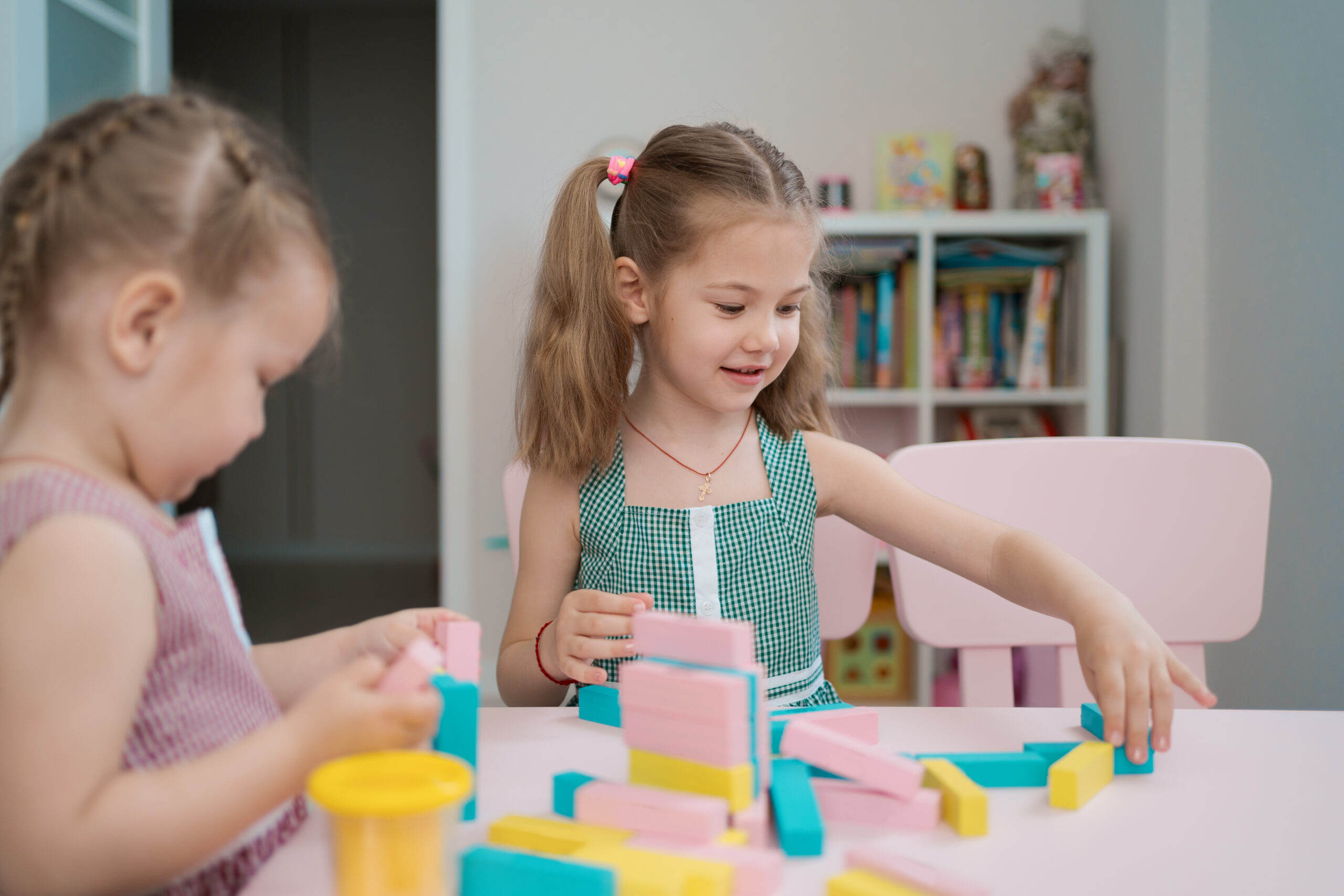
During a Huntsville preschool tour, the most useful observations often go beyond first impressions. Families are not simply looking at furniture, wall displays, or lesson materials. They are trying to understand whether the school supports early childhood development, emotional security, communication skills, and healthy learning habits in a way that feels appropriate for young children.
Look Beyond the Decor and Study the Emotional Climate of the Classroom
A beautiful room can catch your attention right away, but the emotional tone matters far more than appearance alone. As you walk through the preschool, pay attention to how the space feels. Is it peaceful without being silent? Do children seem engaged, relaxed, and supported? Are teachers speaking in warm, respectful voices rather than constantly correcting behavior?
The best early learning environments usually feel purposeful. You may see active children moving between play stations, small group activities, story time, or outdoor exploration, yet the room should still feel guided rather than chaotic. A classroom culture often includes predictability, gentle redirection, and a sense that children know what is expected of them.
Teacher-Child Interactions Often Reveal More Than Any Curriculum Brochure
One of the most important things to observe during a preschool visit is the way adults respond to children in real moments. Notice whether teachers get down to a child’s eye level, listen with patience, and use encouraging language. Watch how they respond when a child is upset, distracted, or uncertain. A caring answer to a difficult moment often tells you more than a polished presentation ever could.
Quality preschool teachers do more than supervise. They guide conversations, extend play, ask thoughtful questions, and help children develop self-regulation and confidence. If you hear language such as “Tell me about your idea,” “Let’s solve this together,” or “You look frustrated, how can I help?” that often reflects a child-centered approach.
Daily Rhythm and Transitions Can Tell You How the School Supports Learning Habits
A preschool day is made up of many small transitions, and those transitions shape how children experience school. During your visit, ask about the daily schedule and observe how children move from one activity to another. Are routines clear and consistent? Do teachers prepare children for changes in a calm way? Is there a balance between movement, quiet time, group learning, and independent exploration?
Young children thrive when the day has structure. Predictable routines support emotional security, attention, and cooperation. They also help children practice practical skills such as cleaning up, washing hands, putting away belongings, and joining a group when invited.
Learning Materials Should Invite Exploration, Creativity, and Purposeful Play
A preschool classroom should offer more than toys on shelves. Look closely at how materials are presented and whether children can access them with ease. Well-designed learning centers often include books, art supplies, sensory tools, blocks, dramatic play items, and hands-on materials that encourage discovery. These resources support literacy, problem-solving, fine motor development, and imaginative thinking.
It is also helpful to notice whether the room reflects the children’s work rather than only store-bought decorations. Original artwork, project displays, and documentation of classroom activities can signal that children’s ideas are valued. In play-based programs, learning is visible in the process. You may see children building, sorting, drawing, pretending, and asking questions while teachers guide their thinking in meaningful ways.
Safety, Cleanliness, and Supervision Deserve Careful Attention
Practical details should never be overlooked during a preschool tour. Parents should observe whether the environment appears clean, secure, and well-maintained. Entry procedures, classroom supervision, bathroom access, playground condition, and snack routines all deserve attention. A school does not need to feel clinical, but it should clearly reflect care and organization.
Look for signs that adults are attentive rather than distracted. Children should remain within view, transitions should feel supervised, and materials should be stored safely. Outdoor spaces are just as important as indoor classrooms. A well-planned playground can support gross motor development, sensory experiences, and cooperative play while giving children room to move and reset.
Family Communication and School Partnership Should Feel Clear and Respectful
An in-person visit is also the right time to understand how the school communicates with families. Ask how teachers share updates, how concerns are addressed, and what support is offered during the adjustment period. A preschool that values parent partnership will usually speak openly about routines, curriculum, developmental milestones, and classroom expectations.
Communication helps families feel informed and connected. It also creates consistency between home and school, which can support smoother transitions for young children. When administrators and teachers answer questions with clarity and patience, parents often gain a better sense of how the school functions on an ordinary day rather than only during enrollment season.
When a Preschool Visit Gives You the Right Kind of Clarity
The most valuable preschool tours do not leave parents impressed only by appearances. They leave them informed. A Huntsville program should show evidence of responsive teaching, emotional warmth, purposeful play, healthy routines, and a secure environment where children are treated with respect. Those are the qualities that support long-term growth in the early years.
When you observe, an in-person visit becomes more than a formality. It becomes a chance to see whether the school truly aligns with your child’s needs and your family’s values. That clarity can make the enrollment decision feel much more grounded, reassuring, and right for the season ahead.