Ultimate Guide to Planning a Garden
Maintaining a perfect garden takes a lot of time and effort, especially if you’re doing it for the first time. Before you start planting, you should make a detailed layout of the garden to utilize the space in the best way. Then, it’s time to create zones to evenly distribute elements like trees, flowers, add benches, rocks, and place veggie pots.
In this guide, we want to offer you useful advice on planning and building your first garden and overcoming all the challenges while making it. Should you take our advice and follow it step by step, you’ll soon have a garden from your dreams.
Think About What You Want
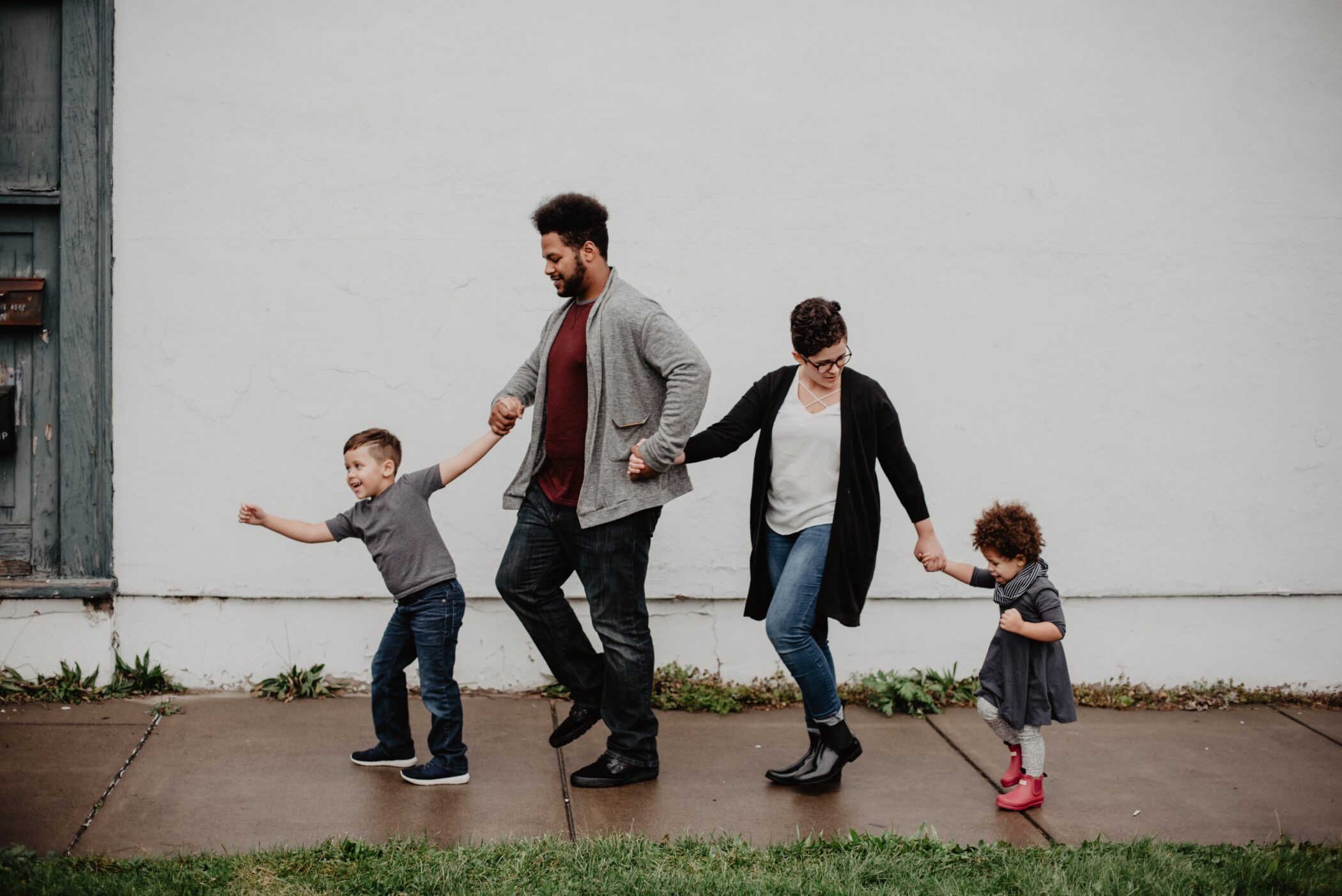
What will you use the garden for? Do you want a place to relax or to make parties? Do you want your kids to play and run around or to have a corner while everything else is packed with vegetables? How many vegetables you want to have? Do you have time to nurture them? All these questions need answers if you’re going to create an ideal place for your family.
 When you list everything you want, try and see whether it’s possible to do it all in one year, or you’ll need a few years until everything settles.
If you need inspiration, try going through decor magazines, look for ideas on the internet and try to explore various garden decoration styles until you find something you like. Nowadays, there’s so many options to choose from regarding style and garden layout, but you should hold a family meeting and discuss everyone’s needs.
Make a Detailed Plan
Organizing your backyard doesn’t mean simply putting seeds in the ground and having a table and two chairs. Actually, it’s a project that might take a few weeks to complete, but if done right, it will make you feel great every time to get out of the house.
Start with a map of the area and a piece of paper to mark all the different areas. Pay close attention to the sunlight during the day, check the grass quality and soil type. All this information will help you decide where to place your pergola, BBQ area, kids’ playground, and all your plants.
You use one of the garden planner software to help you envision your garden once you finish. It can be a useful tool to see what kind of furniture you need or how to organize different areas.
Set a Budget and Priorities
Every project needs a budget, and gardening is no exception. Before you start making plans about vegetables, watering systems, and special night lights, try to assess your budget and see how much you can invest in your garden in one year. Once you have the number, it will keep you on track and give you a perspective on what you can and can’t do.
If your priority no.1 is to have a nice sitting area outside of your house, focus on that, and next year start with the garden. Whenever you start multitasking, you end up with dried plants and an unfinished patio. Instead, make a list of things that you need and start working.
Plant Your Favorite Flowers and Grass
Depending on your house’s style, try to find the type of garden that works well with it. For example, if you live in an old Victorian house, an English garden with precise geometry could frame the house in the best possible way. However, if you prefer a modern design, you can opt for a xeriscape garden to reduce the need for watering and look spectacular when the flowers start blossoming. If you’re in love with the Mediterranean, try using some Italian garden style elements and use as many pots in earthy tones.
 For most people, landscaping, and flowering are by far the most enjoyable parts of creating a garden. And when it comes to grass, WhatShed explains that some of the best seeds can grow in four days and cover your lawn in two weeks. So, you don’t need to wait long to see your garden in full glory. But, be careful and pay attention to how you combine grass with flowers and other plants. It can have aesthetic and practical significance
When to Plant Your Garden
As you might know already, you should start making plans in the winter, so that you can prepare everything until spring. Garden planting begins in the spring so that plants can grow healthy. You can buy the seeds during the winter and hold them in small plant pockets during the winter. Once it gets warmer, you can transplant them in the garden.
Many people get carried away with gardening that they start buying too many expensive seeds and plants without knowing how to nurture them. That’s why it’s important to keep everything simple and start small.
For a beginner, herbs like oregano, basil, or chives are more than enough. Later, you can add tomato, chili peppers, or zucchini.
Add Some Hard Landscape
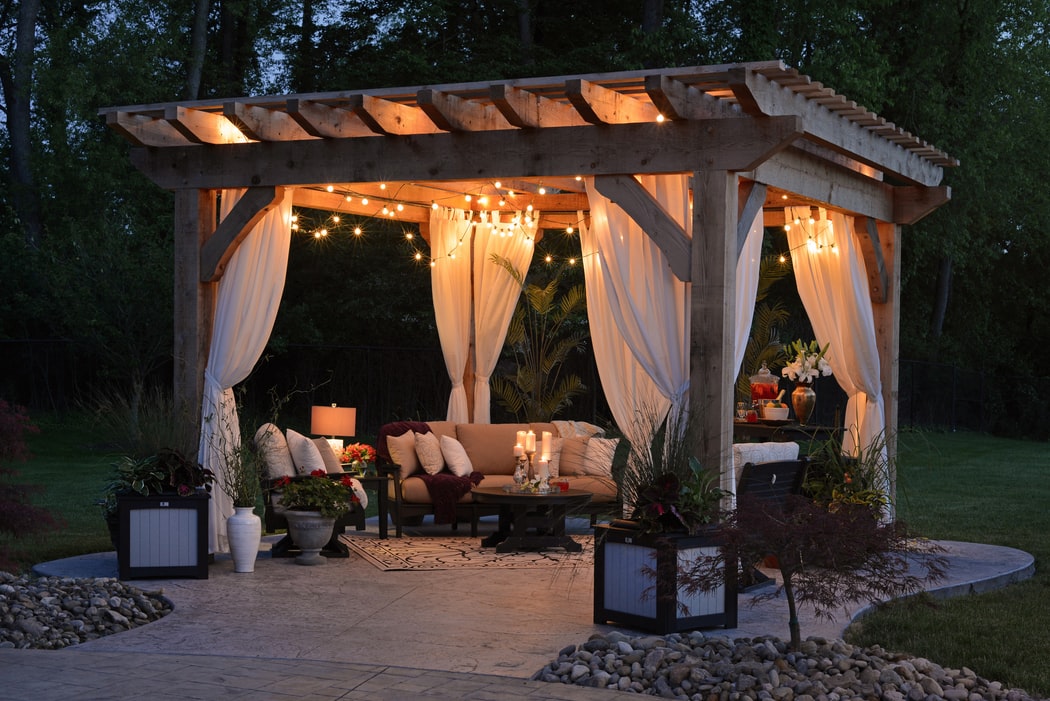
Decks and patios are important as they’re making the garden usable and provide a space for your family and friends to enjoy. You can add a sitting area, fire pit, barbeque, or even a small outdoor kitchen.
Today, you can create patios from reclaimed wood, eco-friendly materials and use old brick to make rustic pathways around the garden. The average path should be at least three feet wide, and it’s up to you whether you like them straight or wavy.
If you don’t like rocks, you can use gravel or anything that you can afford in the beginning, since later you can rebuild by using varied materials.
Sit and Relax
The ultimate purpose of every garden is to complement the space you have inside. It should be a place where you entertain, meditate, exercise or simply enjoy the silence. However, if you don’t want to feel stressed about it, make a plan, set up a budget and start doing one thing at the time.
The final test of your garden will be to sit and marvel at what you’ve done. Enjoy the plants, flowers, paths, and comfortable furniture you’ve decorated. If you can relax and stop thinking about everything else, then you’ve reached your goal.