Top 6 Tips for Preventive Plumbing Maintenance
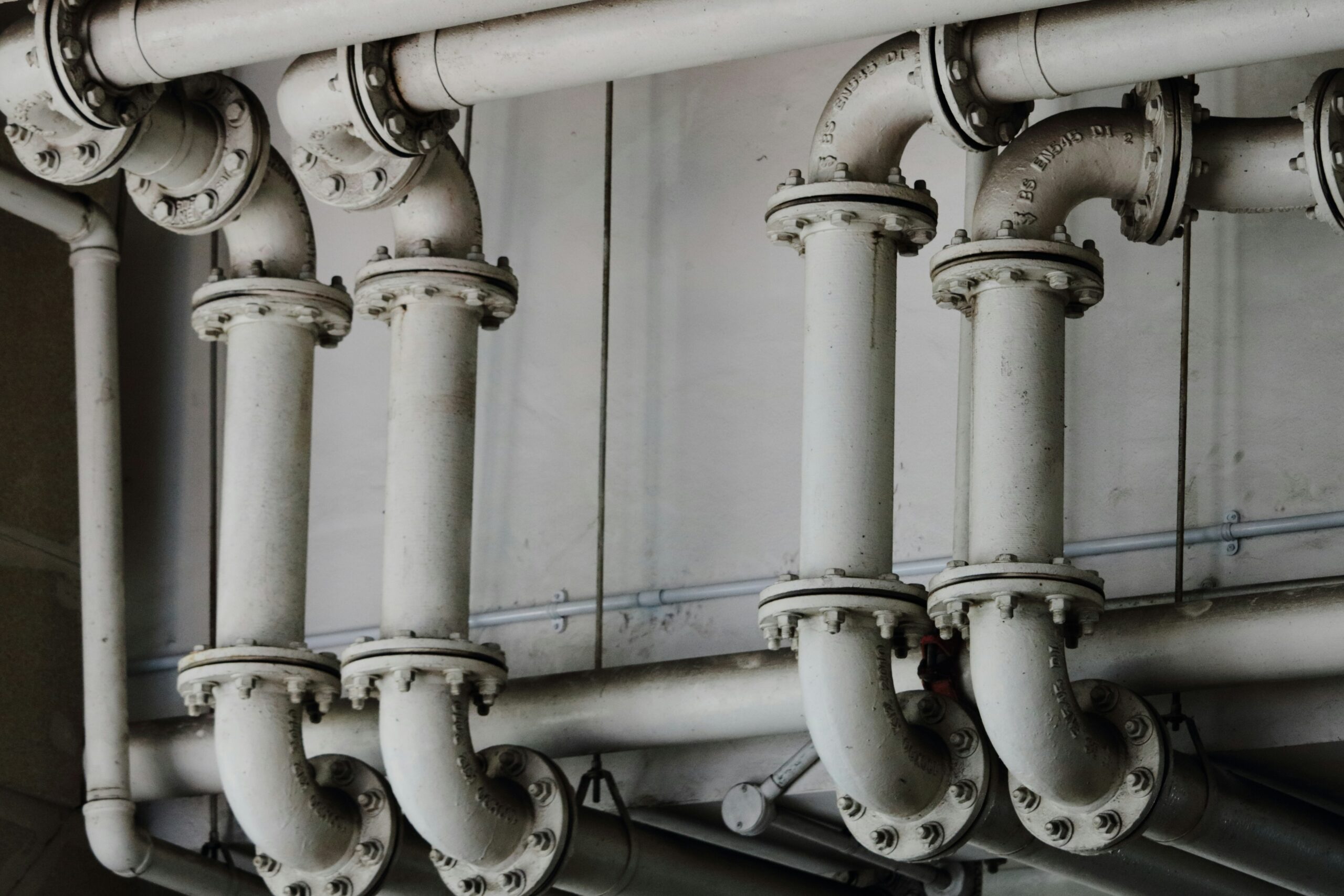 You do not have to be an expert in pipe and drainage to take care of your plumbing. It is not difficult to keep your water supply system in a functional state. While you keep an eye out for leaks and clogs, there are other ways you can maintain your property’s pipe system.
In this article, we will explore some plumbing maintenance strategies that can help to ensure things are in good condition.
Preventive Plumbing Maintenance: 6 Top Tips
While you will need the service of a quality plumber to fix your plumbing problems, make use of basic plumbing maintenance strategies to save you time and money. Proper use of plumbing fittings will avoid issues, particularly clogs. A routine check for issues will assist you in identifying them on time
Always Check for Leaks
As time passes, your plumbing pipes can rust, and the fittings can come off, causing plumbing leaks. It can vary from small leaks to serious flooding leaks that damage your property. Fortunately, it is simpler to identify leaks in pipes beneath your sink. However, it is hard to locate leaks concealed in your walls.
To identify leaks, check for moisture, damp patches or soggy areas on your floors and walls. You can also keep an eye on your water meter. If you notice any spike in your meter reading without using water, it is a sign of leaks in your plumbing.
Leaks can also occur in your toilet. To find out, put some drops of food dye in the tank and patiently wait to know if it has leaked into the bowl. If this is the case, the flapper or other component has to be changed.
Alongside damp patches, noticing cracks in walls, floors, or around the foundation can also signal a serious underlying drainage issue. Cracking is sometimes caused by leaking underground pipes eroding the ground beneath a property — so if you spot new or widening cracks alongside any moisture problems, it’s worth having a drainage specialist investigate before the damage becomes structural.
Look after your drain pipe
When your drain is blocked, it impedes your sink or shower from functioning until it eventually gets unclogged. One way you can avoid a clogged drain is by being careful about the things that go into your drain. Any hard object can obstruct your drain.
You can prevent this by using a hair catcher to collect loose hairs and stop them from clogging your drain. Only human waste and toilet paper should be flushed down your toilet. Hard items like wipes and sanitary products can block your toilet, leading to overflow.
If you those simple precautions aren’t enough and a sink, shower or toilet still drains slowly, it’s often worth calling a professional to properly diagnose the issue. Technicians can use video camera inspections to locate the blockage and then clear it with techniques such as drain snaking or hydro-jetting to remove build-up and tree roots without repeated DIY attempts. For homeowners searching locally, a quick search for drain cleaning near me can connect you with teams that prioritize lasting solutions and help prevent recurring clogs. This approach protects pipes and reduces the chance of more serious sewer-line problems down the line.
Ensure your septic tank or Sewer Lines are maintained
Routine maintenance is the key to keeping your plumbing lines functional and working without hassle. It can prevent serious issues like sewage backup. Be sure to get a professional plumber to inspect and fix your sewer line. For instance, if you require a local plumber in Oxford, London, Portsmouth or Manchester, you can easily hire them.
Sewer lines can be blocked by objects and even tree roots. This is a major cause of slow draining and results in sewage coming up your sink or drain. This has to be avoided at all costs.
Wisely Use Your Garbage Disposal
Be sure that the only items in your kitchen’s garbage disposal are food items. However, you should be careful about the kind of food you put in it.
For instance, do not add items like:
- Oily and fatty substances
- Bones
- Expandable starches like noodles, loaves, rice and other foods.
- Used coffee grounds
- Eggshells, onion skins and other items with a skin-type membrane
- Potato skins
- Nuts
- Fruit pits
These kinds of objects can negatively impact your garbage disposal. Also, they can result in blockages and stick to the pipes. An example is onion skin, which can easily coil around the blades and lead to problems.
Clean Your Showerhead
Routinely tidy your shower head, leading to better water flow and improving your shower experience. A simple method of doing this is by taking it off and leaving it in a solution of vinegar throughout the night.
You can also use a soft bristle brush to remove dirt from the holes before fixing them back.
Check Your Shut-Off Valves
Your property has the primary shut-off valve, which is similar to plumbing fittings, which feature their own valves. You can limit the supply of water by turning it off.
Whenever you have a serious leak, shutting off the valve will rectify the problem and mitigate the issue. Inspect and test the valves to be sure they are in good condition.