Tips for Faster Recovery After Pneumonia and Other Respiratory Diseases
 Pneumonia and other respiratory diseases are common in the Philippines, especially during the rainy season and cooler months. These conditions cause inflammation in the lungs, which makes breathing difficult. Symptoms often include a persistent cough and fever, and many patients also experience chest discomfort, fatigue, or shortness of breath. When it comes to treatment, the cause and severity usually dictate the most suitable options and may involve antibiotics or inhalers.
However, even after the acute infection resolves, recovery often continues at home or after hospital discharge. During this phase, supportive habits are critical in promoting lung healing and restoring strength.
This article outlines practical strategies to help enhance recovery from pneumonia and other respiratory diseases, focusing on steps you can take with your prescribed medical treatment to support your lungs and overall well-being.
- Follow Prescribed Treatments Consistently
Medical treatment forms the foundation of recovery from respiratory disease. That’s why it’s important to follow the full course of prescribed medications, so that infection and inflammation resolve completely, reducing the risk of relapse or complications. Avoid skipping doses or stopping treatment early because it can only prolong symptoms and delay healing.
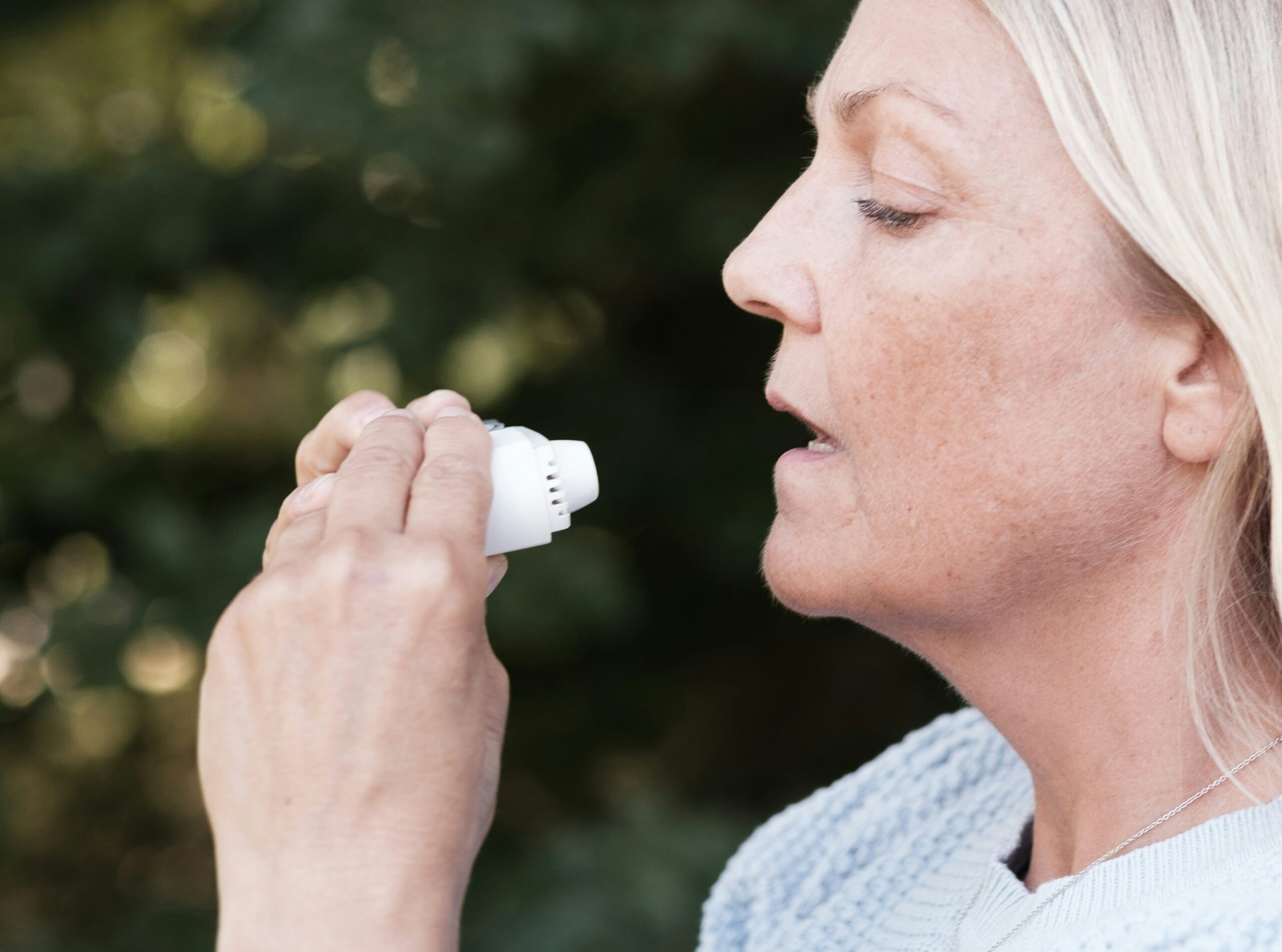
Sometimes, healthcare providers will recommend that recovering patients use inhalers or a nebulizer kit. These devices deliver medication straight into your lungs, where it works to decrease inflammation. They also open narrowed airways and loosen mucus that can make breathing difficult. A nebulizer kit turns liquid medicine into a fine mist that is then inhaled through a mask or mouthpiece. On the other hand, inhalers are small, handheld devices that deliver a measured dose of medication directly into the lungs with each puff. Depending on various factors, your healthcare provider may prescribe either one or even both.
- Rest With Purpose
Alongside medical treatment, restorative rest supports immune function and tissue repair. Quality sleep allows the body to focus energy on healing damaged lung tissue and rebuilding strength. However, excessive inactivity can weaken muscles and slow circulation, which may worsen fatigue over time. For this reason, rest works best when paired with light daily movement. Short rest periods throughout the day also help conserve energy without developing stiffness or deconditioning.
- Gradually Rebuild Physical Strength
As symptoms start to improve, incorporating gentle activity helps restore circulation and rebuild endurance. Even light movement promotes oxygen delivery to tissues and counteracts muscle weakness caused by illness-related inactivity. Activities such as short walks, mild stretching, or simple daily tasks provide a safe and manageable starting point. Keep in mind to gradually increase intensity and avoid overexertion, since it can trigger breathlessness and slow recovery. So pay attention to your body’s signals to maintain steady and safe progress.
- Support Lung Function With Breathing Exercises
Breathing exercises can also restore normal lung expansion and breathing patterns. During respiratory illness, shallow breathing often becomes habitual and limits oxygen exchange. To help with your recovery, practice deep, intentional breaths to open your airways and gradually increase lung capacity. These exercises also help clear residual mucus, which reduces congestion and chest tightness.
- Stay Hydrated to Aid Respiratory Healing
Adequate hydration supports respiratory recovery in several ways. Fluids thin mucus in the lungs, allowing it to clear more easily and reducing coughing strain. Hydration also supports circulation, which delivers oxygen and nutrients to healing tissues. For gentle hydration, you can drink water, warm teas, or broths. Limit alcohol and caffeine as well, because these beverages can interfere with your fluid balance. Consistently taking in fluids throughout the day helps keep your recovery on track and supports your overall energy levels.
- Eat for Repair and Immune Support
A proper diet provides the energy and nutrients required for tissue repair and immune regulation. Protein supports muscle rebuilding and lung tissue healing, while carbohydrates supply the energy needed for daily activity and recovery. Fruits and vegetables also contribute vitamins and antioxidants that help manage inflammation and support respiratory health. If fatigue affects your appetite, eat smaller meals more frequently. It’s more manageable and still meets your nutritional needs.
- Manage Coughing Without Suppressing Recovery
Coughing often persists after respiratory infections as the lungs clear remaining mucus and debris. Productive coughing is generally acceptable because it supports healing, but frequent or uncontrolled coughing can disrupt sleep and exhaust the body. If coughing becomes too uncomfortable, seek medical guidance to determine when and which cough medications are appropriate. Environmental factors can also affect your symptoms, so keep the air in your home clean and ensure proper humidity to make breathing easier. You should also avoid smoke and strong odors, which can irritate your lungs and increase discomfort.
- Monitor Symptoms and Know When to Seek Help
Complete recovery from a respiratory illness doesn’t happen overnight, so mild fatigue and occasional breathlessness may persist and be expected. However, you should seek evaluation if you experience worsening shortness of breath, chest pain, persistent fever, or a noticeable decline in energy levels. Additionally, attend follow-up appointments so your healthcare provider can monitor your progress and adjust treatment if recovery slows.
Support Recovery at Your Own Pace
Recovery after pneumonia or other respiratory illnesses is rarely linear. Some days feel easier than others, and this variability is part of the healing process. Instead of a speedy recovery, focus on consistency. It helps protect your lungs while rebuilding strength and confidence. With proper medical guidance and patience, recovery becomes a foundation for better respiratory health moving forward.