These Reasons Will Convince You to Start Filtering Your Home’s Water
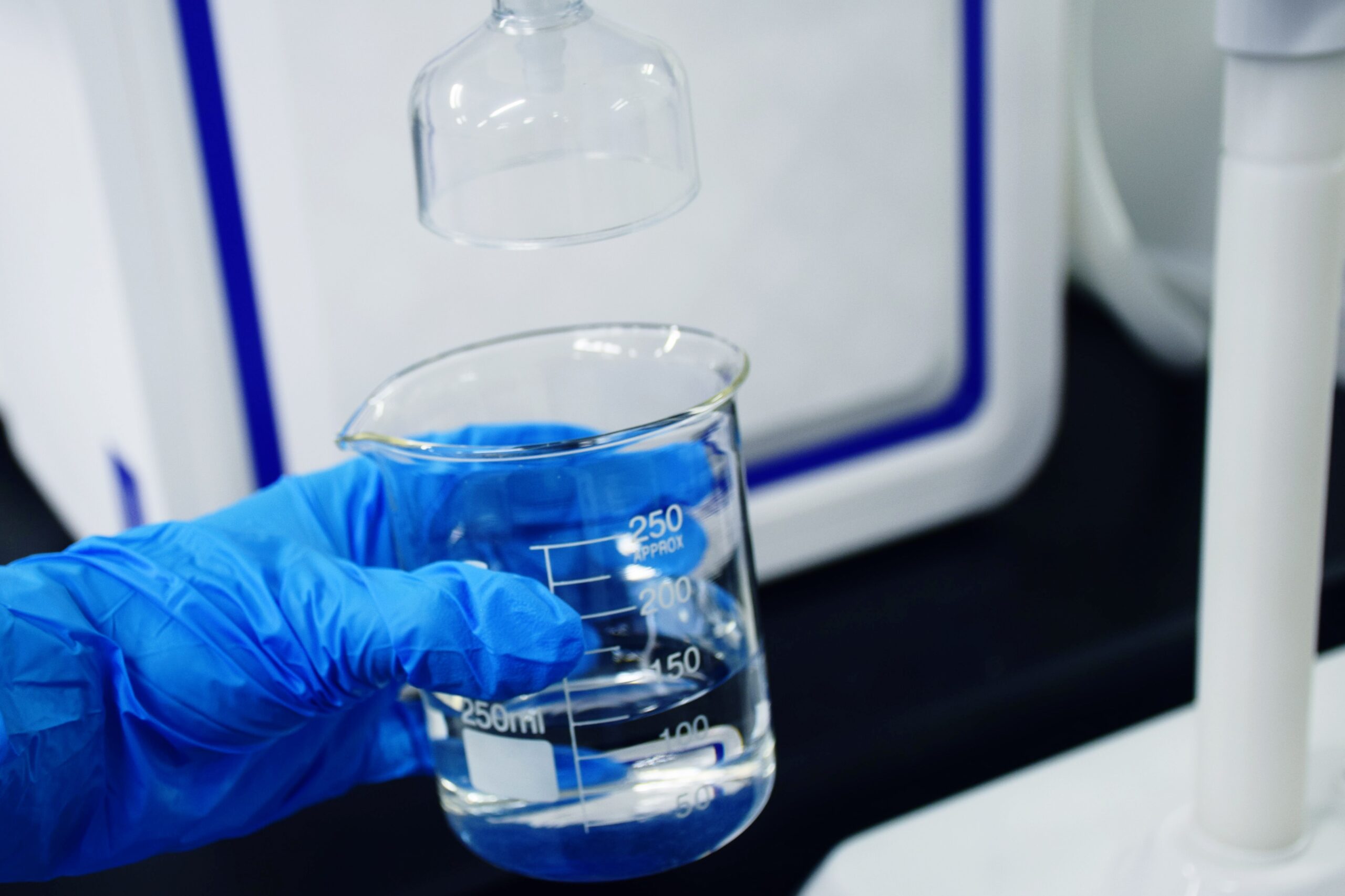 You’ve probably been told a hundred times that you need to drink more water. This is solid advice. What’s left out of this advice, however, is that it matters a lot what type of water you are drinking. All water is not created equal; in fact, most water is highly problematic. Making changes to the water, you drink, cook with and wash with can result in major health benefits. The following will explore important information you need to know about the water you have access to.
Chlorine
Chlorine is a common chemical used to clean water that is provided by city water systems. Studies on chlorine and its safety were done long before we had any understanding of gut bacteria and how important keeping the right kinds of bacteria thriving in our digestive systems. The CDC deemed 4 milligrams of chlorine per liter of drinking water safe, and when you look at human cells, this might be the case, but small amounts of chlorine can decimate gut bacteria resulting in mood disorders, an inability to properly absorb nutrients, and increasing the risk of various chronic illnesses.
New studies are also finding a link between chlorinated tap water and cancer. Proper filtration can remove chlorine particles, protecting your health. As a bonus, many people find that removing chlorine improves the taste and smell of their water. Moreover, people with sensitive skin who find their skin dries easily will experience less dryness and more comfort if chlorine is filtered out of their shower water.
Aluminum
Aluminum is a serious contaminant in our water and our foods. Water lovers at WaterFilterGuru.com found that large amounts of aluminum can affect the function of your kidneys and liver. Since aluminum builds up within the body over time, aluminum levels in your water are a serious concern. (Cooking with aluminum is also a serious concern as flakes break off in reaction to heat and settle in the food which you consume).
Microplastics
The microplastics issue is massive, and it’s only now starting to get news coverage. The world, and our water, in particular, is filled with microscopic levels of plastic referred to as microplastics. Plastics seriously impact your hormonal balance by disrupting your endocrine system. Messing with your endocrine system alters your appetite, sleep, weight gain, energy levels, mood, and ability to handle stress. These harms, in turn, have terrible effects on your relationships, work performance, ability to make calm financial decisions, and ability to make wise health decisions.
Trihalomethanes
There’s a group of four chemicals called trihalomethanes which are chlorine byproducts (chloroform, bromoform, bromodichloromethane, and dibromochloromethane). All of these are formed during the water treatment process. These chemicals are absorbed by your skin, so they get into your body whether you drink or bathe in the water. Trihalomethanes are linked to liver disease and colon cancer, as well as several other health conditions. The limit for safety is 80 parts per billion, but commonly tap water doesn’t meet this standard.
Arsenic
The World Health Organization lists arsenic as the most common groundwater contaminant as it’s both naturally occurring and also man-made. Pressure-treated lumber and other arsenic-containing products can contribute to contamination for decades even if industrial usage of arsenic has decreased. Arsenic is linked to cancer and cardiovascular disease.
Volatile Organic Compounds
Often called VOCs, volatile organic compounds are man-made chemicals that you can find in a ton of products like furniture, paint, and printer ink. They’re incredibly common and hard to avoid. There are over 65 VOCs that are regulated by the EPA, but many more are expected to be addressed in the future.
Flouride
While the fluoride debate has been long going and will probably continue for years to come, the bottom line is fluoride doesn’t need to be in your water, and it isn’t found naturally in water. Some studies have found adverse health effects, and no studies have found benefits for fluoride in drinking water. Fluoride has been shown to improve dental health when applied directly to your teeth and kept on your teeth for a certain period of time. This doesn’t happen when you drink water or eat food cooked in fluoride water. Water filtration can help you play it safe and avoid fluoride.
The above list is nowhere near complete. There are countless other dangerous contaminants your water might contain like tannins, pesticides, herbicides, PFAs, perchlorate, and intense levels of pharmaceuticals, including mood-altering SSRIs and hormone-disrupting birth control. Before selecting any water filtration options, be sure to have your water tested, so you know about the specifics you need to filter for. You also want to learn about the mineral balance of your water and find filtration systems that replace some of those vital minerals.