The Ultimate Guide to A Sustainable Home
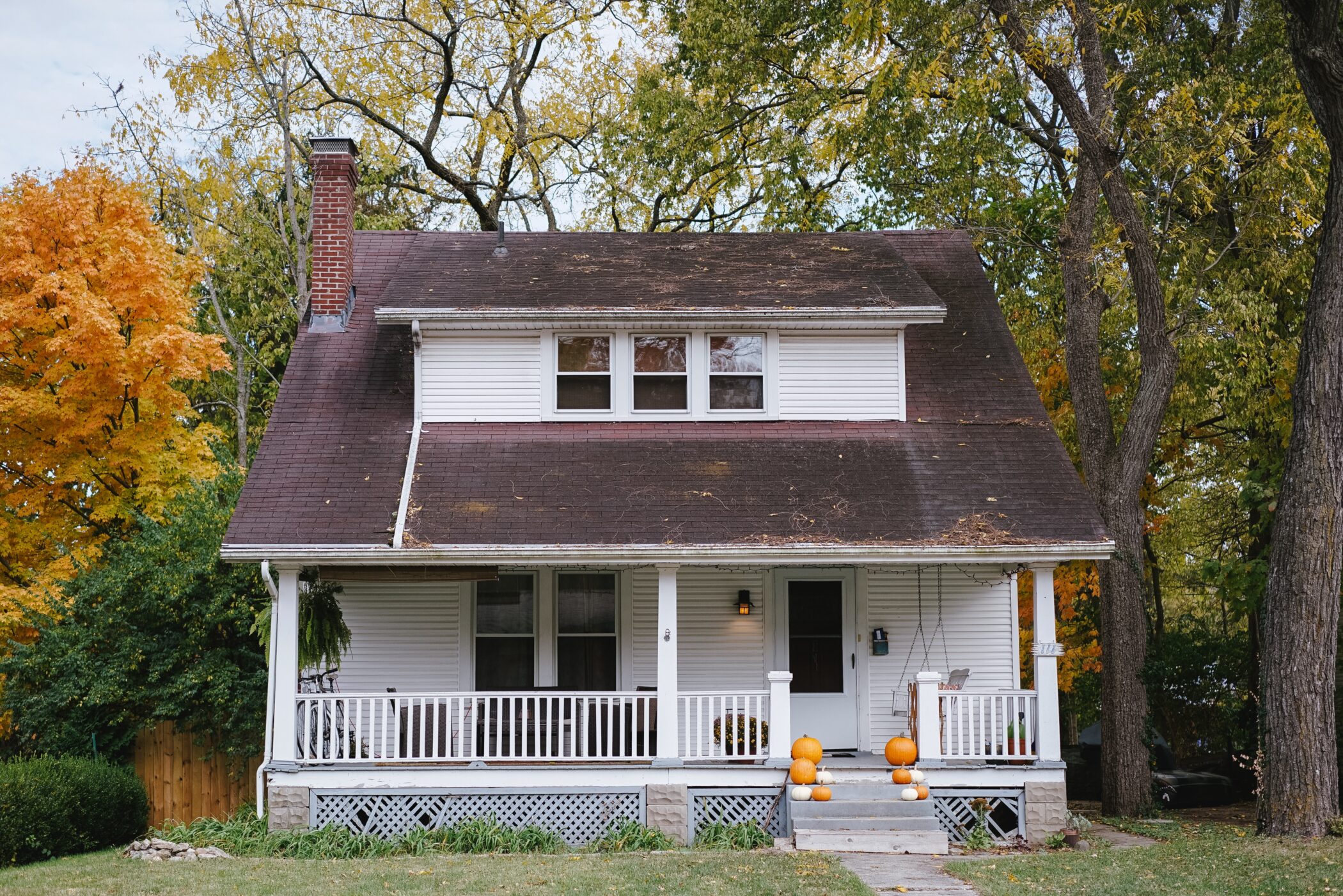 Without sustainable living, the inhabitants of the world will suffer the effects of global warming for generations to come. Let us discuss and introduce you to this ultimate guide to creating a sustainable home.
Sustainable Living: How Important Is This?
Sustainable living is fundamentally the application of sustainability to lifestyle choices and decisions. It is a conscious effort of the smarter use of natural resources, minimizing our carbon footprint by replacing the commonly used products, the materials of which cause harmful effects to both the Earth and its inhabitants.
It is essential if we want to save the Earth and leave behind a healthier world for our future generation. And home is where it should start.
Here’s the ultimate guide to a sustainable home.
- Go Natural
There are several natural ingredients that are useful for household chores. Here are some:
- Natural cleaners. If you research it, most can be found in your kitchen. One example is vinegar. When mixed with water, it makes a great cleaning agent for most surfaces. You can also add a splash of ACV to a towel wash to make them smell new again.
- Why spend money on aerosol when you can opt for a DIY air freshener spray? You only need 3 ingredients (water, essential oil, and lemon) and a spray bottle, of course and you have your natural air freshener! Fresh air, natural scent without the harmful effect – not to mention it’s budget-friendly.
By using natural ingredients, you are reducing the number of chemicals used in production that are harmful to the environment.
- Switch to Energy-Efficient Light Source
- Change your light bulbs to either compact fluorescent light (CFL) or LED. These energy-saving bulbs last 12 times longer than the traditional bulbs and use less electricity to emit the same amount of light. In effect, you’re not only reducing carbon footprint at home but also the waste that goes to landfills.
- As much as possible, use daylight. Not only is it natural so it reduces the use of electricity but also extends the life of your light bulbs.
- While you’re at it, make sure that other appliances are unplugged when not being used. Though it has a small impact on your electricity bill, when practiced regularly and by many, it will reduce the amount of fossil fuel needed to generate electricity.
- Be a Minimalist
Minimalist lifestyle doesn’t have to mean having less or nothing. It means maximizing the purpose of whatever it is you intend to buy.
Before purchasing an item, ask yourself these questions: Do I really need this? Could it be recycled or reused? If the answer is yes, then go for it.
There are a lot of home-for-zero-waste reusable items that you can purchase in the market from personal items like cotton swab, make-up pads, menstrual cup and pads, and cloth diapers to general items such as rechargeable batteries, cooler bags, solar-powered charger and snack bags.
- Go Digital
In this fast-paced generation, almost anything can be accomplished online. While we want to reduce the use of electronic devices, whether we like it or not, it is already part of our everyday lives. Going digital, from something that would normally come in paper form, shouldn’t be a major adjustment.
We can eliminate paper bills by opting to email billing. Paper reminders on the door fridge can be replaced with electronic reminders in the cell phone. For a grocery checklist, we can use note apps.
This way, we are helping to minimize the need for paper, which will surely be thrown away once used anyway, and we’re saving trees. For us, it means cleaner air, cooler atmosphere, flood-free plains and a safer Earth.
- Opt for Eco-Friendly Furniture
Eco-friendly furniture can be described as made from renewable materials/resources. Where chemicals are used, those are chemicals with minimum to no harmful effects to the environment. It can also be made from recycled, left-over-cut and unused materials.
We can also categorize second-hand furniture as environmental-friendly furniture. We cannot deny the fact that there are a lot of good finds that you can only get from a thrift shop. A little hammer here and there and a coat of paint will make it look brand new for half, or even a third of the price.
- Downsize
The world’s average household size and composition in 2019 has 5 members. Generally, a family of 5 does not need a 6000-square foot floor area with a large garage, lawn or garden. Larger space means more furniture, appliances, lights, etc. and a large lawn or garden will need more water to keep the grass green and healthy.
Keep it small and simple with just the right space the family needs to live comfortably.
Sustainability doesn’t have to be difficult. It doesn’t mean sacrificing comfort to make the tiniest impact either. It is simply choosing to make an effort to live in a healthier environment, one step at a time.. What’s important is that you start today and have a more liveable planet tomorrow.