The Small Home Routine That Helps Busy Mums Feel Like Themselves Again
 There are days when it seems that they are in the world of everyone. Before breakfast is even done, there is already something to sort out. A missing sock. A lunchbox lid. A message from school. By the time the house settles down, it is easy to realise the whole morning went by and nothing in it felt like your own.
That is why small routines matter so much. Not the big, perfect ones people post online. Just one part of the day that gives a bit back. Something simple. Something that fits around normal family life instead of demanding a whole new schedule.
It Has To Be Small Or It Usually Does Not Last
A lot of mums do not need more ambition. They need less pressure. That is usually the real problem with routines. They sound fine on paper, then life gets in the way. A class across town sounds lovely until someone is ill, dinner runs late, or the only free hour disappears into errands and emails. Then the plan goes out the window, and it starts to feel easier not to bother.
A smaller routine has a better chance. It can fit into a quiet half hour after the school run. It can happen while the washing machine is on. It can be done badly, briefly, and still count. That is a big reason it helps. It does not ask for the perfect day.
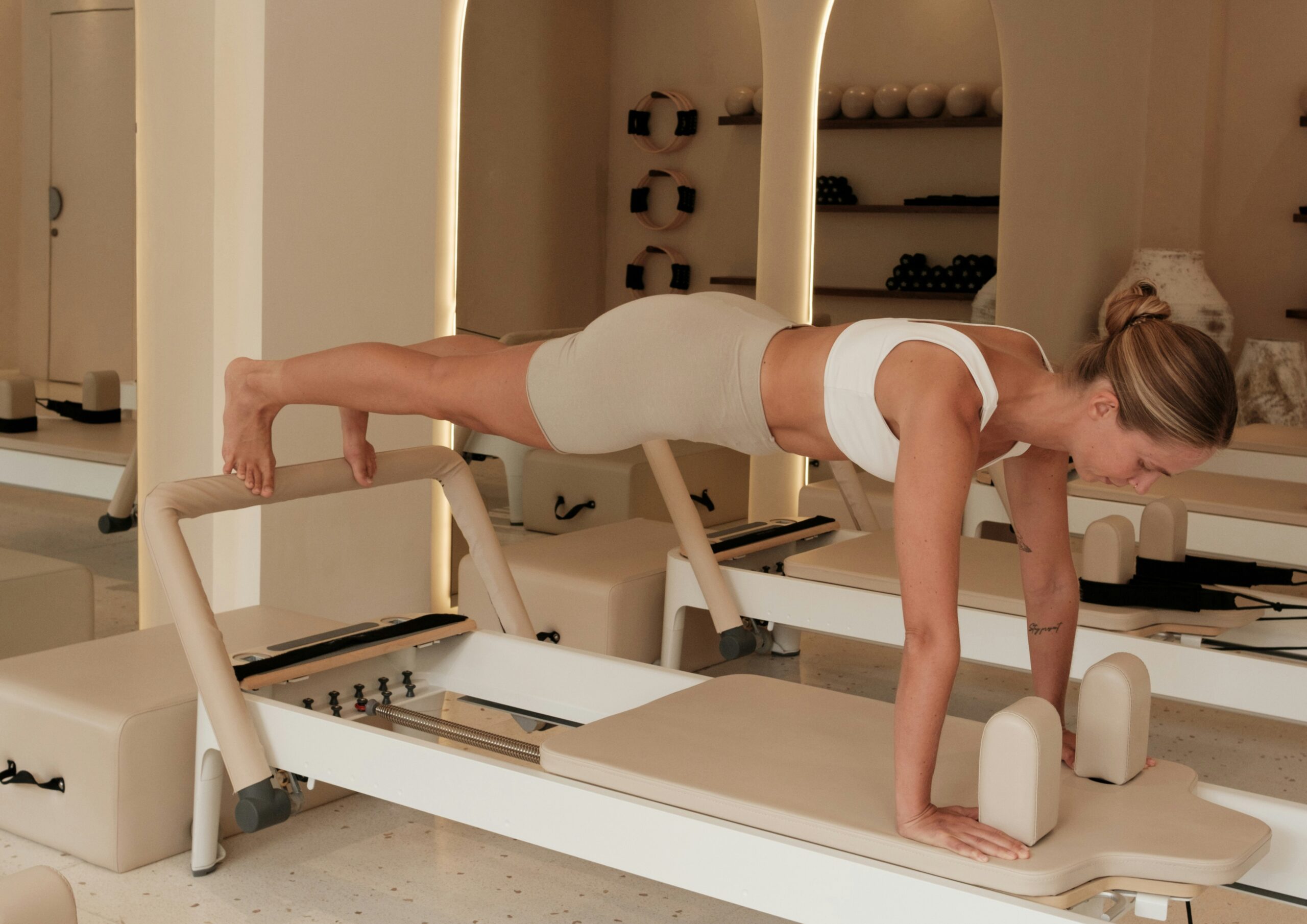
Pilates suits this kind of routine because it feels steady and easy to come back to. It is not all noise and rushing. The NHS says it can help with strength, posture, balance, and flexibility, which is probably why it feels practical to so many people, not just trendy.
It Feels Different From The Rest Of The Day
A lot of daily life as a mum is reactive. Someone needs help. Someone needs to be picked up. Someone needs feeding, washing, finding, signing, or reminding. That can go on for hours without a real pause.
A short home routine changes the tone a bit. Even ten or twenty minutes can feel like a reset if the rest of the day has been loud. Not because it solves everything, but because it gives your brain one thing to focus on for a little while. Stretch. Breathe. Hold. Move. Repeat.
That kind of break matters more than people often admit. The CDC says regular movement can help with anxiety and sleep, which makes sense when so many mums feel worn down before the day is even over.
Real Homes Do Not Look Like Wellness Ads
This is probably why home routines suit family life better than a lot of glossy wellness advice. They do not need to look impressive.
Most homes are not quiet, bright spaces with rolled towels and lemon water on a tray. They live in. There are toys under chairs, coats on the bannister, and some strange sticky patch on the kitchen floor that nobody remembers creating. That does not stop a small routine from working.
Sometimes all it really needs is a bit of floor space and a time of day that feels less crowded. For some people, that means a mat by the bed. For others, it might be a spare room, a garage corner, or a machine that stays set up because taking it out and putting it away every time is enough to make the habit disappear.
That is one reason home equipment appeals to busy people. It removes the faff. Once it is there, the routine feels closer and easier to return to.
Why Gentle But Challenging Works So Well
Not everyone wants a workout that feels loud. Most mums do not need more intensity in their day. They usually have enough going on already. Something gentler can feel like a better fit, especially when the body feels stiff or energy is low. That is one reason reformer-style movement draws people in. It can still feel hard, but in a steadier way. There is resistance. There is control. The body works, but the whole thing does not feel frantic.
That is also why some people start looking at home machines once the routine becomes more regular. A reformer can suit people who want guided movement and support through the exercise. Lagree-style machines tend to push further into slow, intense resistance work, which is why they often appeal to people who want something stronger without all the impact of jumping or fast circuits.
For a lot of families, that decision is not really about the trend at all. It is more practical than that. If someone is already trying to protect a bit of time at home, looking into a good Lagree machine for sale can simply be part of figuring out what would actually get used and fit the space.
The Routine Has To Work On Bad Days Too
This is the part people often skip. A routine is easy to like when the week is going well. You only really know if a routine works when the day is a mess. Maybe nobody slept well, the house is upside down, school pick-up runs late, or everyone is a bit off. On days like that, anything that takes too much effort usually gets dropped first.
A shorter session has a better chance of surviving. That is why many people do better with simple goals. Not an hour every morning. Just enough to come back to. A few sessions a week. A short block of time. Something that still feels possible when energy is low. That approach tends to suit reformer beginners too, because the routine can build without needing to take over the whole week.
A routine like this usually works best when it is boring in the right way. Same place. Same rough time. Same few steps to get started. There is comfort in that. Less thinking. Less resistance.
It Is Not Selfish To Want Something That Is Yours
This is probably the quiet part underneath all of it. A small routine is not only about fitness. It is also about identity.
When most of the day is spent keeping things moving for other people, it is easy to end up feeling like a useful machine. Efficient, needed, reliable, and a bit disconnected from yourself. That is why a small habit can feel bigger than it looks from the outside.
It gives the day one small part that is not for anyone else. It is a way to feel back in your own body for a bit, instead of only using it to carry, lift, clean, rush, and keep things moving. That might sound a bit much on paper, but most mums will know exactly what that means.
It is not about chasing some perfect version of wellness. It is just about having one thing in the week that feels steady and personal.
What It Starts To Change
The nice thing about a small routine is that the change is usually subtle at first. You do not wake up as a brand new person. The house is still messy. The family still needs things. The dinner still needs sorting.
But something softens. The body feels less stiff. The shoulders come down a bit. The day feels a bit calmer around the edges. After a while, the routine does not feel like another job on the list. It starts to feel more like the thing that helps you handle the rest of the day better.
That is usually why small habits stick. They do not need a perfect week or a whole new routine. They just need a little space in the middle of real life.