The School Experiences Students Remember Long After They Finish School
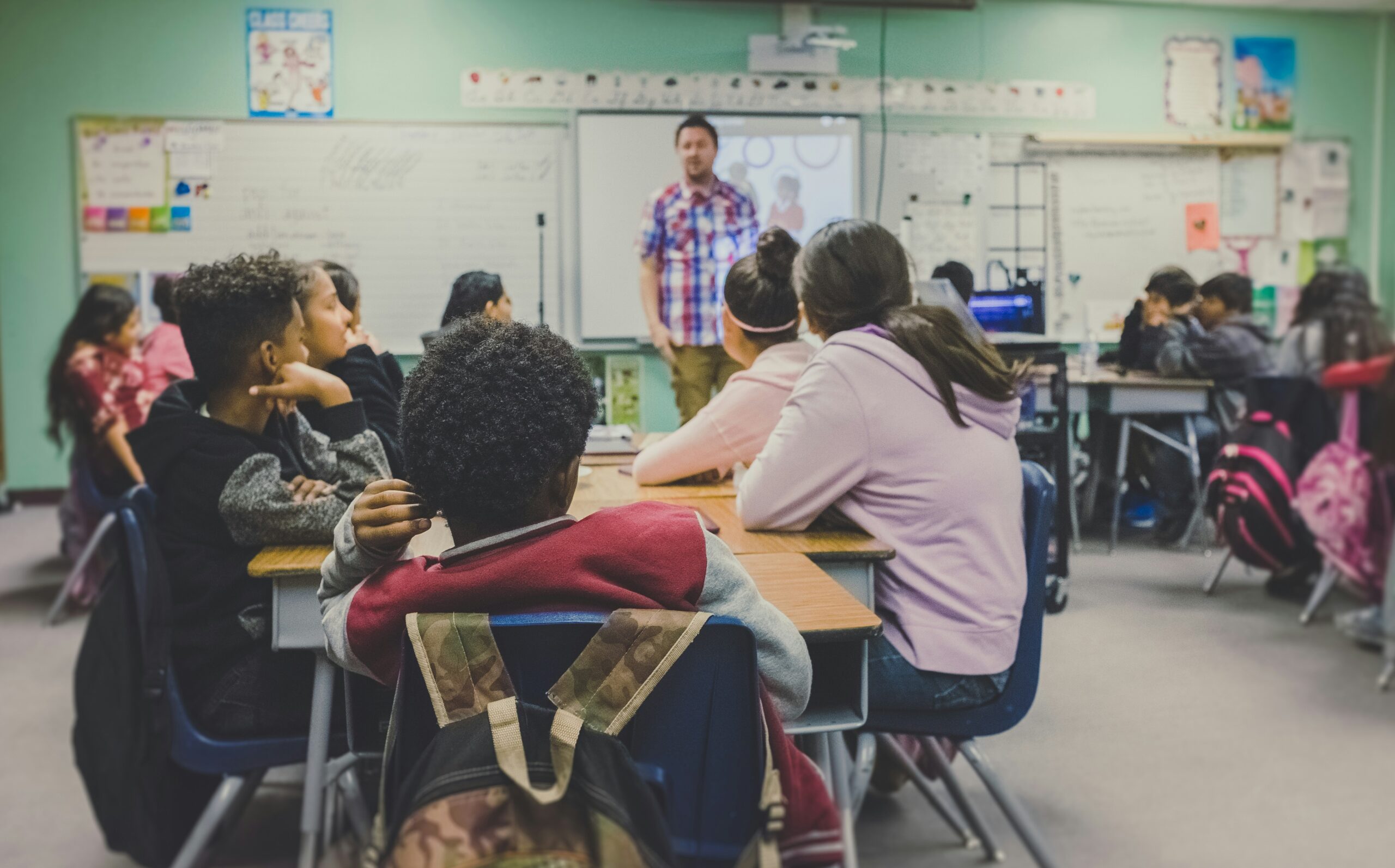
Some of the strongest memories students take from school are not necessarily created inside the classroom. Lessons, exams, and homework are important, but experiences outside the usual routine can leave a lasting impression. School trips, performances, sporting events, residentials, and opportunities to explore somewhere new can all give students stories they remember for years afterwards. These experiences can also help pupils build confidence, strengthen friendships, and develop skills that are difficult to teach through textbooks alone.
Creating memorable opportunities therefore forms an important part of a well-rounded education. Read on to discover the school experiences that students are most likely to remember long after leaving.
School Trips That Bring Learning to Life
A school trip can completely change the way students engage with a subject. Visiting a museum after studying history, exploring a science centre following a classroom unit, or seeing an important historical site can turn something abstract into something tangible. Instead of simply reading about a particular place or event, students can see exhibits, ask questions, and experience their surroundings directly. This can make learning feel more relevant and provide context that is difficult to recreate within the classroom.
The journey itself can also become part of the experience. Coach hire for schools can provide a practical way for larger groups to travel together, helping teachers keep students organised while making it easier to stick to the day’s itinerary. Travelling as a group can also give pupils time to talk, listen to music, play games, or simply enjoy being somewhere different with their classmates. For teachers, having planned transport can make the logistics of a trip easier to manage. When the journey and destination work together, a school visit can become an experience that students associate with both learning and enjoyment.
Residential Trips and New Independence
Residential trips can stand out because they give students an opportunity to experience life away from home in a structured environment. Spending several days with classmates can encourage pupils to become more independent, whether that involves keeping track of their belongings, following a schedule, or taking responsibility for simple daily tasks. For some students, it may be their first extended period away from their family, making the experience an important personal milestone as well as a school activity.
There is also a social element that can make residentials particularly memorable. Outdoor education activities such as hiking, climbing, canoeing, or team challenges encourage students to work together in unfamiliar situations. Pupils who do not usually spend much time together may discover new friendships, while quieter students can gain confidence by taking part in activities outside their usual routines. Teachers often see different sides of their pupils, too, as students respond to challenges and take responsibility for themselves. Years later, the details students remember may be less about a particular lesson and more about the friendships, laughter, and sense of independence they experienced during the trip.
Sporting Events and Team Spirit
Sporting experiences can create some of the strongest feelings of shared identity within a school. Whether students are competing in an inter-school tournament, representing their house, or travelling to watch a major sporting event, these occasions can bring pupils together around a common goal. The excitement of preparing for a match, travelling with teammates, and representing their school can create memories that stay with students long after the result has been forgotten.
Participation is not limited to those on the pitch, either. School sports tours can involve players, coaches, supporters, and staff, creating a wider sense of community around the experience. Students who are not competing may still enjoy supporting their classmates, while those taking part can develop communication, teamwork, and resilience. Winning can certainly become a memorable moment, but losing can be just as significant when students learn how to respond positively and support one another. These experiences can teach lessons about cooperation and perseverance in a way that feels natural because students are learning through participation rather than simply being told what those qualities mean.
Performances and Creative Opportunities
Creative experiences can also leave a lasting impression, particularly when students have the opportunity to perform or contribute to something larger than themselves. A school play, concert, dance performance, art exhibition, or musical production may require weeks or months of preparation, giving pupils the chance to work towards a shared outcome. Students can develop confidence by performing in front of an audience, while those working behind the scenes can gain experience with costumes, lighting, set design, music, or organisation.
School theatre productions are especially capable of bringing different groups of students together. A successful performance relies on far more than the actors on stage, with teachers, musicians, technicians, stage crews, costume teams, and other pupils all contributing to the final result. The sense of achievement that comes from seeing everything come together can make the experience particularly meaningful. Students may remember particular lines, songs, mistakes, or moments of laughter years later. More importantly, they can look back on the experience knowing they contributed to something that depended on the efforts of an entire group.
Special Events That Break the Routine
Sometimes, the experiences students remember most are the ones that simply make an ordinary school day feel different. A themed day, charity event, celebration, cultural activity, or special visitor can break up the usual routine and create something pupils can talk about together. These events do not necessarily need to be elaborate. A simple activity can become memorable when students are given the chance to participate, be creative, and experience something they would not normally encounter during a standard school day.
School enrichment activities can provide opportunities for pupils to explore interests beyond the core curriculum, from creative workshops and careers sessions to practical demonstrations and cultural experiences. These activities can also help students discover subjects or hobbies that they may not otherwise encounter. The most memorable school experiences tend to have one thing in common: they give students something to actively experience rather than simply observe. Years after leaving school, pupils may forget individual worksheets or ordinary timetables, but they are much more likely to remember the places they visited, the people they shared them with, and the moments when school felt like something more than a classroom.