The Most Common Treatments For Broken And Missing Teeth
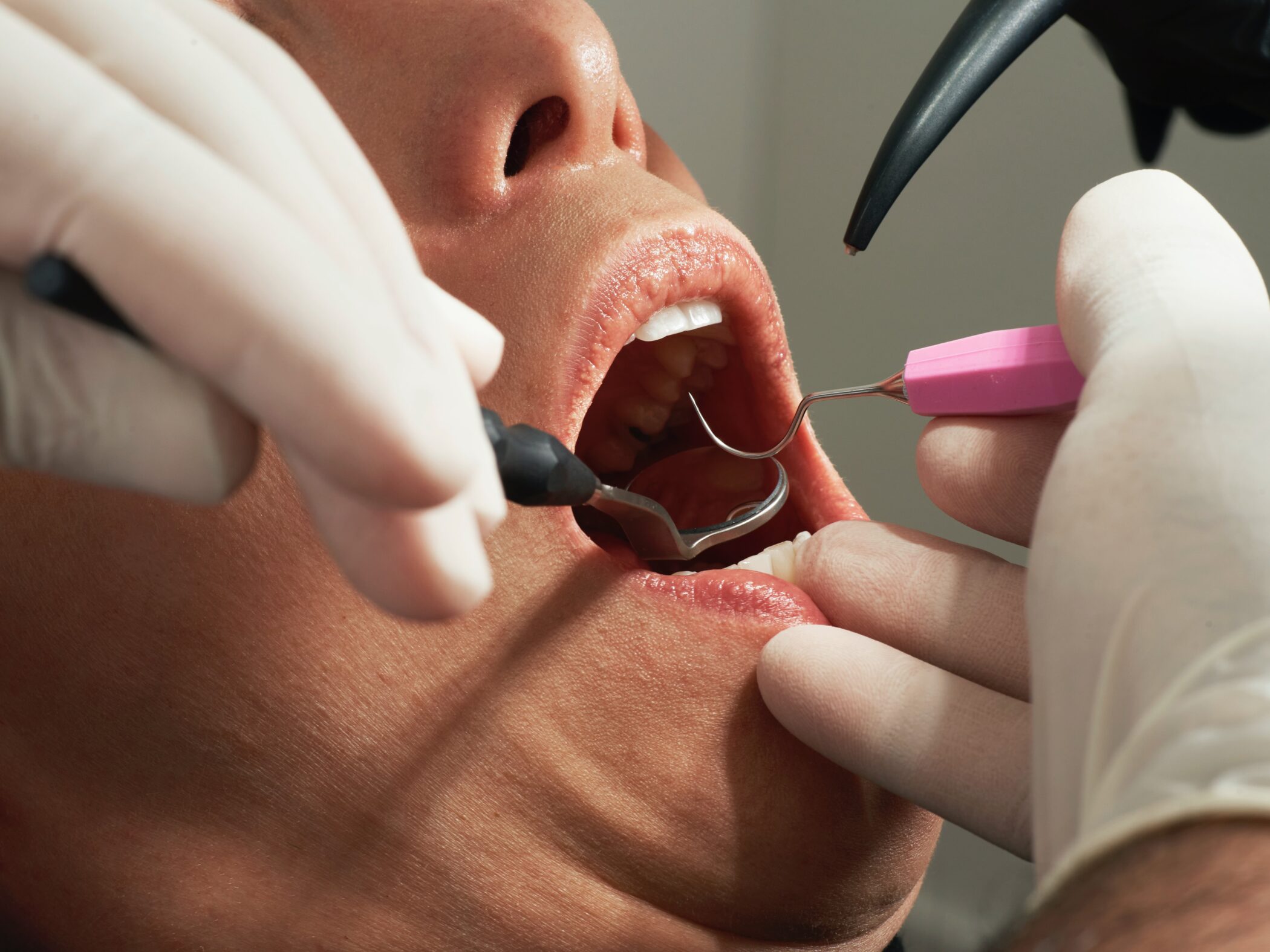 Losing one of your teeth or suffering a break after an accident can be both incredibly painful as well as heavily impactful on your self confidence. Having a prominent gap in your smile can make you worry about your appearance and this in turn can increase feelings of anxiety in social situations. However, there are many different treatments that you can receive to remedy these problems, and we’ve listed the best ones that are used when you’ve lost or broken a tooth.
Dental Bridge If you’ve lost a single tooth, there’s a strong possibility you’ll be fitted with a dental bridge to cover the gap. This is where two crowns are fitted to the teeth adjacent to the gap, and a false tooth is attached to both of these crowns, forming a literal bridge between the teeth. This false tooth in the middle looks indistinguishable from your normal teeth when made of porcelain but sometimes made of metal. If your adjacent teeth are strong and sturdy, there’s also the opportunity for the bridge to be attached to your real teeth with adhesive too.
Dental Implants This is where an implant is fitted into your jawbone, and a false tooth is screwed into that fixture to serve the purpose of a real tooth. These are generally very well made and look very convincing. While these are more expensive than a bridge, the benefits of dental implants far outweigh the negatives. First off, a dental implant is much sturdier and, therefore, generally has a longer lifespan than other treatments. An implant can, in theory, last for the rest of your life, although the crowns themselves may need replacing every 10 to 15 years, depending on how well you look after them. This long lifespan makes the upfront costs much less imposing, although, at the time, this can be quite unpleasant.
Tooth Crowns When you’ve broken a tooth, instead of entirely removing it, a dentist will generally consider filling it or bonding a resin replacement to the tooth if the break is small or covering it with a crown in the case of a large break. Dental Crowns fit over your tooth, or what is left of the tooth, and are often made from enamel or metal like a bridge. Instead of supporting a bridge, however, these crowns are made to hide and protect your real, broken tooth from further damage, as well as reduce the risk of sensitivity and pain.
Sounds like something you’d want to consider? If so, you can look for “dental crowns near me” on the web to find a dentist offering this service.
Partial Dentures If your teeth aren’t strong enough to support a bridge and your funds are relatively limited, there is an option for you to have partial or full dentures fitted around the area of missing teeth. Instead of permanently fixing the teeth via crowns, these clip on and off your real teeth and gums, providing you with false teeth, resembling your real teeth and serving the same purpose. Compared to other solutions, however, they are generally much less comfortable, require regular check-ups and cleaning, and can also cause certain problems with eating and speaking. However, they are much cheaper options and are a very good choice for older people whose teeth and gums have become weakened over time.