The History of the Chocolate Easter Egg (and other Easter Traditions)
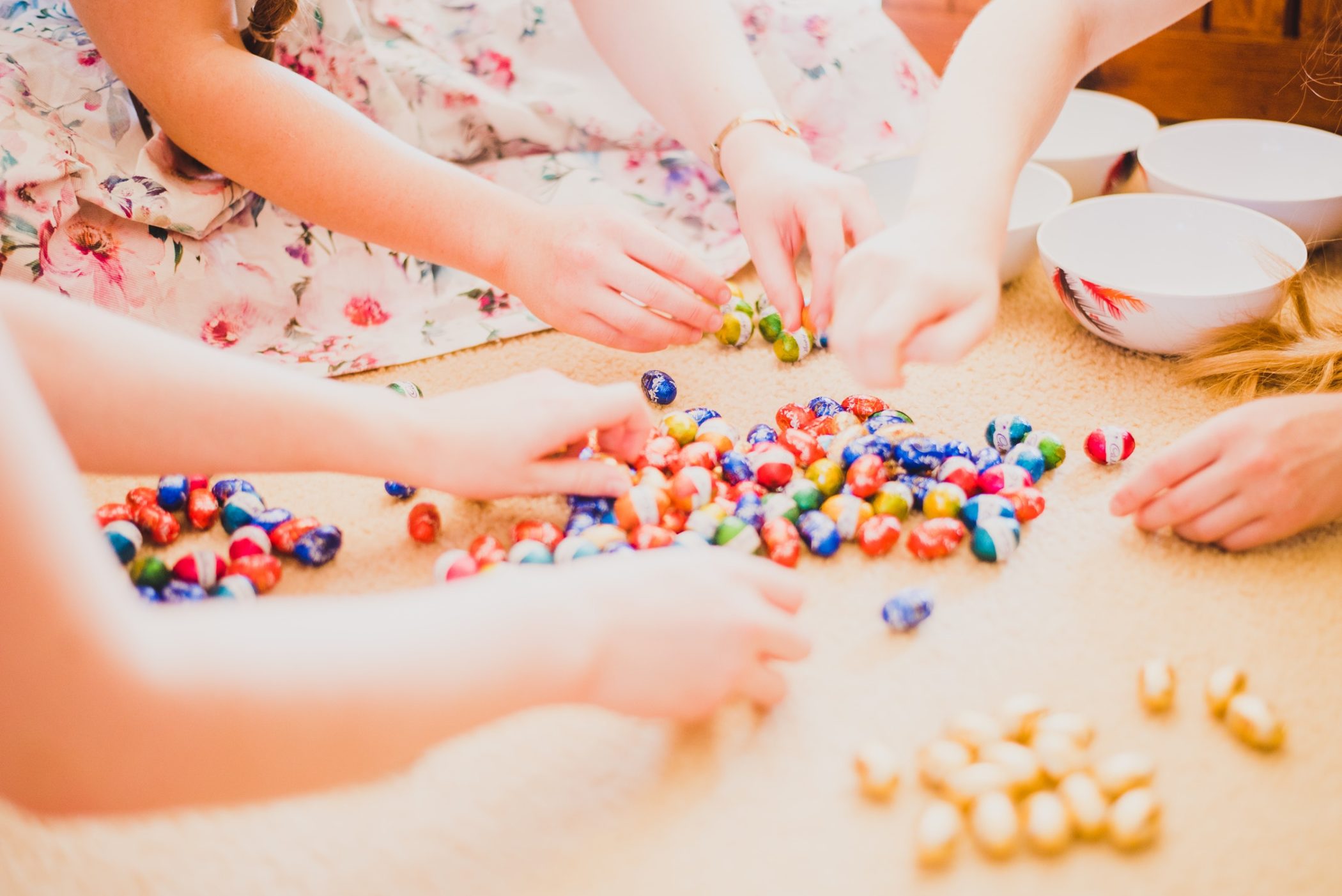
Easter 2019 is fast approaching. Although this is a time to commemorate the resurrection of Jesus Christ in the Christian faith, many of us associate this period with an influx of hot-cross buns, decorated bonnets, fluffy bunnies, and of course, chocolate easter eggs. But where do these traditions come from?
Let’s look at the most popular traditions associated with Easter and work out how they came to be?
The Easter Bunny
Bunny rabbits are well known for their prolific breeding habits, particularly in the springtime when they are especially frisky! As a result of their fertility, they have long been a symbol of new life and the start of spring.
Some historians and religious experts believe the legend of the Easter Bunny originated as a pagan symbol in Germany in around the 18th century, however, this view has many opposers, who believe that the rabbit was one associated with the Virgin Mary, within a Christian context.
The Decorated Easter Egg
The egg has long been a symbol of rebirth and fertility, for obvious reasons. Way before Christianity was even introduced, people decorated eggs with bright colours to celebrate the beginning of spring.
In the 18th century, decorating and Easter crafts became popular throughout Europe among different cultures, with each country taking their own slant on the tradition. Interestingly, the first ever Fabergé egg was made as an Easter gift in 1885 for Empress Marie Fyodorovna of Russia from her husband, Tsar Alexander.
The Chocolate Easter Egg
The first chocolate Easter eggs were introduced in the 19th century, with France and Germany taking a lead in the production. The early-stage eggs were solid in the middle, but chocolatiers later developed a new process of lining moulds by hand, and ultimately creating the hollow egg.
John Cadbury made his first ever Easter egg in 1875, however, production was extremely slow until a mechanised method was invented, enabling the chocolate to flow into the moulds much quicker.
The modern choice of chocolate Easter egg is vast. Dark, milk, white and even vegan chocolate eggs line the shelves each Spring, waiting to be selected as the perfect gift. Animal-shaped, gold-sprinkled and personalised Easter eggs are all popular with the younger generation, with many of us holding competitions to see who can find the most exciting option to share with friends and family!
Hot Cross Buns
The tradition of marking bread with a cross has links to both Paganism as well as Christianity.
According to certain historians, in honour of their Goddess Eostre, Pagan Saxons would bake buns decorated with a cross, as a sign of spring. The cross was said to have symbolised the four quarters of the moon as well as the four seasons of the year. Eostre’s name is also likely to be the origin of the name Easter.
In Christianity, however, crosses were added to the top of bread and buns to symbolise the Crucifixion of Jesus, and this consequently replaced the pagan meaning with a Christian one.
A further theory claims that the hot cross bun was founded in St Albans, by a 14th century monk, Brother Thomas Rodcliffe, who created and distributed a similar version to the local poor every Good Friday.
** This is a guest post **