Storing Cannabis Safely In a Home With Young Children
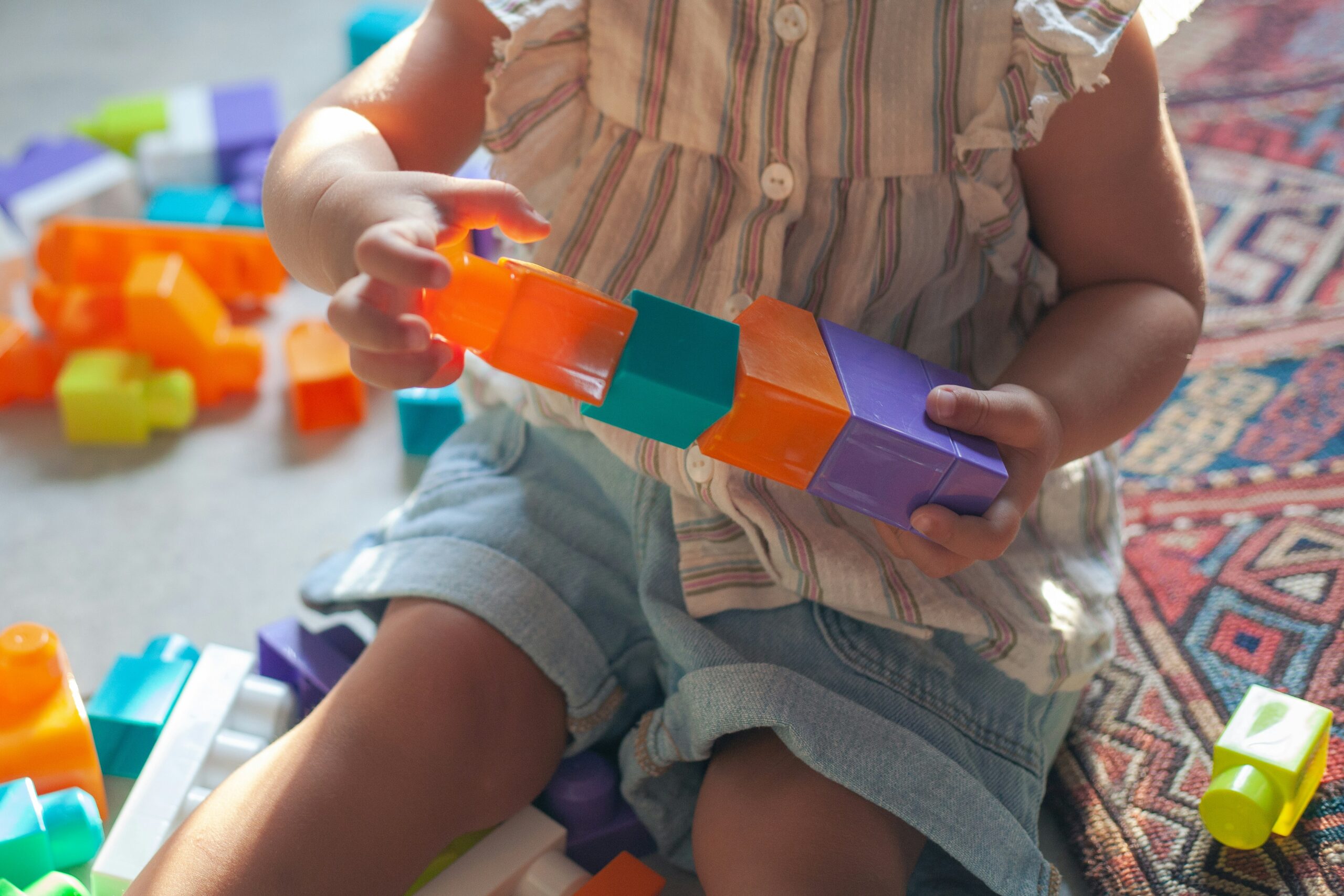
Every parent knows the toddler test. If something is within reach and looks like a treat, it goes straight into a small mouth. Gummies, chocolate and biscuits all pass that test. So do cannabis edibles, which can look almost identical to the sweets children already know.

Cannabis has been legal and regulated for adults across Canada since 2018, though the rules vary by province. Budget listings such as Cheap Ounces Vancouver sell dried flower in 14 and 28 gram bags, so larger amounts now sit in many Canadian homes. That retailer ships within Canada only, and readers here in the UK cannot order, since recreational cannabis remains illegal in the UK. The legal age in Canada is 19 in most provinces, 18 in Alberta and 21 in Quebec.
This piece is for adults only and is not medical advice. It does not encourage anyone to buy or use cannabis. It is about one practical question: how a family home stays safe when an adult in it uses a legal product.
Why Does a Bigger Bag Change the Safety Plan?
A single pre-roll is gone in an evening. An ounce is a much bigger purchase. It is 28 grams, close to the 30 gram limit an adult may carry in public in Canada. At home, that amount can sit in a cupboard for weeks.
More product for longer means more chances for a slip. A bag left on the worktop after a busy school run is all it takes. The habit that protects a family is boring and consistent. Everything goes back into one locked place, every single time.
Budget buying is common in any household, from nappies to pasta. Laura’s readers already know the value of budgeting as a young family. Buying in bulk saves money, but it also means more of a product to store safely.
What Makes Cannabis So Risky for Young Children?
Children are not small adults. THC is the compound in cannabis that causes the high. Lighter bodies feel the same amount of it far more strongly. SickKids explains the risks of cannabis for children in plain terms. A child who eats cannabis may have vomiting, agitation or confusion, and in some cases coma or seizures.
Edibles are the biggest worry. An edible is a food or drink made with cannabis. Many look like familiar sweets, and children cannot read a warning label. Children aged one to three face the highest risk, because they explore the world with their hands and mouths.
Timing adds to the danger. The body has to digest an edible first, which usually takes 30 minutes to two hours. A child can seem fine at teatime and become unwell later in the evening.
How Should Parents Lock It Away?
Storage works best when it is simple enough to follow on a tired Tuesday. Most families find these steps manageable:
- Keep all cannabis in a locked box or cabinet, not just on a high shelf.
- Store it separately from food, drinks, and the snack cupboard.
- Leave products in their original child-resistant packaging until use.
- Keep the key or code somewhere children cannot find it.
- Put products away after every use, even if you plan to use them later.
Think of it the same way you would think about medicines or cleaning sprays. The habits that help you babyproof your home apply here too. Gates, locks, and clear surfaces protect children from more than one hazard at once.
What About Leftovers, Ashes and Packaging?
Northern Health, a public health authority in British Columbia, gives parents a useful reminder here. Its nurses point to the small items that are easy to forget:
- Unfinished joints and pieces of edibles left in ashtrays.
- Ash and residue on balcony tables or garden furniture.
- Empty packets that still smell interesting to a toddler.
- Bags or jars left in coat pockets and handbags.
Dispose of leftovers straight away, and wipe down any surface children can reach. The same nurse’s advice adds one more step. Never use cannabis in any form in front of children.
What Should Visitors and Grandparents Know?
Many accidental cases happen outside the child’s own home. A grandparent’s handbag on the sofa is a classic risk. So is a sleepover at a friend’s house where an adult keeps edibles in the fridge.
A short, friendly conversation helps. Ask relatives who use cannabis to keep it locked away during visits. Mention that edibles must never sit near food. Most people are glad to be asked, because nobody wants to be the cause of an accident.
What Should You Do If a Child Finds Some?
Stay calm and act quickly. Every minute counts, even if the child seems fine. It helps to read British Columbia’s poison prevention and response tips before you ever need them. These steps are the starting point:
- Remove any remaining product from the child’s hands and mouth.
- Keep the packaging so you can say what was eaten and how much.
In a UK home, the numbers are different:
- If the child is very drowsy, struggling to breathe, or having a seizure, call 999 at once.
- For anything less urgent, call NHS 111 for advice on what to do next.
In a Canadian home, use these lines:
- In British Columbia, call the Drug and Poison Information Centre on 1-800-567-8911.
- In Ontario, the Ontario Poison Centre is on 1-800-268-9017.
- If the child is very drowsy, struggling to breathe, or having a seizure, call 911.
Be honest with the people helping you. They are there to treat the child, not to judge the parent.
Frequently Asked Questions
Is a High Shelf Enough to Keep Cannabis Away From Children?
No. Toddlers climb, and older children reach high places easily. A locked box or cabinet is far safer than height alone. Keep it separate from food as well.
Are Edibles More Dangerous Than Dried Flower for Children?
Edibles pose a special risk because they look like sweets. Children may eat several pieces quickly. Any cannabis product can harm a child, so store every form securely.
What Is the Legal Age for Cannabis In Canada?
The legal age is 19 in most provinces, 18 in Alberta and 21 in Quebec. Canada legalized adult use nationally in 2018. Each province then set its own retail and possession rules.
Can Readers In the UK Order From Canadian Dispensaries?
No. Licensed dispensaries in Canada post orders to Canadian addresses only. Recreational cannabis remains illegal in the UK. Always follow the law where you live.