Recognizing Symptoms of Childhood Illnesses: A Parent’s Essential Guide
Key takeaways:
- Early recognition of childhood illness symptoms is crucial for timely care.
- Common symptoms include fever, coughing, vomiting, and rashes.
- Trust your instincts and seek medical advice when needed.
- Stay informed on childhood illnesses and preventive care strategies.
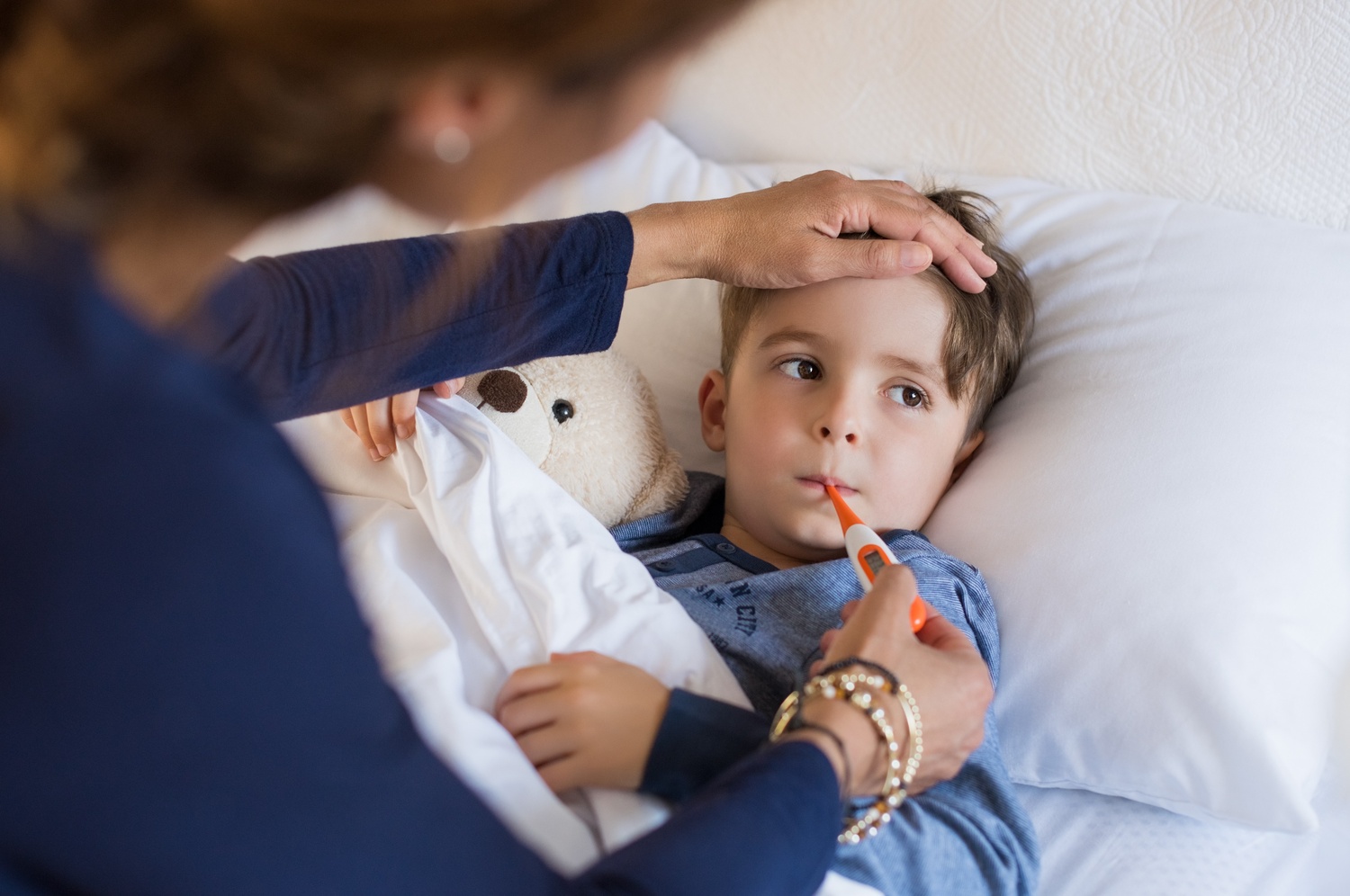 As a parent, understanding the early signs of childhood illnesses can be crucial in safeguarding your child’s health. Children often can’t articulate when something feels wrong, so it falls to parents to be observant and proactive. Recognizing subtle changes can make a significant difference in seeking timely medical care, which can help prevent minor issues from escalating.
This guide aims to equip parents with the essential knowledge to confidently identify common symptoms and take appropriate action. By becoming more informed, you’ll be better prepared to support your child’s well-being, ensuring they get the care they need when they need it most.
Key Symptoms to Watch for in Infants
Infants are especially vulnerable because they can’t communicate their discomfort or pain. Some key symptoms to monitor in babies include excessive crying, changes in feeding and sleeping patterns, and fever, as these can be early indicators of illness.
- Excessive Crying
While crying is a natural way for babies to express hunger, discomfort, or tiredness, excessive crying or inconsolable distress can signal something more serious. If your baby cries for extended periods without an apparent reason—such as after being fed, changed, and comforted—it may be worth investigating further. Colic, infections, or digestive issues could be at play.
- Changes in Feeding and Sleeping Patterns
Sudden changes in how much or how often your baby eats or sleeps can be signs of an underlying health issue. For instance, if a previously healthy baby is suddenly refusing to feed or sleeps significantly more or less than usual, it’s time to pay closer attention. Such changes could indicate anything from teething discomfort to more serious conditions like ear infections or gastroenteritis.
- Fever
A fever in infants should never be ignored. For babies under three months old, any fever above 100.4°F (38°C) warrants immediate medical attention, as it could be a sign of an infection. For older infants, persistent or high fevers are also concerning, especially when accompanied by other symptoms such as a rash, vomiting, or difficulty breathing.
When to Seek Medical Help
While minor changes in behavior or routine are common as infants grow, certain warning signs should prompt a visit to your pediatrician. These include:
- Fever in a baby younger than three months
- Lethargy or extreme difficulty waking the baby
- Signs of dehydration, such as fewer wet diapers or a dry mouth
- Breathing difficulties, including rapid or labored breathing
- Persistent vomiting or diarrhea
By knowing what to look for and when to seek medical help, parents can take an active role in ensuring their infant’s health is monitored and protected at all times.
Symptoms of Respiratory Illnesses
Respiratory illnesses are common in children, but knowing how to recognize the symptoms and differentiate between mild and serious conditions can help parents act quickly and appropriately.
Common Cold, Flu, RSV, and Pneumonia
- Common Cold
The common cold is generally mild, with symptoms such as a runny nose, sneezing, coughing, and mild fever. While a cold can cause discomfort, it usually resolves within a week without complications. Children may experience irritability or reduced appetite, but they typically remain active.
- Flu
The flu tends to come on more suddenly than a cold and is usually accompanied by a high fever, body aches, fatigue, and more severe symptoms. Children with the flu may also have a persistent cough, sore throat, and chills. Unlike the common cold, flu symptoms can last for a week or more, with fatigue sometimes lingering even longer.
- RSV (Respiratory Syncytial Virus)
RSV is a viral infection that can cause cold-like symptoms in older children but can be more serious in infants and toddlers. Symptoms often include coughing, wheezing, difficulty breathing, and fever. RSV can lead to bronchiolitis or pneumonia, particularly in younger children or those with weakened immune systems.
Just4kidshealth.com and other trusted pediatric clinics provide accessible resources to help parents navigate these concerns. Their expert guidance can help parents determine when medical intervention is necessary, making sure your child gets the appropriate care at the right time.
- Pneumonia
Pneumonia is a lung infection that can be caused by bacteria, viruses, or fungi. Symptoms of pneumonia include high fever, coughing, difficulty breathing, and sometimes chest pain. Children may also experience fast, shallow breathing or wheezing. Pneumonia can develop as a complication from another respiratory illness and requires prompt medical treatment.
Mild Respiratory Issues vs. Severe Ones
It’s often difficult to determine whether a respiratory issue is mild or severe, but some guidelines can help. Mild symptoms, like a runny nose or slight cough, typically improve within a few days and don’t cause significant discomfort. However, more serious conditions, such as pneumonia or severe flu, may present with high fevers, lethargy, or signs of breathing distress.
For example, a child with a mild cold might still play and eat normally, even with some coughing or congestion. On the other hand, a child with pneumonia or a severe respiratory infection may be more listless, have trouble breathing, and display worsening symptoms over time.
By staying vigilant, parents can act quickly, whether it’s managing a mild cold at home or seeking medical attention for a more serious issue.
Identifying Digestive and Gastrointestinal Issues
Digestive and gastrointestinal issues are common in children, and while they’re often mild, some symptoms can indicate a more serious problem.
Vomiting, Diarrhea, and Constipation
- Vomiting
Vomiting in children can occur for a variety of reasons, from viral infections like stomach flu to food poisoning or even stress. Occasional vomiting is usually not a cause for concern, especially if it resolves quickly. However, repeated vomiting may lead to dehydration and might be a sign of something more serious, such as a gastrointestinal infection or blockage. If your child is unable to keep fluids down for several hours, it’s time to consult a doctor.
- Diarrhea
Diarrhea is another common issue in children and is often caused by infections, dietary changes, or food intolerances. Viral gastroenteritis, commonly known as the stomach flu, is a frequent culprit. In most cases, diarrhea resolves within a few days, but if it persists, is accompanied by a fever, or includes blood, it may require medical evaluation. Keeping your child hydrated is essential when they have diarrhea, as fluid loss can quickly lead to dehydration.
- Constipation
Constipation can be a frustrating issue for both parents and children. It’s usually caused by dietary factors, such as a lack of fiber or dehydration, but it can also result from changes in routine or stress. If your child is having fewer bowel movements than usual, straining during bowel movements, or passing hard stools, they may be constipated. Ensuring your child drinks enough water and eats a fiber-rich diet can often help alleviate the problem.
Dehydration Symptoms in Children
Dehydration is a common concern when children experience vomiting or diarrhea. Some key symptoms of dehydration include:
- Dry mouth and lips
- Lack of tears when crying
- Sunken eyes
- Decreased urine output (fewer wet diapers or infrequent bathroom visits)
- Lethargy or irritability
If you notice any of these symptoms, it’s essential to encourage your child to drink fluids. Oral rehydration solutions (ORS) can be especially helpful for restoring lost electrolytes. In severe cases, medical attention may be necessary to rehydrate your child through intravenous fluids.
Recognizing Food Intolerances and Allergies
Food intolerances and allergies are increasingly common in children and can lead to digestive issues such as vomiting, diarrhea, or abdominal pain.
- Food Intolerances
Common intolerances include lactose (found in dairy products) and gluten (found in wheat, barley, and rye). Symptoms of food intolerance may include bloating, gas, diarrhea, or stomach cramps after consuming certain foods. If you suspect your child has a food intolerance, keeping a food diary and discussing it with your pediatrician can help identify the culprit.
- Food Allergies
Food allergies, on the other hand, can cause more immediate and severe symptoms, including hives, swelling, difficulty breathing, and digestive issues. The most common allergens in children include milk, eggs, peanuts, and shellfish. If your child has a known food allergy, any exposure to the allergen should be treated as a medical emergency, and epinephrine should be administered if an allergic reaction occurs.
Whether managing a mild case of constipation or addressing more serious concerns, staying informed will help keep your child healthy and comfortable.
Skin Conditions and Rashes
Children often develop skin conditions and rashes that can vary widely in severity.
Different Types of Rashes
- Eczema
Eczema, or atopic dermatitis, is a chronic skin condition characterized by dry, itchy patches that may become red or inflamed. It often appears on the face, arms, and legs of infants and young children. Eczema can flare up due to triggers like certain fabrics, soaps, or environmental allergens. Managing eczema typically involves moisturizing the skin regularly and avoiding known irritants.
- Hives
Hives, also known as urticaria, are raised, itchy welts that can appear suddenly and may vary in size. They often result from an allergic reaction to food, medications, or insect bites, though viral infections can also trigger hives. In most cases, hives resolve on their own within a few hours to days, but if they are accompanied by swelling or difficulty breathing, seek immediate medical help, as this could indicate anaphylaxis.
- Chickenpox
Chickenpox is a viral infection that causes an itchy rash of red spots, which can blister and scab over. Although vaccines have made chickenpox less common, children who do contract it may experience a fever and fatigue along with the rash. The rash typically starts on the torso and spreads outward. Chickenpox is contagious, so keeping your child isolated until all blisters have scabbed over is important.
Identifying Dangerous Rashes
While most rashes are harmless and resolve on their own, some can be signs of serious health issues. One example is a rash linked to meningitis, a life-threatening infection that causes inflammation around the brain and spinal cord. A meningitis rash often starts as small red or purple spots that don’t fade when pressed, and it may spread rapidly. If your child has a high fever, neck stiffness, or extreme lethargy along with a rash, seek emergency medical care immediately.
Another warning sign is a rash that is accompanied by high fever and breathing difficulties, as these could indicate an allergic reaction or a more severe infection.
Tips on Caring for Sensitive Skin in Children
Children’s skin is more delicate and sensitive than adults, so taking extra care is important. Here are a few tips to keep your child’s skin healthy and reduce the risk of rashes:
- Use gentle, fragrance-free products: Harsh soaps, shampoos, and lotions can irritate sensitive skin. Opt for hypoallergenic, fragrance-free products designed for children.
- Moisturize regularly: Especially for children prone to eczema, moisturizing immediately after bathing helps lock in moisture and prevent dry skin.
- Choose soft, breathable fabrics: Avoid scratchy fabrics like wool, which can irritate the skin. Instead, choose soft, breathable materials like cotton.
- Avoid overheating: Overheating can cause heat rash, especially in infants. Dress your child in lightweight clothing and avoid heavy blankets or clothing in warm weather.
Following proper skin care practices and recognizing when to seek medical attention helps ensure that your child’s skin remains healthy and rash-free.
Trusting Your Instincts and Staying Informed
Recognizing the early symptoms of childhood illnesses is vital in ensuring timely care and preventing complications. As a parent, your attentiveness and understanding of your child’s health can make a significant difference. By staying aware of common symptoms and knowing when to seek medical advice, you are better equipped to support your child’s well-being.
It’s also important to trust your instincts. If something feels off with your child’s health, don’t hesitate to reach out to a healthcare professional, even if the symptoms seem minor. Parents often have an intuitive sense when something isn’t right, and acting on that instinct can be crucial.
To continue safeguarding your child’s health, stay informed about common childhood illnesses and keep up to date on vaccination schedules and preventive care. By being proactive, you’ll be better prepared to recognize signs of illness and ensure your child gets the care they need for a healthy and happy life.