
How To Take Correct Care Of Your Eyes And Which Tools To Use
Our eyes are one of the most important parts of our bodies. Without them, we’d quite literally be lost! Though many people can and do adapt to life without their vision, for those of us with it, we’d probably like to keep it.
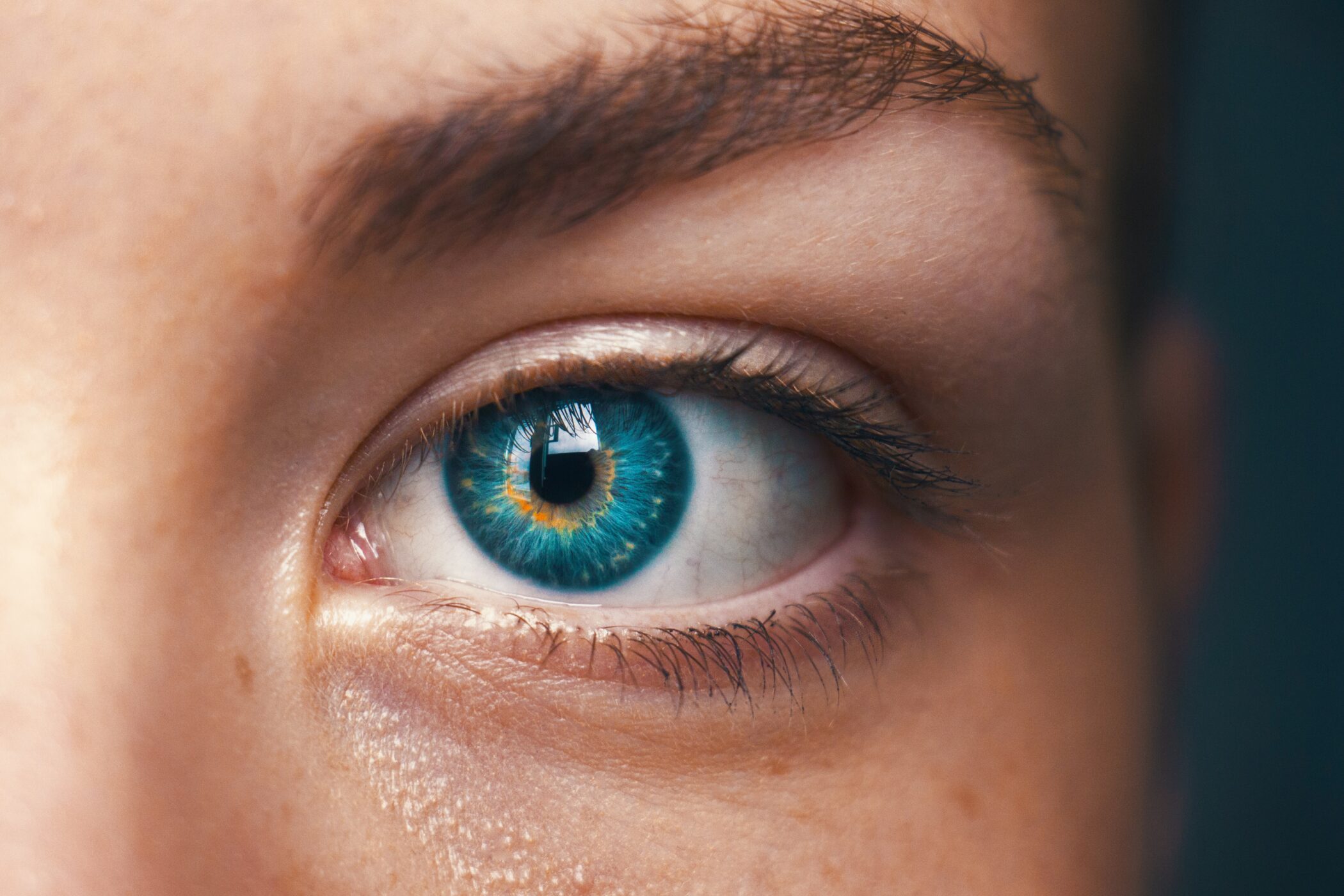 The issue is that many of us take our vision for granted. We don’t particularly think or worry about eye care. Taking correct care of your eyes is very important, though. Read through the tips below for how to take correct care of your eyes and make sure you are looking after your eyes properly, keeping your eyes healthy and your vision intact for the long term.
Be Careful With Medications
This advice applies to taking any medication. Always make sure you talk through a medication choice with your doctor and always read the potential side effects. Unfortunately, sometimes there are adverse effects associated with prescription medications. For example, many people suffered Elmiron side effects leading to damaged eyes and vision problems. This particular drug has led to a series of lawsuits regarding its safety and side effects. The simple message is: make sure you know what you are taking into your body. Always read the label and discuss it with a professional. Do a bit of research and make sure you’re not taking any meds that could permanently damage your eyes.
Get Your Eyes Tested
One of the most simple and effective things you can do to protect your vision is to go for regular eye tests. There are two types of eye tests. Firstly, an optometrist can check your vision by assigning you a series of reading tasks while looking through various lenses. They’ll also measure the shape and strength of your eyes. They will be able to tell how strong your vision is and therefore prescribe the right glasses or contacts to help your vision remain strong – if needed.
A more detailed eye test will involve an optometrist or eye doctor will take a look at your eye through various lenses and scans. In these tests, they can look for signs of macular degeneration, cataracts, and many other common eye conditions. Catching these early can make treatment options far easier, giving you much better long-term options for maintaining your vision and eye health.
Wear Sunglasses / Protective Glasse
We all know that bright sunlight hurts our eyes. Most of us know that direct sunlight is bad for our vision. Whenever you are outside in the sun for extended periods of time, you should be sure to wear sunglasses that offer proper UV protection. These glasses will be clearly marked with a UV rating, allowing you to tell which glasses actually protect from UV and which don’t. Sunglasses that just create some shade on your eyes aren’t actually doing all that much protection.
When it comes to protective eyewear, this is essential in many sports and workplaces. When cycling at high speeds, for example, most people opt to wear clear protective glasses to avoid debris and dust hitting their eyes. It is for the exact same reason that many construction workers, carpenters, and laborers wear them, too. For those who require vision correction, investing in osha prescription safety glasses ensures both eye protection and clear sight, making them a crucial addition to workplace safety gear. These glasses not only meet safety regulations but also provide durability and comfort, making them ideal for long hours on the job.
Eat A Balanced Diet
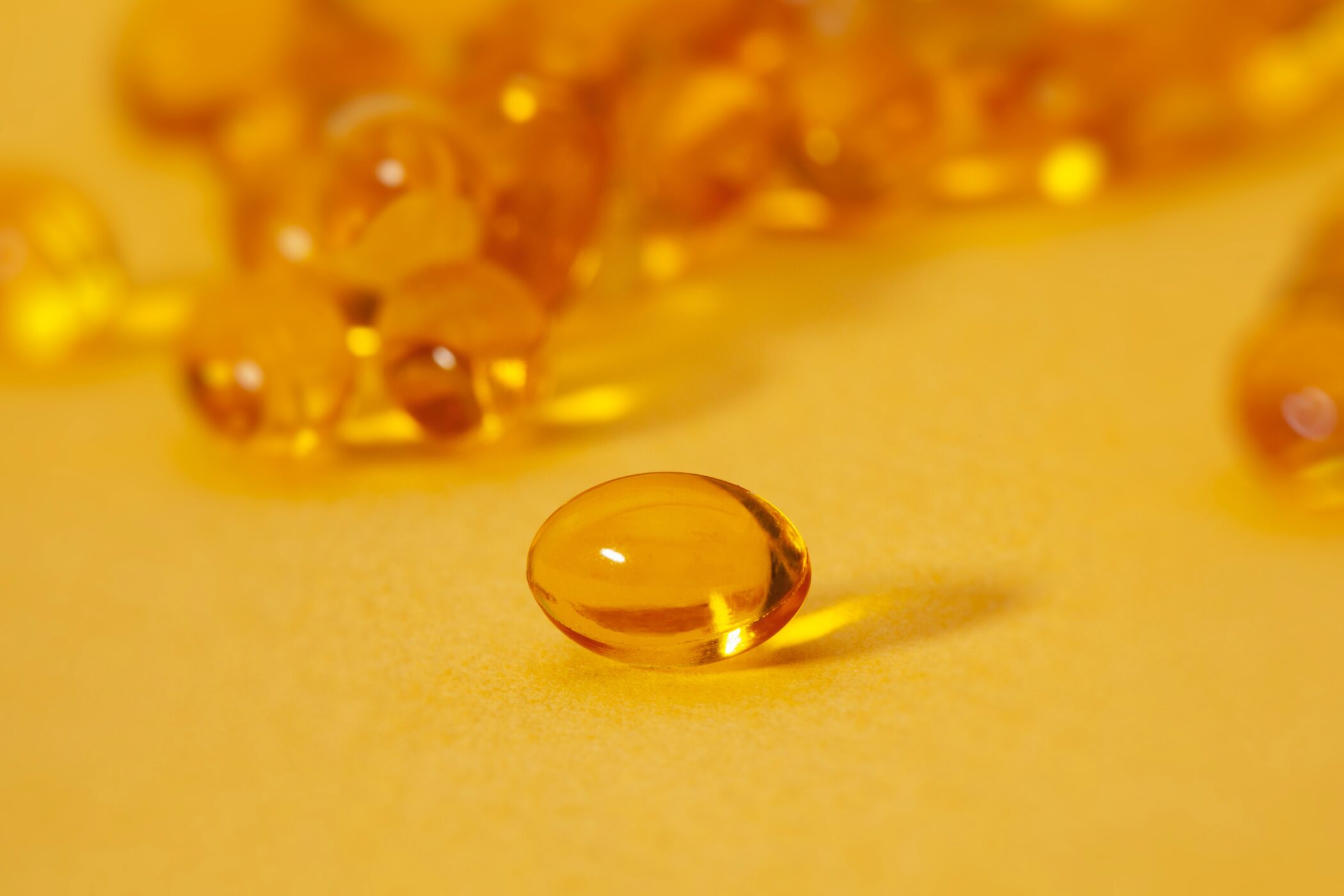
As with most physical issues, diet can play a huge part. After all, whatever we put into our body is all it has to use for strength, healing, and growing. When it comes to your eyes, the best thing you can do is eat plenty of green cruciferous vegetables and some good omega 3 fats. You can get omega 3s from oily fish such as tuna and salmon, or from plant-based algae supplements. Throw in plenty of kale, broccoli, and spinach and you’re starting to form a lovely healthy diet for your eyes.
Exercise And Weight
On the same subject, it is also important to keep yourself in pretty good shape. Overweight or obese people have a higher chance of developing eye diseases through diabetes, so keeping yourself at a healthy weight is very important. Exercising regularly is also good for your eyes – as well as the rest of your body. Exercise helps to prevent diabetes and keep blood pressure low, both great ways of avoiding developing eye conditions or vision problems.
These simple tips will help you maintain healthy eyes and vision for the rest of your life. Of course, we can’t always predict the future or whatever illnesses we may get, but we can categorically say that doing all of these things will help keep your eyes in good shape for as long as possible. Start looking after your eyes today – you won’t regret it!


For those people who has bad eye sights and wears glasses, I relate to your problems xD. I want to improve my eye sight but I can’t resist my phone and my laptop.