Rawhide for Dogs: A Simple Guide For Fur Parents
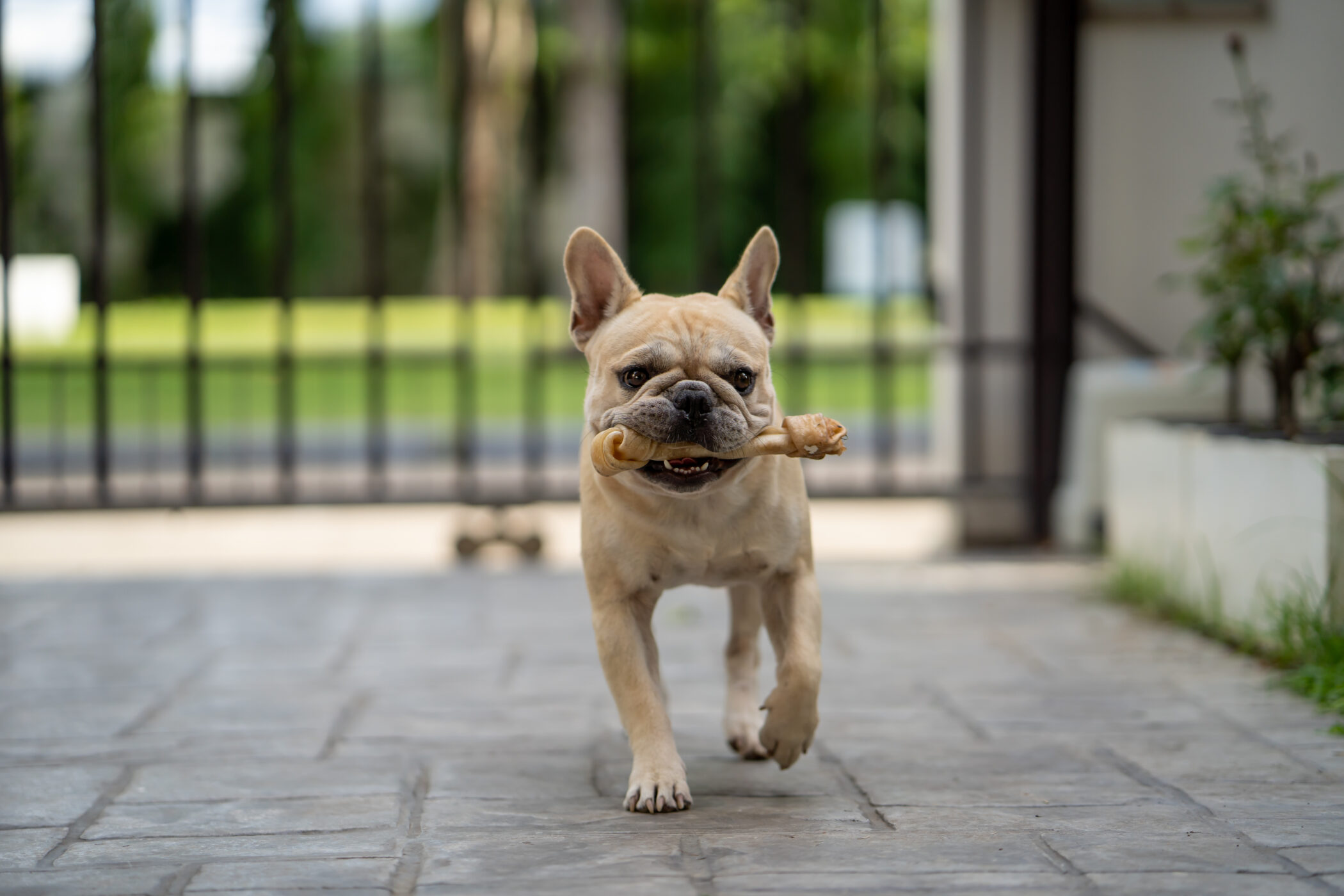 Chewing is an essential activity for all dogs. Chewing on things helps to keep your dog engaged and it also known to have a relaxing effect on dogs that are feeling tense or anxsious. When dogs chew on something, their jaws also get some exercise, and some materials even clean up the teeth as they dig into the material. This is why giving your pet dog a chew treat is highly recommended.
Deciding on the best chew treat for your dog can be difficult task, especially since there are so many different options out there. Rawhide chews are always a popular choice, but does feeding your dog rawhide treats have any downsides? Here’s a simple guide for all fur parents who want to try this treat for their pet dogs.
What Is Rawhide?
The term ‘rawhide’ refers to an animal’s untanned hide. Animal hide is made of two layers, and rawhide chews for dogs are typically made from the inner layer of the hide. In contrast, the outer layer is often tanned and used for fashion items like shoes and handbags. Most rawhide chews are made of beef cowhide. However, pork and buffalo skin can also be used as rawhide for dogs.
The Drawbacks of Rawhide
Keeping your dog’s teeth and breath clean is simpler when they have natural chews to remove food and germs from between their teeth. Dog rawhide has long been hailed as the best dental chew for cleaning your dog’s teeth, but questions have been raised about the safety of this traditional treat.
The size of the rawhide you select is also critical. If the rawhide is too big, it might cause chipping and injury to the dog’s jaw and teeth. On the other hand, if the rawhide is too small, then there’s a risk that the dog could end up choking on it. That said, you have to be sure that the dog can comfortably bite down on the chew toy but big enough that it won’t get swallowed whole.
It’s important to note that the animal hide used to make rawhide chews for dogs are treated with lime and other chemicals. If not adequately washed, the remaining chemicals could pose a health risk to your dog. Even dyeing rawhide items with food coloring or other similar substances may induce gastric discomfort, especially in dogs with sensitive stomachs, resulting in vomiting, diarrhea, reduced appetite, or a combination of these symptoms.
Salmonella contamination is also a significant issue with this product. If you come into touch with the chew, you also put yourself and your dogs in danger. Rawhide was the subject of six significant recalls by the FDA between 2008 and 2011 because of salmonella contamination and illness.

Depending on the dog and the chew, rawhide digestibility might vary. Rawhides are notoriously difficult to digest, which is why swallowing huge quantities of rawhide can cause intestinal blockage for your dog.
High-quality rawhide chews are designed to break into smaller pieces over time, making it safer for your dog. If the remaining rawhide is small enough for your dog to be able to swallow it whole, it’s safer to get dispose of the chew treat. This is especially true for dogs who tend to chew hard, as they’re more likely to swallow larger chunks. On the other hand, dogs that take their time and don’t ingest huge chunks of rawhides should have no stomach issues.
It’s also possible to get rawhide substitutes that look and feel like conventional rawhide. Even though they don’t last as long, more digestible rawhide alternatives like those made with rice bran or quinoa maybe a better option for dogs with digestive concerns.
Takeaway
Your dog’s size, and chewing habits have a big effect on whether or not you should give it rawhide chews. That said, you should make an informed decision about whether you want to spend more money on high-quality chews for your dog or consult a veterinarian to see if there are better chew treat alternatives given your dog’s needs.
Even though most dogs could safely enjoy chewing on rawhide, you should never leave them unatendded when they are doing so even if the rawhide chew is appropriate for their size. This way, you will be able to get the chew treat out of your dog’s mouth before it has a chance to accidentally swallow a big chunk. This will also let you supervise your dog to ensure that it is not chewing anything else other than the rawhide chew treat.