Protruding Teeth: What Are the Causes?
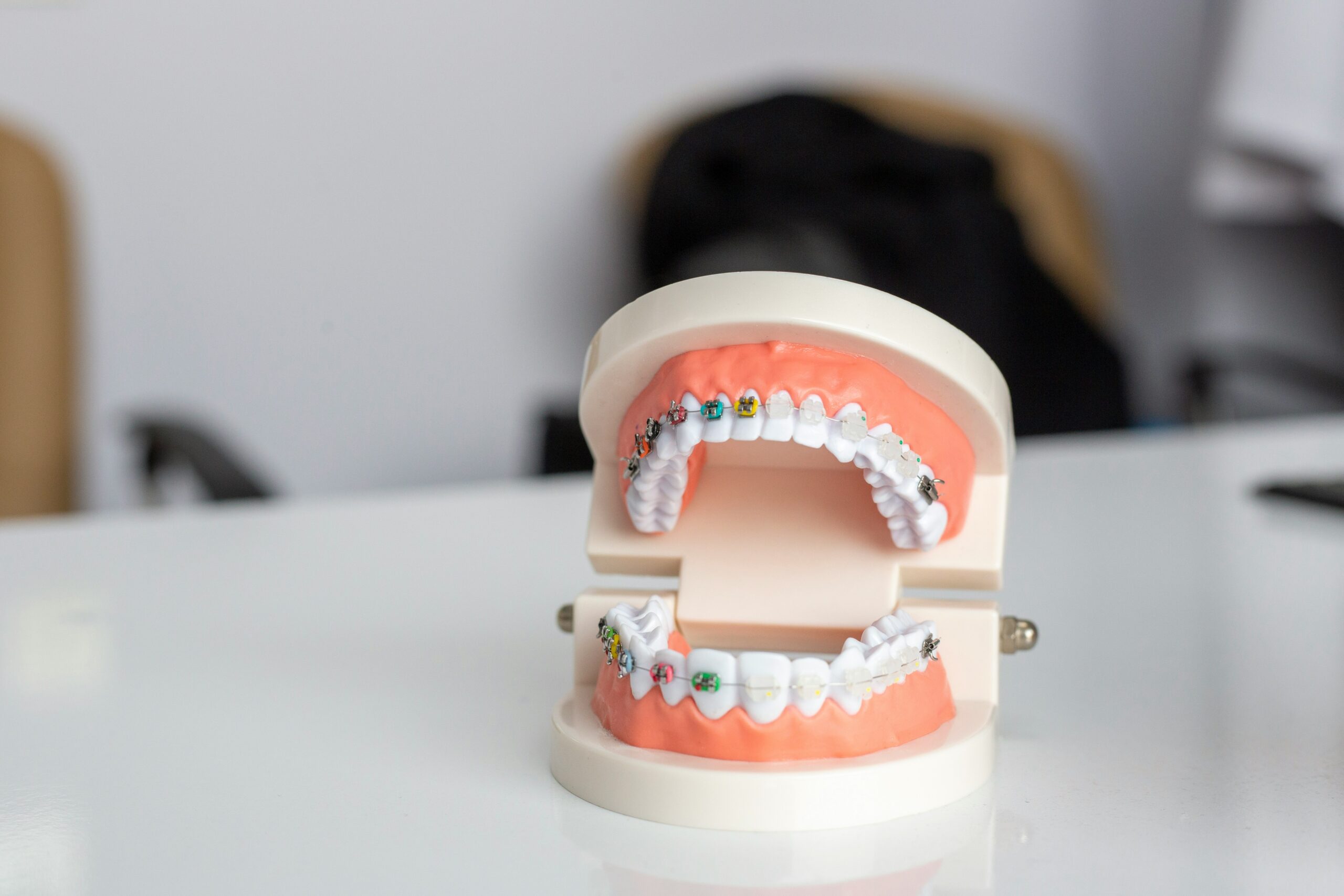 Protruding teeth or overjet, affect both function and appearance of teeth. This seemingly minor problem could cause speech issues, difficulty in chewing, and tooth damage. Some patients with protruding teeth experience jaw pain or self-consciousness, especially in public.
But what really makes teeth protrude? There are a number of factors, both hereditary and childhood habits that could lead to protruding teeth. Patients who notice this problem early and start treatment can prevent long-term problems.
Orthodontic procedures like braces and retainers can help to correct protruding teeth for functional and cosmetic reasons. However, patients need to understand the causes of protruding teeth for better management and overall well-being. This article shares the leading causes of protruding teeth.
Genetics
As geographical characteristics vary by location, dental characteristics also vary from individual to another due to genetics. Genetics play a major role in jaw development and teeth alignment. So, some people naturally have protruding teeth because of differences in jaw size and shape from their parents.
If one or both parent have an overjet, their children are most likely to inherit this quality. Genetic factors also play a role in the size of teeth in comparison to the jaw. Sometimes teeth overcrowd and push some forward to protrude.
Certain ethnicities also have certain dental characteristics. Others are more likely to have overbites or spacing issues depending on inherited jaw positioning. Although genes are unchangeable, orthodontic treatments can correct hereditary-based protrusive teeth.
The affected person can visit a reputable dentist in sandy utah can assess genetic influence and recommend personalized solutions. They can use braces or clear aligners for optimal positioning. However, people who are genetically likely to develop protruding teeth should seek treatment early for better results in the long term.
Thumb Sucking
Thumb sucking is common in infants and young children because it is a natural reflex of security and comfort. Extended thumb sucking, however, can lead to teeth misalignment and protruding teeth. If the child sucks their thumb repeatedly, they apply pressure on the growing teeth and jaw, altering the natural alignment of their teeth.
With time, the front teeth of the upper jaw will begin to move forward, and the lower teeth can be pushed back. The habit gradually leads to an overjet that both affects function as well as aesthetics.
The severity of the dental changes depends on the frequency and force of thumb sucking. Children who suck harder or who continue the habit beyond the age of five are most likely to have protruding teeth. The earlier the habit is treated, the higher the possibility of not having permanent protruding teeth. Therefore, a dentist can help kids break the habit using positive reinforcement techniques and orthodontic appliances that discourage the habit.
Thrusting the Tongue
Tongue thrusting is when the tongue protrudes forward against the front teeth when swallowing, speaking, or at rest. With each protrusion, the teeth gradually move forward and form an overjet.
So, what causes tongue thrusting? The problem can be caused by abnormal swallowing patterns, large tonsils, habits, or other muscular imbalances within the mouth. It usually occurs in children but will persist into adulthood if not remedied.
This condition often causes speech difficulty, such as lisping, due to the altered position of the tongue. It may also cause abnormal bite and unwanted spaces between the teeth. Early intervention can prevent severe misalignment.
Speech therapy and myofunctional exercises are effective methods of ensuring the tongue takes the appropriate resting position. A dentist may recommend orthodontic treatment or habit-breaking appliances to reduce the impact of tongue thrusting and promote normal dental alignment.
Breathing Through the Mouth
Mouth breathing, due to nasal congestion, allergy, or anatomical issues, also significantly impacts the growth of teeth. When breathing through the mouth, the tongue does not touch the roof of the mouth. Lack of tongue support results in poor jaw growth. This leads to constricted top jaw and forward teeth.
Breathing through the mouth can result in long-term facial structure changes, including long faces and underdeveloped jaws. An overjet or open bite is more common in constant mouth-breathing children.
So, mouth breathing can be prevented by treating and identifying the reasons for mouth breathing. A dentist can work with other medical professionals to determine whether allergies enlarged adenoids are causing mouth breathing. Orthodontic treatment and breathing exercises can improve oral posture and teeth alignment.
Jaw Misalignment (Malocclusion)
Misalignment of the jaws or malocclusion occurs when the lower and upper jaws do not align properly. The misalignment normally results in buck teeth, overbites, or under-bites. Malocclusion is usually associated with genetic factors, habits developed in childhood, or irregular growth of the jaw. If the lower jaw is underdeveloped or set back too far, the upper front teeth are more prominent.
In severe cases, malocclusion affects speech, masticatory function, and overall facial structure. The common symptoms of misalignment include jaw soreness or pain. Treatment can range from retainers to braces to jaw corrective surgery depending on severity. A dentist can diagnose jaw alignment problems and recommend corrections to establish a good, balanced bite.
Premature Loss of Primary Teeth
Baby teeth also act as vital placeholders for the permanent teeth to direct the permanent teeth into place. When the child loses the baby teeth prematurely because of decay, trauma, or extraction, the teeth next to the gap may shift into the gap. As a result, the incoming permanent teeth are pushed, causing protrusion to increase.
Spaces created by premature loss of teeth can lead to crowding, overjet, or faulty bite patterns. In some cases, orthodontic spacers may be necessary to maintain correct spacing until the permanent tooth erupts.
Regular dental check-ups help to track tooth development and prevent complications due to premature tooth loss. A dentist can provide preventive treatment and early interventions that can minimize the risk of having protruding teeth.
People with protruding teeth should learn the causes of the problem to prevent and adopt the right treat on time. Professional guidance and early treatment can correct protruding teeth and improve oral health. Therefore, people with this problem should visit a dentist for examination and timely intervention.