Playtime Reimagined: How to Choose Toys That Capture Your Child’s Imagination
In today’s fast-paced world, parents are always on the lookout for ways to ensure their children grow up healthy, happy, and intellectually stimulated. Playtime is not just a break from routine; it is an essential part of child development, offering countless opportunities for learning, creativity, and self-expression. The right toys can make all the difference, helping to nurture a child’s imagination and enhance their cognitive, emotional, and physical growth.
When it comes to choosing toys for toddlers or selecting those that align with specific learning philosophies, such as Montessori, the decision can often feel overwhelming. With so many options available, how do you know what will best spark your child’s imagination and contribute to their development?
This article aims to provide guidance on how to select toys that not only entertain but also engage, educate, and inspire creativity in children, with a particular focus on toys for toddlers and the benefits of Montessori climbing toys.

The Power of Imagination in Play
Imagination is the cornerstone of childhood development. It is through imaginative play that toddlers begin to explore the world around them, develop problem-solving skills, and learn about relationships, emotions, and environments. The beauty of imaginative play is that it doesn’t require advanced technology or expensive equipment – it can be sparked by something as simple as a dollhouse, a set of building blocks, or even an empty box.
For toddlers, play is primarily a means of self-expression and exploration. The toys they interact with should offer an opportunity for them to engage in creative, independent thinking. The best toys don’t dictate how children should play; instead, they encourage exploration and free thinking.
How to Choose the Right Toys for Toddlers
When choosing toys for toddlers, it is essential to think about the developmental milestones typical for this age group. A toddler’s primary needs include physical, cognitive, and emotional development, which can be supported with carefully selected toys that are both fun and educational. Here are some key factors to consider:
1. Safety First
For toddlers, safety is always the top priority. At this stage, children are still developing their motor skills and tend to explore the world by touching, tasting, and throwing things. Ensure that toys are made from non-toxic materials and are free from small parts that pose a choking hazard.
2. Encouraging Exploration
Toddlers are naturally curious and love to explore their environment. Toys that allow them to experiment with different shapes, textures, and sounds can significantly enhance their sensory development. Wooden toys, textured balls, stacking rings, and sensory boards can help toddlers engage their senses and build early skills such as hand-eye coordination and fine motor development.
3. Fostering Independence
Toys that encourage independent play are crucial for toddlers. Building blocks, puzzles, and interactive toys that require problem-solving are excellent choices. They help children develop concentration, hand-eye coordination, and spatial awareness. For example, simple stacking toys or shape sorters not only entertain but also allow toddlers to figure out how things fit together, promoting their problem-solving abilities.
4. Open-Ended Toys
Open-ended toys are versatile and encourage creative thinking. Unlike toys with a fixed function, such as a remote-controlled car or a pre-programmed robot, open-ended toys can be used in a variety of ways. Building sets, dolls, and even craft kits allow children to create their own stories, roles, and scenarios. These types of toys spark the imagination, promoting creativity and problem-solving. Toys that grow with the child, such as construction sets and art supplies, are ideal for fostering long-term creative play.
Montessori Climbing Toys: A New Dimension of Play
One of the most popular educational methods for early childhood development is the Montessori approach, which focuses on self-directed learning and hands-on experiences. Montessori toys are designed to help children learn through exploration, discovery, and interaction with their environment. They encourage curiosity and foster independence, allowing children to learn at their own pace and develop a love for learning.
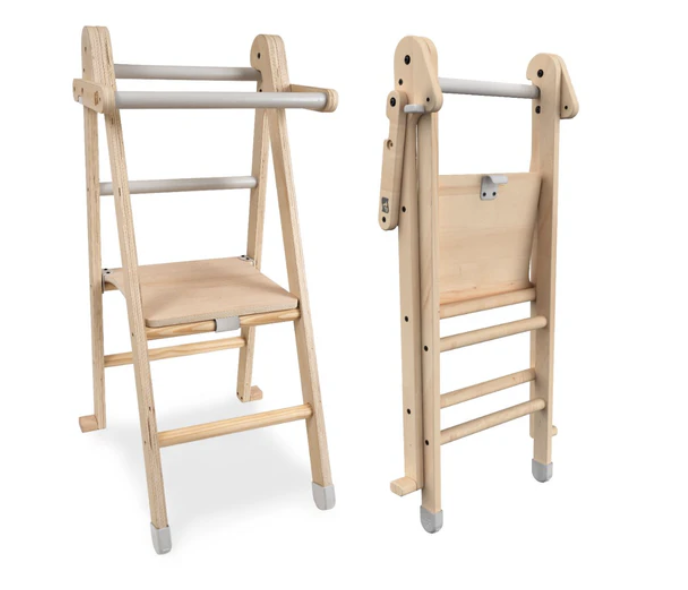
Montessori climbing toys, in particular, have gained increasing popularity in recent years due to their physical and cognitive benefits. These toys are designed to help toddlers develop balance, coordination, and strength while engaging in imaginative play. A classic example of a Montessori climbing toy is the Pikler Triangle, a wooden climbing frame that encourages toddlers to climb, crawl, and explore their physical limits. These types of toys offer a healthy outlet for physical activity and help toddlers build confidence in their abilities.
Why Montessori Climbing Toys Are Beneficial
Montessori climbing toys are not only fun but also serve a variety of developmental purposes:
- Physical Development: Climbing is a fantastic way for toddlers to improve their motor skills, strength, and coordination. It also helps to develop spatial awareness, as children learn to judge distances and heights while navigating climbing frames.
- Encouraging Problem-Solving: Climbing toys often require children to figure out how to manoeuvre their bodies to reach different levels. This process encourages independent thinking and problem-solving, key components of cognitive development.
- Boosting Confidence and Independence: Successfully climbing and conquering a climbing toy gives toddlers a sense of accomplishment. These toys are designed to be manageable yet challenging, so children can feel a sense of mastery and pride as they improve their skills.
- Promoting Social Interaction: When used in a group setting, Montessori climbing toys can encourage social interaction as toddlers learn to share, take turns, and play together. This helps to develop essential social skills like cooperation and empathy.
- Supporting Creativity: Montessori climbing toys are often simple and open-ended, allowing children to use their imagination and creativity while playing. The climbing frame can become a mountain, a castle, or a pirate ship, depending on the child’s imagination.
Other Toys to Capture Your Child’s Imagination
While Montessori climbing toys are a great choice for promoting physical and imaginative play, there are numerous other toys that can spark your toddler’s creativity. Here are a few additional recommendations:
1. Building Blocks
Building blocks are timeless, and for good reason. These simple yet versatile toys allow toddlers to experiment with construction, balance, and spatial reasoning. Whether they are stacking towers or creating complex structures, building blocks encourage imaginative play and provide endless opportunities for learning.
2. Dolls and Action Figures
Dolls, action figures, and figurines of animals or people allow toddlers to role-play and act out stories. This type of play fosters emotional development, as children learn to express their feelings and practice empathy through the scenarios they create.
3. Art Supplies
Crayons, markers, paint, and playdough are excellent for stimulating creativity. Encouraging toddlers to draw, colour, and create gives them the opportunity to express themselves artistically while honing fine motor skills.
4. Pretend Play Sets
Pretend play toys, such as kitchen sets, toolkits, and doctor’s kits, allow toddlers to role-play real-world situations. This not only sparks imagination but also helps children understand the world around them and develop important social skills like sharing and communication.
Conclusion
Choosing the right toys for toddlers is an exciting yet crucial task that can significantly impact their development. The best toys encourage creativity, foster problem-solving, and provide opportunities for physical activity. Montessori climbing toys are particularly beneficial, offering a unique way to support both physical and cognitive development while allowing children to engage in imaginative play. Ultimately, the goal is to provide toys that stimulate curiosity, nurture creativity, and help toddlers develop into confident, independent individuals with a love for learning. Playtime truly is a magical opportunity for growth – it’s up to us to help make it meaningful.