
Planning to Get a Pet Reptile? Here’s What to Keep in Mind
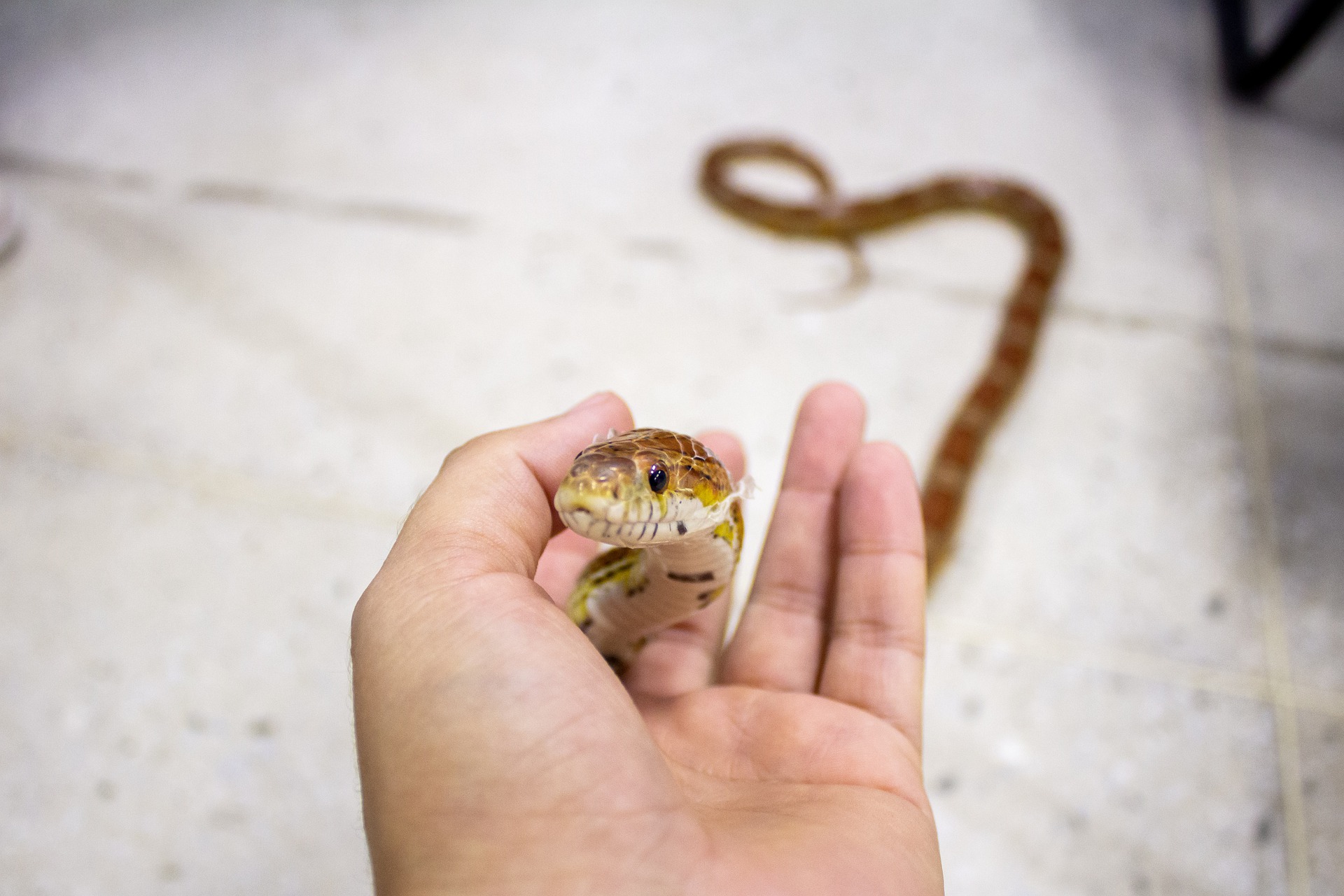 Did you ever think of adopting a pet reptile? If yes, what is stopping you? Once considered a bizarre idea, the notion of adopting a reptile as a pet is becoming common today. There are several benefits of adopting reptiles as pets, one of which is that they are low maintenance. Just give them a proper setting, and they are on their own. Most reptiles have minimum food demands, and they take up very little space. The three most common reptiles adopted as pets by enthusiasts include snakes, lizards, and turtles.
Here is what you should know before getting a pet reptile based on your preference.
Snakes
Snakes are an uncommon choice for reptile pets. While some are afraid of the reptile, others do not wish to keep their pets enclosed all the time. Popular choices of snake breeds include ball pythons and Corn snakes.
Habitat
To accommodate snakes in your house, you will need a transparent glass cage with a secure lid to prevent them from escaping. The temperature range and level of humidity vary according to species. For a safer bet, ensure both cool and hot spots within the cage. A terrarium with a canopy is an excellent choice. Make sure whether your snake requires ultraviolet light or not.
Food and Nutrition
The dietary requirements of snakes can be a bit challenging for most owners. Since snakes prey on mice, frogs, birds, and fish, you may have to arrange a dead rat every once in a while to feed your snake. The type of food needed by your pet snake also depends on its breed. You can consult your vet or the pet store owner in case of ambiguity.
Basic Care
Your pet snake will shed skin once every month. While they take care of the process on their own, they may need help at times. For adequate, timely, and regular shedding, make sure that the temperature and humidity are optimum. If you provide a big cage with elements to slither on like barks and branches, your pet snake will take care of exercise on its own.
Lizards
 An increasing number of pet enthusiasts are adopting lizards as pets, some of which include leopard geckos, iguana, and bearded dragons.
Habitat
You can either buy a terrarium or turn an old aquarium into one. The reptile reviews at Reptile.Guide recommend customizing the cage based on the type of lizard you get. Add elements for them to bask and hide. Make sure that the cage is secured and is covered with a tight lid as lizards can escape with ease.
Food and Nutrition
Most lizards feed on insects. Depending on the type of lizard you adopt, you may need to feed them with a variety of waxworms, crickets, mealworms, etc. Certain lizards also feed on vegetables and fruits. Research more about the type of lizard you own and feed them accordingly.
Basic Care
You can take your pet lizard out occasionally to bond with them. However, make sure that they do not crawl away. Some lizards may need additional heat inside their cages and they must be exposed to UVA and UVB lighting.
Turtles
When it comes to choosing a reptile as a pet, turtles are the most common choice.
Habitat
Aquatic turtles, which are also the most common type, must be kept in an aquarium with larger fish. Make sure that the aquarium water is cleaned and filtered regularly. Ensure adequate heating and lighting to provide an optimum living temperature for your turtle. Since most turtles live in a semi-aquatic habitat, you can add a platform above your aquarium where your turtle can climb and rest safely.
Food and Nutrition
Buy turtle food that is commercially sold in most pet stores and follow the feeding instructions on the label. Pay attention to the amount of food you are giving to your turtle. In some cases, giving mealworms and crickets is also advised. At times, dark leafy vegetables like mustard greens and kale can also be served. Take advice from your vet to learn more about feeding your pet turtle.
Basic Care
Once you bring your turtle home, let them get familiar with their surroundings for a few days until they settle. When petting your turtle, do not lift it by its legs. Hold them gently at the midsection. Make sure that your hands are washed before and after petting your turtle. Most importantly, take your turtle to the vet for regular checkups.
Whether you get a turtle, snake, or reptile, you must ensure that their habitat and food needs are taken care of. Adopting reptiles as pets is quite uncommon but it is gaining traction with time. If you wish to adopt a reptile as a pet, now is the right time.






I wonder if reptiles could be really petted. Because they do not show loyalty or affection as a dog or a cat would do. Keeping them like a show piece in a glass cage does not inspire me much.